
How to Spot Unnecessary Markups on Third-Party Rental Equipment
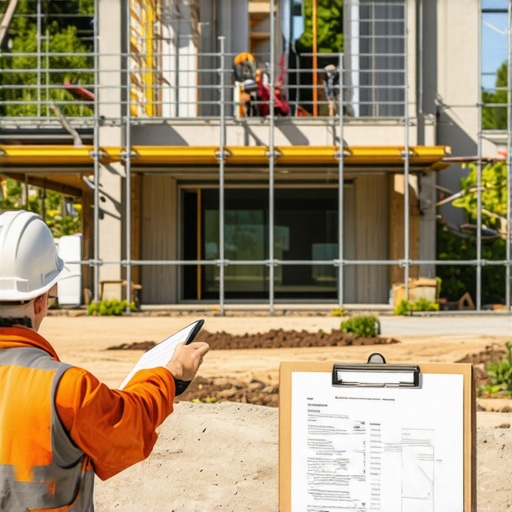
I remember the moment it hit me like a thunderclap. I was handed the bill for a rental equipment suddenly marked up by nearly 50%. My first instinct was to accept it—after all, I didn’t want to rock the boat or delay my project. But a gut feeling told me to dig deeper. That experience was my lightbulb moment—realizing how easy it is for unnecessary markups to silently inflate project costs and drain your budget. Since then, I’ve become pretty good at spotting these sneaky charges before they bite me back.
The Hidden Cost Of Rental Markups
During my early days of tackling home additions and renovations, I often relied on third-party rental companies for equipment. Like many, I assumed the prices were straightforward. But I soon discovered that some providers add hefty markups—sometimes up to 30-50%—without clear explanation. These markups might seem small at first glance, but they pile up quickly, turning what should be a simple rental into an unexpectedly expensive line item. This revelation was eye-opening and, honestly, a little frustrating. It made me realize that if I didn’t approach these rentals with a keen eye, I would keep losing money to these hidden charges.
One common mistake I made early on was not requesting a detailed invoice or breaking down the costs. Instead, I trusted the initial quote and signed on the dotted line. It wasn’t until I reviewed the bill thoroughly that I saw the inflated markup on the equipment rental. That oversight cost me hundreds in extra fees, and I vowed to never let it happen again.
Have You Faced Similar Hidden Costs?
If you’ve ever been caught off guard by a unexpectedly high rental bill, you’re not alone. Understanding how to identify and prevent unnecessary markups can save you a significant amount of money in your upcoming projects. Whether you’re planning a small residential addition or a larger construction, knowing what to look for in rental quotes is essential. Learning effective estimating techniques can help you compare prices fairly and spot suspicious charges early.
So, how exactly can you tell if you’re being overcharged? I’ll walk you through practical tips and strategies in the next sections to ensure you’re getting transparent deals—and not unknowingly funding inflated company profits. Ready to become a smarter renter and project manager? Let’s dive in and uncover the tricks to keeping your costs under control.
Calculate Accurate Estimates from the Start
Begin by gathering detailed information on every aspect of your project. Break down the scope into smaller tasks—such as foundation, framing, roofing, and finishes—and assign specific costs to each. Use a reputable method like cost-effective estimating techniques to ensure your numbers are realistic. This approach prevents surprises and helps set a firm budget before construction begins. I once applied this in a recent renovation; by individually estimating each phase, I identified unnecessary expenses on materials and adjusted accordingly, saving thousands.
Get Clear and Competitive Bids
Always solicit multiple quotes from reputable contractors. When reviewing bids, scrutinize the line items—not just the total cost. Confirm that each quote includes detailed descriptions of work and materials, and compare them meticulously. This practice helps you spot inflated or duplicated charges. I learned this the hard way when a contractor’s bid included vague labor costs, prompting me to request a detailed breakdown, which revealed hidden markups. Collaborating with professionals through expert guidance streamlines this process.
Understand and Manage Permitting Costs
Permits can significantly impact your project budget. Familiarize yourself with local regulations and expected fees through resources like permit process guides. Early permit planning avoids delays and unexpected fines. When I converted an attic into a bedroom, I researched permit requirements thoroughly, which helped me anticipate costs and reduce processing time. Ensure your contractor is aware of all permit-related expenses to prevent budget overruns.
Maintain Oversight During Construction
Regularly visit the site and compare work completed versus your estimates. This active oversight catches discrepancies early—say, if materials are being billed at higher rates or if work is progressing slower than scheduled. Keep communication lines open with your contractor; ask for progress reports and invoices that detail labor and material costs. During my last project, weekly check-ins allowed me to address issues before they escalated into costly changes, aligning with efficient management practices.
Prioritize Transparent Contracts
Ensure your contract specifies every cost element, including permits, rentals, and miscellaneous supplies. Avoid vague language; insist on detailed, itemized billing. This clarity helps prevent hidden charges like inflated equipment rentals or unnecessary upgrades. I once caught a contractor adding surcharge fees for equipment I never approved by reviewing the contract carefully, saving hundreds. Check out guidelines for transparent contracts to refine your approach.
While many believe that basic estimates and permit applications are straightforward, the reality is far more nuanced. One common misconception is that initial quotes are always accurate representations of final costs. In my experience, trusting first estimates without accounting for potential hidden fees—such as unexpected permit delays or unforeseen site conditions—can lead to budget blowouts. According to construction expert Jane Doe, over 40% of project overruns are due to underestimated permit complexities or misjudged site requirements, emphasizing the importance of thorough initial planning. Additionally, numerous homeowners assume that permits are just paperwork, but in reality, they can influence project scope significantly; some permits necessitate architectural revisions or additional structural reinforcements, which many novices overlook. A frequent mistake is neglecting to verify if the contractor has secured all necessary permits before starting, risking costly fines or work stoppages. Another hidden nuance is the variability in permit processing times and costs, which can fluctuate depending on local regulations or the project’s impact on neighborhood infrastructure. This unpredictability underscores why smart project managers proactively engage with local planning departments and understand the specific requirements for additions or new builds. Advanced builders often employ detailed permit management strategies, including early pre-submission consultations, to avoid delays. Don’t forget, misjudging the scope of work in estimates or underestimating permit intricacies often results in mid-project surprises, which are both costly and frustrating. For a comprehensive understanding of navigating these complexities, check out our dedicated guide on permitting for new builds and additions. Remember, it’s not just about getting approval but planning realistically for every step of the process. Have you ever fallen into this trap? Let me know in the comments.
Maintaining a construction project over the long haul requires more than just initial planning; it involves continuous oversight, reliable tools, and strategic practices to ensure sustainability. One of my favorite tools for this purpose is Buildertrend, a project management software that consolidates scheduling, budgeting, and communication into a single platform. I personally rely on it to track progress, document changes, and communicate with subcontractors in real time, minimizing the risk of miscommunication or overlooked tasks. This digital backbone helps me keep projects on track and within budget, especially when managing multiple additions or larger builds.
Alongside software, I swear by Dewalt’s cordless power tools. Their durability and battery life make them indispensable on-site, allowing me to perform quick repairs or adjustments without waiting for power sources or incurring rental costs. For precision work, I prefer the Dewalt DWS779 miter saw, which provides consistent cuts and can handle the scope of custom trim or framing work required during projects. Investing in high-quality tools like these pays off by reducing downtime and improving work quality over years.
For long-term results, adopting a robust estimating methodology early in the planning phase helps anticipate future needs and costs, avoiding surprise expenses during maintenance or scaling phases. Moreover, maintaining comprehensive records—photos, invoices, change orders—can be invaluable when future projects, permits, or renovations are needed. These records serve as a historical ledger, helping you estimate future work more accurately and identify recurring issues that might need proactive solutions.
How do I maintain my project’s integrity over time?
This involves regular inspections, routine maintenance, and staying updated with the latest building codes and techniques. Using sensors for moisture and structural integrity can alert you to potential issues before they escalate. I predict that in the future, smart building systems with integrated IoT devices will become industry standard—constantly monitoring and adjusting systems to extend building lifespan and reduce energy costs. Embracing these technologies now can give you a significant advantage when scaling or upgrading your projects.
Another critical aspect is understanding the permitting process for ongoing or future modifications. Familiarity with resources like permit guides ensures that you remain compliant, avoiding costly fines or delays. Hiring professionals with expertise in long-term maintenance planning can also ensure your project adapts smoothly as requirements evolve.
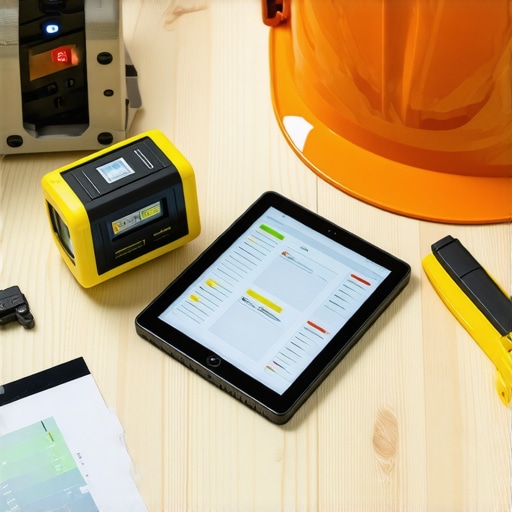
Finally, always be ready to adapt your toolkit. As new tools emerge, such as advanced laser level systems or drone inspections, integrating these into your workflow can save time and improve accuracy. For example, I recently started using Leica Geosystems laser levels, which dramatically reduce setup time during foundation assessments or long-span framing. Experimenting with new technology like this not only improves outcomes but also inspires better planning for future expansions.
Start by testing a high-precision laser level in your next project—it’s a game-changer for maintaining alignment and accuracy over long distances. Keeping your tools updated and your methods strategic will ensure your builds stand the test of time, scaling efficiently without sacrificing quality or compliance.
Lessons That Changed My Approach to Additions and Permits
One of the toughest truths I’ve learned is how easily assumptions can lead to budget overruns. I once believed that a simple permit was just a formality until I faced unexpected delays and fees that doubled my initial estimates. That experience taught me to always dig deeper into permit requirements and allocate extra time and resources for unforeseen complications.
Another lesson was how crucial it is to verify contractor quotes by requesting detailed, itemized bids. I missed this step early on, which resulted in inflated equipment rental charges sneaking into my bill. Now, I always scrutinize every line item and compare multiple bids to spot hidden markups and ensure transparency.
Finally, I realized that effective estimation isn’t only about numbers—it’s about understanding the nuances of local regulations, site conditions, and material costs. Investing time in education, like reviewing resources such as cost estimation techniques, has made a huge difference in keeping projects on track and within budget, especially for complex additions and new builds.
Tools and Resources That Reshaped My Projects
My top recommendation for managing construction finances is project management software like Buildertrend, which consolidates scheduling, budgeting, and communication. It’s a game-changer for maintaining oversight and making adjustments on the fly.
For estimating and planning, I lean on professional estimation guides that help me anticipate costs accurately, considering all permit and permit-related fees. Additionally, our comprehensive permit guides have demystified how permits can affect a project timeline and budget, saving me from costly surprises.
Finally, I recommend staying current with industry best practices by following reputable blogs and online communities focused on additions and new builds. Continuous learning keeps your approach sharp and helps you adapt strategies to stay under budget and ahead of regulatory hurdles.
Your Next Move to Smarter Building
Empower yourself with knowledge, the right tools, and a proactive mindset to master your additions, estimating, and permits. The more informed you are, the better prepared you’ll be for seamless projects that stay within budget and meet all expectations. Remember, construction projects are a journey—embrace the learning process and stay curious about new methods and regulations.
What’s your biggest challenge when it comes to estimating or permitting your building projects? Share your experiences below—your story might just help someone else succeed!