
The Waste Disposal Clause That Inflates Your Renovation Cost
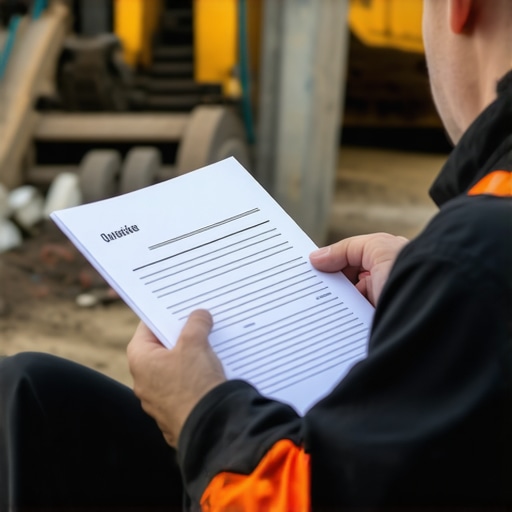
I remember the exact moment I felt my stomach drop during a renovation project. We had already negotiated a decent deal on materials and labor, but then came the waste disposal clause in the contract. Suddenly, what seemed like a straightforward project morphed into an unexpected financial drain. That lightbulb moment made me realize how easily overlooked clauses can sneak in and blow up your budget.
Why Waste Disposal Costs Are the Silent Budget Killers
If you’ve ever been through a renovation, you know how tight the financial leash can be. But what catches many folks off guard is the waste disposal clause—an often hidden part of contracts that inflates costs and complicates planning. It’s not just about hauling away debris; some clauses include charges for soil, contaminated materials, even minimal waste. This sneaky fee can add hundreds, sometimes thousands, to your project without warning.
Are These Fees Really Necessary or Just Profit Tricks?
Early in my projects, I made the mistake of assuming waste removal was a straightforward service. I didn’t dig deep into the contract, which proved costly. I learned the hard way that some waste disposal fees are inflated or include unnecessary charges. To avoid being caught off guard like I was, it’s essential to understand what you’re signing. Plus, understanding permit requirements and waste management options can save you a bundle. Curious? Check out mastering new build estimating for detailed strategies.
Have you ever faced unexpected waste disposal costs that blew your budget? Sharing your experience could help others dodge similar surprises.
Break Down Costs with Detailed Estimating
Start by itemizing every aspect of waste disposal in your estimate. When I faced a surprise fee on a mid-sized home remodel, I realized I hadn’t accounted for soil, contaminated materials, or minimal waste charges. Listing each type of waste separately helps prevent hidden costs from sneaking into your budget.
Consult Local Regulations and Options
Know Your Permit Requirements
Before estimating, research local permit requirements for waste disposal. Permits not only impact costs but also timing. Check the permit guidelines to understand what fees might apply and plan accordingly. During my last project, verifying permit needs early avoided delays and fines.
Explore Disposal Alternatives
Engage with multiple waste removal companies to compare prices. Some regions offer recycling programs or composting options that are cheaper and more eco-friendly. This approach can shave hundreds off your daily hauling expenses and optimize waste management. I discovered that partnering with a local recycler saved me money while reducing landfill impact.
Negotiate and Contract Smartly
Include specific waste disposal clauses in your contract. Clarify exactly what is included in the fee—are contaminated materials extra? Is there a minimum charge? During negotiations, I pushed for a flat rate that covered all types of waste removal, which prevented unexpected charges halfway through construction.
Implement On-Site Waste Segregation
Designate areas for different waste types and train crew members accordingly. Proper segregation ensures efficient removal and often qualifies for lower disposal fees. For instance, separating concrete from wood and drywall allowed me to take advantage of recycling discounts, cutting costs significantly.
Leverage Waste Disposal Cost-Tracking Tools
Use software or logs to monitor waste volumes and disposal expenses weekly. Tracking helped me identify spikes and adjust procedures quickly. For example, noticing a surge in soil waste led me to revise excavation strategies and negotiate better rates, saving hundreds over the project timeline.
Stay Informed and Adjust Continuously
Regularly review your estimates against actual costs and stay updated on local disposal fee trends. Being proactive allowed me to re-negotiate contracts or switch disposal partners if prices rose unexpectedly. This dynamic approach keeps your project within budget and avoids surprises.
By applying these concrete steps, you transform waste disposal from a hidden financial drain into a managed cost. Careful planning, local research, and ongoing monitoring are your best tools to keep your project costs on track and avoid the pitfalls of unforeseen disposal fees.
Many professionals and homeowners alike believe that estimating construction costs is a straightforward process: gather prices, add a profit margin, and you’re set. However, this simplistic view often leads to costly surprises, especially when it comes to new builds and permits. Let’s dig deeper into the nuances that can make or break your project budget.
Myth: All Estimates Are Created Equal
The common misconception is that estimates are one-size-fits-all documents. In reality, a detailed, nuanced estimate considers variables like site-specific conditions, local code requirements, and permit intricacies. For example, overlooking regional differences in permit fees or soil testing costs can result in underestimating total expenses. Experts emphasize that a high-quality estimate isn’t just about summing line items; it’s about understanding the context behind those numbers. For comprehensive insights, check out mastering new build estimating.
Have you ever fallen into this trap? Let me know in the comments.
Beware of Permit Pitfalls and Hidden Costs
Permitting might seem like a routine administrative step, but it can carry hidden costs that easily blow an initial budget. Many underestimate fees for plan review, zoning variances, or environmental assessments. Additionally, some jurisdictions impose impact fees or require infrastructure upgrades, which are often omitted in early estimates. The key is to proactively research and include these potential expenses from the outset. This is where understanding navigating permit requirements becomes crucial.
Advanced estimators don’t just add a contingency; they integrate permit-related nuances into their foundational costs, reducing the risk of overruns. Remember, missing a permit detail can cause delays, fines, or even project rework—costs that far exceed initial estimates.
How Do You Account for Site-Specific Challenges?
The terrain, soil stability, and existing infrastructure are often overlooked during estimation but are critical for accuracy. For instance, clay soils may require specialized foundation work, and proximity to utilities can influence excavation costs. Incorporating thorough site assessments early in your planning phase prevents large discrepancies later. As noted in construction estimation guidelines, integrating local geological data and utility mapping enhances estimate reliability.
In summary, effective estimating combines precise data, regional knowledge, and a nuanced understanding of permits. Don’t rely solely on generic spreadsheets; instead, adopt a layered approach that considers site specifics, local regulations, and unforeseen circumstances. Doing so not only saves money but also ensures smoother project execution.
Have you encountered hidden costs that caught you off guard? Share your experience and strategies below. Remember, thoroughness today prevents headaches tomorrow!
The Power of Smart Maintenance Practices
Maintaining accuracy in your construction estimates and ongoing project management is crucial for success. Regularly updating your data and tools ensures your projects stay within budget and schedule. Personally, I rely on a combination of advanced estimating software and routine site inspections to keep everything running smoothly. For instance, I use PlanSwift for digital takeoffs because it allows me to quickly update quantities as project scopes evolve, reducing errors and saving time. Staying proactive about maintenance of tools and data ensures that your estimates remain reliable over time.
Essential Tools I Recommend for Long-Term Success
My go-to software in ongoing project management includes cost estimation tools that integrate current market prices, helping me adapt to fluctuating material costs. Additionally, I utilize project management platforms like Procore to track daily site progress, document changes, and communicate with crews efficiently. These tools are vital because they foster transparency and allow me to review historical data, which is invaluable for refining future estimates.
How do I maintain accuracy and efficiency over time?
One method I advocate is setting up routine review sessions—bi-weekly or monthly—to audit estimates against actual costs and work progress. This habit helps catch deviations early. Moreover, keeping a detailed log of discrepancies and their resolutions builds a knowledge base that improves your estimating accuracy over multiple projects. According to industry experts, such continuous process improvements are key to scaling successfully in construction projects (source).
Anticipating Future Trends in Construction Maintenance
The future points toward greater integration of AI and IoT devices for real-time monitoring of equipment and project conditions. These technologies promise to further reduce errors and optimize maintenance schedules, extending the lifespan of tools and machinery. Embracing these innovations now can provide a competitive edge and improve your long-term project outcomes.
What about Scaling Your Estimating and Maintenance Processes?
If you’re looking to expand your operations, investing in scalable software solutions that adapt to your project volume is essential. Automating routine checks and updates not only saves time but also maintains consistency across multiple projects. For example, integrating a cloud-based data system allows team members to access real-time information, making scaling more manageable. Considering the trajectory of construction tech, adopting these scalable methods positions you for future growth.
Try implementing a routine data review combined with your favorite estimating software today. This small step can significantly enhance your accuracy and help you stay ahead in managing complex projects. Don’t forget to check out expert home addition estimation guides to refine your process further.
Throughout my years in construction, I’ve learned that some of the most impactful insights come from those momentary flashes of clarity during complex projects. One of the most eye-opening lessons was realizing how easily hidden clauses, especially concerning waste disposal, can derail a carefully planned budget. Addressing this proactively has transformed the way I approach estimating for new builds and additions, turning hidden costs into predictable expenses.
What I Wish I Had Known About Hidden Fees Early On
One of the toughest realizations was that waste disposal isn’t always straightforward. From contaminated materials to soil removal, unanticipated charges can add thousands to your project if you’re not prepared. The lightbulb moment came when I saw my initial estimates skyrocket after realizing I overlooked these details. Now, I make it a point to itemize waste types and negotiate clear terms in contracts, which helps keep unexpected costs at bay.
Tools and Strategies That Changed My Estimating Game
Utilizing detailed cost-tracking tools, such as digital logs for waste volume and expenses, has been a game-changer. Comparing quotes from multiple disposal services and understanding permit requirements—like those outlined in navigating permit requirements—has empowered me to negotiate better terms and avoid surprises. Additionally, on-site waste segregation not only reduces disposal costs but also promotes sustainable practices that clients increasingly value.
Insights That Could Save You Heartache
Don’t assume every estimate is comprehensive. I’ve seen too many projects delayed or over budget because of overlooked permit and site-specific challenges. Always research local regulations and incorporate potential impact fees into your initial estimate. Remember, thoroughness now pays dividends whenever unforeseen issues threaten your timeline or budget. Regularly reviewing and updating your estimates ensures accuracy stays sharp, especially as market prices fluctuate.
Don’t Miss the Chance to Master Waste Management
By implementing precise itemization, engaging with local authorities for permits, and leveraging cost-tracking technology, you can turn what was once a hidden financial drain into a manageable, predictable element of your construction project. Embrace these lessons, and you’ll find yourself better prepared for the inevitable surprises that come with estimating for new builds and additions.
Refining Your Approach Beyond Just Costs
Beyond the numbers, cultivating a mindset of continuous learning—like exploring mastering new build estimating—can elevate your projects from good to exceptional. Staying informed about local regulations, waste management options, and evolving market trends ensures you’re always one step ahead.
Your Move Starts Today
Are you ready to re-examine your current estimating practices and identify hidden waste disposal costs lurking in your projects? Share your experiences or questions below, and let’s learn from each other’s journeys in building smarter budgets together.