
I remember the day I underestimated the importance of proper planning for a home addition, and it cost me dearly—delays, extra costs, and a lot of stress. That lightbulb moment made me realize how crucial it is to approach these projects with expertise and foresight. If you’ve ever felt overwhelmed by the prospect of expanding your living space or worried about turning a simple renovation into a money pit, you’re not alone. Today, I want to share how you can add significant value to your home through smart, well-executed additions without falling into common traps. We’ll cover the essentials, from budgeting to permits, so you can confidently navigate your project and maximize your investment.
Set a Clear Budget and Stick To It
When I decided to add a new bedroom to my home, I initially underestimated the costs. I started by drawing rough estimates based on online calculators, but I quickly realized I needed more precision. I gathered detailed quotes from local suppliers and contractors, which helped me create a realistic budget. This process is akin to planning a road trip: knowing your fuel costs and stops prevents unexpected breakdowns. Use top estimating strategies to refine your budget and avoid surprises.
Secure Your Permits Early
During my first project, I delayed permit applications, thinking I could handle it later. This mistake caused delays and added costs. I learned that understanding the permit process early on saves time and money. Think of permits as the traffic rules of your construction journey—they keep everything running smoothly and legally. Start by researching local requirements and preparing necessary documents before breaking ground.
Draft a Detailed Construction Plan
Creating a comprehensive plan was my game-changer. I mapped out every step, from foundation work to finishing touches, and coordinated with subcontractors. This is like assembling a complex puzzle; missing a piece can slow the whole project. Use project management tools or consult with a construction expert to keep everything on track.
Choose the Right Professionals
Hiring experienced contractors who specialize in home additions made a huge difference. I interviewed several, checked references, and reviewed their portfolios. Think of selecting your team like choosing a quarterback for your team—trust, skill, and communication matter. Proper vetting ensures quality work and fewer headaches down the line.
Implement Effective Communication
Regular meetings and updates with your contractor keep everyone aligned. I scheduled weekly check-ins to review progress and address issues promptly. This is similar to maintaining a conversation; clarity prevents misunderstandings. Use digital tools or simple phone calls to stay connected and document decisions.
Manage Change Orders Carefully
Midway through my project, I decided to add a skylight. Instead of rushing, I consulted with my contractor and reviewed costs before approving. Change orders can derail schedules and budgets if not controlled. Treat modifications like adding toppings to a pizza—plan ahead to avoid overloading the system. Always evaluate the impact before making changes.
Monitor Progress and Quality
On-site visits became my routine. Watching the work unfold allowed me to catch issues early. Think of it as proofreading your work—it ensures standards are met. Don’t hesitate to ask questions or request adjustments to maintain quality.
Stay Organized and Keep Records
I kept detailed records of contracts, receipts, and correspondence. This archive proved invaluable when resolving disputes or clarifying project scope. Consider it your project’s diary—organized and accessible.
Review and Finalize Before Closing
Before signing off, I conducted a thorough walk-through, noting punch list items. Addressing these ensures everything is completed to your satisfaction. It’s like a final exam—make sure all questions are answered before moving on.
Learn from Experience to Improve Future Projects
Every project teaches lessons. I documented what worked and what didn’t, which made my next addition smoother. Think of it as upgrading your skills—each build makes you more prepared for the next challenge.
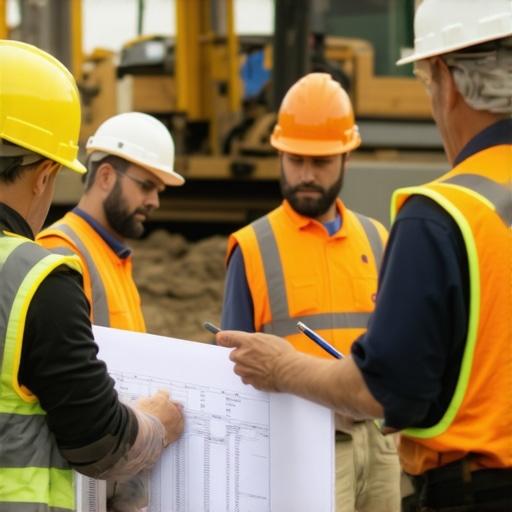 Many homeowners assume that simply hiring a reputable contractor or choosing premium materials guarantees added value to their home. While these are important factors, the real nuance lies in understanding that not all improvements yield the same return, especially when not aligned with market demands or executed with finesse. A common misconception is that bigger equals better; in reality, thoughtful design and strategic placement often outperform sprawling additions in boosting resale value. Moreover, some expect that cutting corners on permits or inspection processes can save money, but this approach can backfire, leading to costly legal issues or the need for costly repairs later. For example, overlooking the importance of proper insulation or ventilation during an addition can significantly diminish energy efficiency and occupant comfort, which are key selling points.
Many overlook the importance of integrating an addition seamlessly with the existing structure. A poorly matched facade or inconsistent interior finishes can make an extension seem like an afterthought, reducing overall home appeal. Additionally, the timing and market conditions can influence how much value an addition truly adds; what works in one neighborhood might not in another. This is why consulting local real estate experts or using data-driven approaches like estimating strategies is crucial.
One advanced mistake is neglecting the long-term maintenance implications of certain design choices or materials. For example, using low-cost, high-maintenance siding might save initial costs but lead to higher upkeep expenses that diminish overall value. Also, many underestimate the importance of detailed planning for utility connections and ensuring the addition doesn’t compromise existing systems. Small oversights here can result in significant costs down the line.
Let’s ask: How can homeowners ensure their additions truly add value rather than just cost? The key is to focus on strategic design, market compatibility, and meticulous execution. Remember, expert guidance isn’t just about construction; it’s about creating a space that enhances your home’s worth and your quality of life. Have you ever fallen into this trap? Let me know in the comments.Staying on top of maintenance and using the right tools can drastically improve the longevity and quality of your home addition projects. From specialized equipment to software, I’ve found that choosing the right resources helps streamline the process and ensures long-term success. For example, I personally rely on laser distance meters like the Bosch GLM 50 C for quick, precise measurements during framing and layout. This device saves time and reduces errors compared to traditional tape measures, especially when working alone or in tight spaces. Additionally, I use project management platforms such as Buildertrend or CoConstruct, which help me keep track of schedules, budgets, and communication with subcontractors. These tools are invaluable for maintaining organization and accountability throughout the build.
The Hardest Lesson I Learned About Home Additions
One of my most memorable lessons was realizing that rushing through the planning phase can lead to costly mistakes. I once skipped detailed drawings and consultations, which resulted in mismatched finishes and additional expenses. Now, I know that patience and thoroughness during initial stages save time and money in the long run.
3 Myths About Home Additions That Held Me Back
I used to believe that bigger was always better, and that a high-end contractor could handle everything without oversight. Both are misconceptions. Smaller, well-designed projects often yield better value, and active involvement ensures the final result aligns with your vision and budget.
What Experts Won’t Tell You About Adding Value
Most overlook the importance of integrating design with market trends. I learned that a seamless, cohesive look that matches your neighborhood appeals more to buyers and adds real value. Consulting local real estate experts helped me understand what features buyers are seeking.
My Essential Toolkit for Home Addition Success
Tools like the Bosch GLM 50 C laser distance meter and project management platforms such as Buildertrend have been game changers for me. They streamline measurement and communication, reducing errors and keeping the project on track. Investing in these tools is crucial for smooth execution.
Your Turn to Make It Happen
Embarking on a home addition is a significant step, but with careful planning, expert help, and the right mindset, you can turn your vision into reality that enhances your home’s value and your quality of life. Don’t let fear hold you back—start today and watch your home transform.