Stop Overpaying for Scaffolding on Small Additions
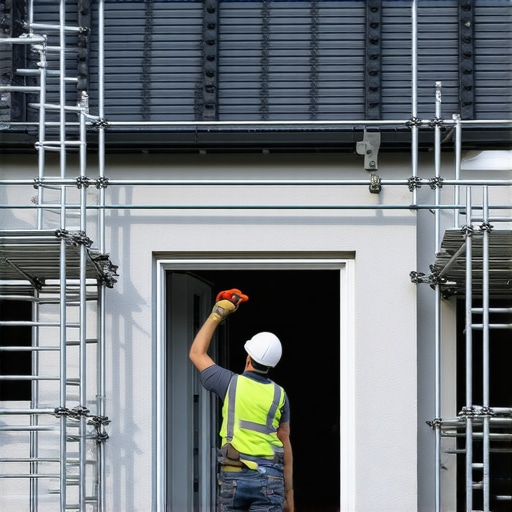
It was a sunny Saturday morning when I finally looked at the receipt for my recent home addition project, and my stomach sank. I’d just finished paying an eye-watering sum for scaffolding, even though my project was small enough that I thought I could handle it myself. That moment—the realization of how much I’d overpaid—felt like a punch to the gut. It made me wonder: how many others are throwing money away on unnecessary scaffolding, especially on minor additions?
Why Small Home Improvements Don’t Have to Break the Bank
Many homeowners, including myself at one point, fall into the trap of overpaying for essentials like scaffolding, simply because they don’t know better or assume it’s a fixed cost. But here’s the truth: scaffolding costs can be negotiated, rented smartly, or even avoided with a little strategic planning. The big lesson I learned (the hard way) is that understanding the true scope and how to get the right equipment can save hundreds, if not thousands, of dollars.
If you’re planning a small addition or renovation, chances are you’ve faced similar frustrations. Maybe you’ve received quotes that seem exaggerated, or you’re unsure whether you need to rent scaffolding at all. The good news is, there are practical ways to cut those unnecessary costs and keep your project within budget.
But before we dive into the solutions, let me share a mistake I made early on that I hope you’ll avoid—a mistake that cost me dearly and delayed my project. I assumed that scaffolding was a one-size-fits-all expense and didn’t bother exploring alternative options. As a result, I ended up paying premium prices for equipment I barely used. Learning to ask the right questions and do a little homework, like checking out [cost-effective estimating techniques](https://constructionedgez.com/cost-effective-estimating-techniques-for-new-builds-and-additions), can dramatically impact your bottom line.
Now, if you’re wondering whether tackling scaffolding on your own is feasible or if you need to hire out, keep reading. We’re about to explore these options and more, so you can confidently make informed decisions and avoid overpaying like I did.
Assess Your Project Scope Carefully
Start by defining exactly what you want to achieve. Break down your project into smaller tasks, such as framing, electrical, and finishing. I once jumped into hiring a contractor for what I thought was a straightforward porch extension, but by mapping out every step, I realized I could handle some parts myself, saving thousands. Use tools like [estimating techniques](https://constructionedgez.com/how-to-accurately-estimate-costs-for-home-improvements) to get accurate project costs early on.
Compare Equipment Options Strategically
Instead of defaulting to full rental services, explore alternatives like borrowing, sharing with neighbors, or renting equipment for only critical times. For my recent deck addition, I rented a small excavator from a local outlet and scheduled my work around their availability, which cut costs significantly. This approach is similar to choosing the right tools for a job rather than always defaulting to the most expensive option.
Know When Permits Are Truly Necessary
Not every project needs a permit. Small improvements, like interior renovations, sometimes fall under exemptions. For larger additions, getting the permit process right can prevent costly delays. I learned this firsthand when I tried to skip a permit body for a minor sunroom; rework and fines cost me more than following the proper [permit procedures](https://constructionedgez.com/understanding-permit-processes-for-successful-home-additions). Always verify with local authorities if you’re unsure.
Negotiate and Shop for Materials
Material costs are negotiable, especially if you buy in bulk or after-market brands. When I needed siding, I negotiated with suppliers and discovered some offered discounts for cash payments. Don’t accept Many homeowners believe that permits are just bureaucratic hurdles or that estimating costs is straightforward, but in reality, these areas are riddled with misconceptions that can lead to costly mistakes. One widespread myth is that permit requirements are universally consistent; however, local codes and the specifics of your project can significantly alter what’s needed, often catching the unwary off guard. Many assume permits are optional for minor improvements, yet overlooking the requirements can result in fines, delays, or even the need to undo completed work. For example, a small addition might seem harmless to skip permitting, but inspectors are increasingly scrutinizing even minor projects, and non-compliance can be costly—learn more about navigating permit requirements at [this guide](https://constructionedgez.com/permits-for-new-builds-essential-tips-for-your-project).
On the estimating side, there’s a dangerous misconception that ballpark figures suffice. Homeowners often rely on generic online calculators or quick quotes without understanding the hidden factors that influence costs. This oversight can lead to underestimating expenses, especially if original estimates ignore labor complexities or permitting fees. Advanced homeowners know that detailed, itemized estimates—including permit costs, materials, labor, and contingencies—are essential, which is why I recommend reviewing [cost-effective estimating techniques](https://constructionedgez.com/cost-effective-estimating-techniques-for-new-builds-and-additions) for a more accurate budget.
But what about the misconceptions that lead to legal or safety issues? Many underestimate the importance of proper permits, viewing them as optional paperwork rather than critical safety and legal safeguards. Missing or improper permits can invalidate insurance and cause issues during resale. Have you ever fallen into this trap? Let me know in the comments.
One critical nuance often ignored is the relationship between permit approval times and project scheduling. Rushing or neglecting permit applications can cause delays that ripple throughout the project timeline. Streamlining permit acquisition—such as understanding local processing times and ensuring all documentation is accurate—can save months of frustration, as discussed in [this article about streamlining permits](https://constructionedgez.com/streamlining-permit-acquisition-for-faster-construction). Recognizing these hidden factors ensures your project stays on track and within budget, rather than suffering from avoidable setbacks.
Keeping It Working: Tools I Recommend for Home Construction
When managing home additions or new builds, having the right equipment and software is crucial for efficiency and accuracy. One of my go-to tools is PlanGrid, a construction document management software that allows me to access blueprints, permits, and revisions on-site via my tablet. It streamlines communication with subcontractors and reduces the risk of costly mistakes. Understanding permits becomes much simpler when all your documents are organized and easily accessible. Additionally, I rely heavily on Laser Distance Measurers like the Leica Disto series. These devices provide precise measurements without the hassle of tape measures, saving me time and preventing errors, especially when scaling drawings for permits or estimates.
How do I maintain these tools over time?
Regular calibration and battery checks are essential. For software, stay updated with the latest versions to access new features and security patches. I also find that backing up digital data on cloud platforms ensures I never lose critical documents mid-project. Looking ahead, the integration of AI-powered project management tools promises to further streamline home construction workflows, reducing delays and optimizing resource allocation.

For example, utilizing Construction Management Software like Buildertrend can keep track of permits, schedules, and expenses in one place. This integration is becoming the industry standard for scalable, long-term success, especially when managing multiple projects simultaneously. I encourage you to try incorporating an app like Buildertrend into your workflow—it can truly transform how you keep everything running smoothly and help you scale efficiently.
Lessons That Changed My Approach to Home Building
One of the biggest realizations I had was that the cost of scaffolding isn’t set in stone; it’s negotiable and often inflated by misconceptions. I once paid triple what I should have for a simple rental because I didn’t ask around. Now, I always seek multiple quotes and explore alternatives like borrowing or sharing equipment with neighbors, which saves me hundreds. Additionally, I learned that understanding local permit nuances can save costly delays—checking with authorities beforehand is a game changer. Lastly, I discovered that detailed, itemized estimates reveal hidden fees, protecting me from surprises that blow my budget out of proportion. These lessons have made me more confident and efficient in handling home additions, and I believe sharing them can help you avoid similar pitfalls.