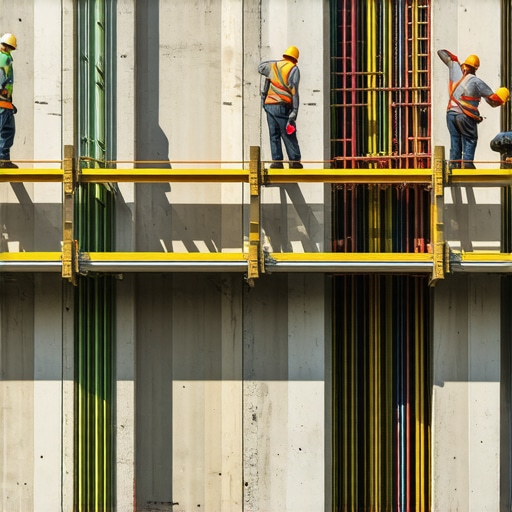

How to Verify Labor Hours in a Time-and-Materials Contract
I vividly remember the day I realized I had been eyeballing labor estimates all wrong. We were deep into a home addition project, and I felt uneasy about the hours billed—something just didn’t sit right. It hit me then: trusting a contractor’s word isn’t enough. If you’ve ever faced the sinking suspicion that the labor hours on your project are inflated or inconsistent, you’re not alone. Many homeowners and builders struggle with verifying those numbers, often feeling helpless against complex estimates and bids.
Why Accurate Labor Verification Matters More Than Ever
In the world of construction, especially with time-and-materials contracts, knowing how to verify labor hours isn’t just a good practice—it’s essential. Overestimating labor can drain your budget, while underestimating can lead to project delays and subpar results. I’ve learned that a meticulous approach, rooted in understanding typical work hours and project timelines, can be a game-changer. After all, research indicates that labor costs account for roughly 35-50% of total project expenses, making them a critical factor in budgeting and decision-making (source).
But how do you go from feeling overwhelmed to confidently verifying hours? That’s what I’ll walk you through today—based on my personal journey and lessons learned from countless projects. If you’ve wondered whether those extra hours really add up or if your contractor’s figures are reasonable, stay tuned—we’re about to demystify the process.
What I Wish I Knew When I First Started
One common mistake I made early on was accepting estimates without question. I didn’t ask for detailed breakdowns or compare them against typical industry benchmarks. This oversight often led to surprises at the bill, and a lot of unnecessary stress. Over time, I discovered that the key is understanding the nuances: what constitutes a standard workday, how to recognize padding, and which metrics help verify the authenticity of labor claims. If you want a practical handle on this, I recommend reviewing this guide for comprehensive strategies.
Now, if you’re wondering whether verifying labor hours is worth the effort, I’ll say this: absolutely. It’s about protecting your investment, ensuring transparency, and ultimately delivering a project you can be proud of. Ready to dive into the step-by-step methods that can help you hold contractors accountable? Let’s get into it, because knowing this skill could save you thousands and a lot of headaches.
Break Down the Estimated Hours
Start by requesting a detailed labor breakdown from your contractor, itemizing each phase of the project. When I hired a contractor for a kitchen extension, I asked for their estimate to list hours for demolition, framing, electrical, plumbing, and finishing. Initially, they presented a lump sum, but I pushed for specifics. This transparency allowed me to compare their numbers against industry standards and spot inflated segments. If the breakdown seems unusually high for any part, probe further—sometimes, padding is hidden in these details.
Compare Against Industry Benchmarks
Next, cross-reference the contractor’s estimates with reputable sources like industry benchmarks. For example, in a recent small addition, my rough estimate for framing was 40 hours, but the industry norm was around 25-30 hours for similar scope. This deviation flagged potential labor padding. When I discussed this, the contractor adjusted their estimate, saving me hundreds. Remember, familiarity with typical work hours elevates your ability to spot suspect figures and negotiate effectively.
Track Your Project Timeline
Use your project milestones as a timeline guide. During a basement renovation, I monitored daily progress and compared actual hours logged with the estimates. If a week passed with fewer workers but the hours claimed remained high, I questioned the data. Consistently tracking timeline adherence helps identify discrepancies early, preventing inflated labor charges from slipping unnoticed into your bill.
Request Supporting Documentation
Insist on seeing timesheets or daily logs tied to the estimate. When a plumber billed an unusually high number of hours for a simple fixture change, I asked for supporting records. This practice confirms whether workers logged hours on-site or if there’s padding or double billing. Like in my experience with a roofing subcontractor, reviewing logs exposed redundant hours that I successfully contested, reducing costs.
Observe Work Patterns for Clues
Sharpen your intuition by observing work patterns. For instance, during a window replacement project, I noticed workers working efficiently during morning hours, with a slowdown midday while they took extended breaks. By juxtaposing this with the hours billed, I could assess whether the time claimed matched actual work done. Such insights help you hold contractors accountable and ensure fair billing practices.
Many homeowners and even seasoned builders share a common misconception that estimating construction projects is straightforward—simply tally up material costs and multiply by labor hours. However, this simplistic view often leads to costly surprises due to overlooked nuances and assumptions. One critical fallacy is believing that all estimates are created equal; in reality, without understanding the underlying assumptions and potential adjustments, you’re setting yourself up for miscalculations and disputes. For instance, many assume that permit costs are minor line items, but in actuality, permit fees can fluctuate significantly based on project scope, location, and compliance requirements. Rushing through this phase without thorough scrutiny can delay permits or result in unexpected fees, risking project timelines and budgets. According to industry analysis, improper estimation of permit and municipal approval processes accounts for up to 20% of project overruns,highlighting the importance of permit understanding.
Another common myth is the belief that structural design and engineering considerations are optional or can be simplified during initial estimates. In truth, overlooking detailed structural assessments or assuming standard load requirements can lead to underestimating foundation or framing costs, compromising safety and compliance. The precision of these estimates hinges on early engagement with qualified structural engineers and thorough review of blueprints—skipping this step invites costly revisions later.
A nuanced trap many fall into involves compensating for unforeseen site conditions. For example, transforming a seemingly simple basement addition might encounter unexpected soil issues, utility conflicts, or easement restrictions—factors that are rarely included in initial estimates but can inflate costs by 15-30%. Being unaware of these possibilities is a significant pitfall. To mitigate this, proactive site assessments and engaging with local permitting authorities beforehand can reveal these hidden factors—saving time and money in the long run.
Have you ever fallen into this trap? Let me know in the comments. Mastering the art of Accurate project estimation isn’t just about numbers; it’s about understanding what those numbers truly represent and preparing for what might be hidden beneath the surface. For those looking to sharpen their skills, I recommend exploring advanced strategies like those in cost-effective estimating techniques to avoid common pitfalls and ensure your project stays on track from start to finish.
Investing in Reliable Tools for Lasting Results
One of the most critical aspects of maintaining accuracy and efficiency in your construction projects is having the right equipment. Personally, I swear by cordless rotary hammer drills like the Makita XPH12Z for their versatility and durability. These tools are invaluable when working on tasks such as drilling into concrete or masonry, especially during the initial phases of a build. Their portability ensures I can work efficiently on-site without being tethered to power outlets, saving time and reducing fatigue. For measuring and leveling, I rely heavily on laser levels such as the Bosch GLL3-330C. Unlike traditional bubble levels, laser levels provide precise, long-range accuracy, which is essential when ensuring structural elements are perfectly aligned. Incorporating these tools into your workflow can significantly reduce errors and rework, leading to longer-lasting, quality outcomes.
Embracing Cutting-Edge Software for Accurate Estimating
Accurate data is the backbone of effective project management. I personally utilize software like Cosential and Buildsoft, which integrate seamlessly with my estimation process. These platforms allow me to input detailed project parameters, cross-reference industry benchmarks, and generate precise cost projections. The trend in construction is moving towards using Building Information Modeling (BIM) tools, which provide 3D models that incorporate structural, electrical, and mechanical details. This integration not only improves initial estimates but also facilitates ongoing maintenance and future scaling. As technology advances, I predict more contractors will adopt AI-driven estimation tools that utilize historical project data to predict costs with even greater accuracy, minimizing overruns and disparities.
Creating a Maintenance Routine That Starts Early
Long-term success demands consistent upkeep of tools and infrastructure. I recommend establishing a weekly check-in schedule for inspecting equipment and ensuring calibration of measurement devices. For example, laser levels require periodic verification against known benchmarks to maintain accuracy. Additionally, lubricate power tools regularly to extend their lifespan and prevent breakdowns that could cause costly delays. Keep detailed logs of maintenance activities; this transparency facilitates quick troubleshooting and replacement decisions. When it comes to scaling projects, having a well-maintained set of tools ensures you can respond swiftly to evolving needs without compromising quality or safety. Regular maintenance also reduces the risk of accidents caused by equipment failure, reinforcing safety protocols on-site.
How do I keep my tools and systems performing over time?
The answer lies in proactive, scheduled maintenance combined with investing in high-quality equipment upfront. For software, always update to the latest versions, which include security patches and new features designed for efficiency. Remember, integrating tools like accurate estimation software can dramatically improve the consistency of your calculations, especially when combined with detailed project notes and baseline data. Don’t overlook the importance of training—familiarity with your tools prevents misuse and prolongs their lifespan. Keep abreast of industry innovations by subscribing to specialized blogs and forums.
To start, try setting up a monthly review of your equipment and software performance, adjust schedules as needed, and consider upgrading to newer, more durable tools when critical components show signs of wear. Over time, this routine simplifies scaling your operations and ensures ongoing, reliable results.
The Hardest Lesson I Learned About Estimating and Permits
One of my most significant realizations was that estimates are only as good as the assumptions behind them. Misjudging site conditions or permit complexities can turn a smooth project into a costly headache. Early in my career, I overlooked the importance of detailed site assessments and permit research, which led to surprises and delays. Now, I understand that investing time upfront in understanding local regulations and potential site issues saves money and stress later.
How I Discovered the Power of Precise Documentation
Seeing is believing. When I began requesting detailed timesheets and daily logs from contractors, I gained clarity and confidence. Challenging inflated hours became straightforward, and ultimately, I maintained better control over project costs. This habit also fostered transparency and trust, which are vital in construction projects. I encourage everyone to make documentation a core part of their process—it’s a game-changer.
Why Knowing Typical Work Hours Changes Everything
Understanding industry benchmarks for work hours gave me the ability to spot padding early on. For example, knowing that framing a wall generally takes 20-25 hours prevented me from accepting inflated estimates. It empowered me during negotiations and helped me allocate my budget more accurately. This knowledge transforms estimates from guesswork into strategic tools—take the time to learn these standards, and you’ll be ahead of the game.
Tools That Elevated My Estimating Confidence
From laser levels like the Bosch GLL3-330C to estimation software such as Cosential, I’ve found that investing in quality tools enhances accuracy and efficiency. These tools streamline measurements, help you visualize project parameters, and reduce human error. Trust me, when you’re armed with reliable equipment and software, your ability to verify labor hours and project scope increases dramatically. It’s worth the extra investment for the long-term savings and peace of mind.
Next Moves for Smarter Construction Planning
If you’re eager to improve your estimating skills, start by reviewing comprehensive guides and industry benchmarks. Engage with local permitting authorities early to understand permit timelines and potential hurdles—this proactive approach prevents costly delays. Additionally, embrace new estimation tools and keep refining your understanding of site conditions. These steps will help you estimate more accurately, negotiate better, and ultimately complete your projects successfully.