Spot the Overpriced HVAC Line Items in Your Estimate
I remember the exact moment I realized I was overpaying for HVAC in a recent project. It was late at night, my estimate was sitting on my desk, and I was staring at a line item that seemed suspiciously high. It felt like I’d been duped, and honestly, I felt a little overwhelmed. If you’ve ever been in that situation—reading through an estimate, feeling that twinge of doubt—you know exactly what I mean. That’s when I decided enough was enough. I was going to learn how to spot those overpriced HVAC line items and save myself some money.
Why Overpriced HVAC Line Items Could Drain Your Budget Faster Than You Think
In every construction estimate, HVAC costs can sneak up on you. Sometimes, they’re justified; other times, they’re inflated, adding hundreds or even thousands of dollars to your project fee. Why does this happen? Often, it’s due to vague line items, miscommunication, or a lack of knowledge about what’s reasonable for your specific project. As a homeowner or builder, understanding how to spot these inflated costs is crucial. It means more control over your budget, less stress, and a better chance of completing your project without unnecessary financial surprises.
Is Overpricing in HVAC Estimates a Common Problem?
Absolutely—and it’s more common than you might think. Early in my career, I made the mistake of trusting an early estimate without question. It wasn’t until months later, when I did my homework, that I discovered some line items were marked up excessively. According to industry insights, up to 30% of HVAC estimates can include inflated charges, often hidden within complex line-item breakdowns. [Source: Construction Edgez](https://constructionedgez.com/navigating-permit-requirements-for-additions-in-2025) offers tips on recognizing and addressing these overcharges, which I wish I had read sooner.
In this post, I’ll share practical, real-world tips that will help you identify overpriced HVAC components, so you’re not blindsided by unexpected costs. Whether you’re reviewing your own estimate or helping a client, knowing what to look for can make all the difference. Ready to take control? Let’s dive into the details to arm you with the tools you need.
Dig Into the Details of Each Line Item
During a project, I once received an estimate with a line item for ductwork that seemed unusually high. I requested a breakdown from the contractor, asking, “Can you explain why this ductwork costs so much?” This simple step forced the contractor to clarify the scope and pricing, revealing that they included premium materials for a smaller area than necessary. Always ask for detailed explanations of each line to identify unnecessary markups or overestimations.
Compare Quotes from Multiple Suppliers
In my experience, obtaining at least two quotes for HVAC equipment and installation helps benchmark fair prices. I contacted a local HVAC supplier and asked, “What’s the standard rate for a 3-ton AC unit?” Comparing the quotes showed one estimate inflated the unit price by 25%. This comparison empowered me to negotiate better terms or discard inflated estimates altogether.
Use Industry Standards as a Benchmark
For example, a typical HVAC installation might range between $4,000 to $8,000 depending on size and complexity. When I saw a quote that exceeded this by 50%, I knew to question the estimate. Familiarize yourself with these standards through resources like estimating guides to set realistic expectations and spot anomalies.
Evaluate the Scope of Work Clearly
I once reviewed an estimate where the scope was vague, including generic terms like “HVAC system” without specifics. I requested a scope of work document, which clarified that the proposal included ductwork in unheated attics, increasing labor costs unnecessarily. Clarify what’s included—duct runs, vents, equipment line—so you can compare estimates accurately and avoid paying for work you don’t need.
Check for Unnecessary Extras and Premium Materials
During one project, I noticed a line item for custom-made ventilation grills—an upgrade from standard options. I questioned the necessity, and the contractor agreed to use standard grills, saving me hundreds. Always scrutinize optional upgrades that inflate costs without adding value. Knowledge of standard options can prevent paying extra for bells and whistles that don’t improve performance or longevity.
Review Labor Costs Carefully
Labor can make up a significant part of HVAC estimates. I once saw a quote where installation labor was marked up by 30%. I cross-referenced local labor rates via estimating strategies and found the rate excessive. Negotiating or adjusting labor costs based on reliable data can lead to substantial savings.
Identify Phantom Costs and Hidden Fees
Some estimates include miscellaneous fees like administrative charges or markups for transportation. I encountered a line item labeled “miscellaneous expenses” that added 10% to the total. Always ask for a breakdown of such charges and verify if they are legitimate or inflated.
Leverage Expertise if Needed
If negotiations or reviews become complex, it’s wise to seek expert help. Professional estimators or construction consultants can spot inflated costs or unnecessary extras. In one case, hiring a consultant saved me over $2,000 by challenging inflated line items on HVAC estimates. You can learn more about professional estimating services to assist with your project.
When it comes to permits, additions, and new builds, many assume the process is straightforward: submit plans, pay fees, and wait for approval. However, the real challenge lies in understanding the nuanced requirements that can trip up even experienced professionals. One common misconception is that permit costs and scope are static, but in reality, they fluctuate based on detailed plan reviews and local interpretations. Overlooking these subtleties can lead to significant delays and unforeseen expenses. For instance, municipalities often have specific code interpretations that, if misunderstood, require costly redesigns or multiple resubmissions. This is why working with an expert who understands these intricacies—such as a seasoned estimator—is invaluable. They can anticipate drainage requirements, zoning variances, or structural considerations that standard plans might overlook. Moreover, many underestimate how emerging policies influence permit procedures. Recent studies, like those from the National Association of Home Builders, reveal that jurisdictions updating their code enforcement policies can alter permit timelines and costs unexpectedly.
Are There Hidden Costs That Standard Estimates Miss?
Absolutely. Hidden costs often stem from evolving regulatory demands, such as environmental studies or adjusted setback rules for urban infill projects. For example, new regulations might mandate additional soil testing or landscape buffers, which aren’t always included in initial estimates. Failing to account for these nuances can blow the budget and extend project timelines. To avoid these pitfalls, I recommend reviewing local policy updates regularly and consulting specialists familiar with your area’s zoning and permitting landscape. This proactive approach ensures that your estimate reflects actual requirements, reducing surprises down the line. If you’re unsure how regulatory nuances could impact your project, consider seeking expert guidance—connect with professionals who specialize in navigating complex permit processes at https://constructionedgez.com/contact-us. They can help you identify potential bottlenecks early and design a budget that accounts for these hidden variables. Remember, mastering these details isn’t just about avoiding costs; it’s about ensuring your project gets approved smoothly and on time. Wouldn’t you agree? Have you ever fallen into this trap? Let me know in the comments.
Prioritize Reliable Equipment and Software for Longevity
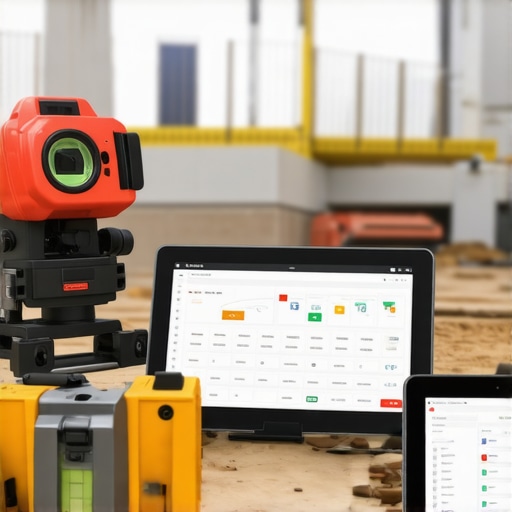
In my experience, investing in high-quality, durable tools makes a significant difference in keeping projects on track. I personally rely on Laser Distance Measurers like the Leica Disto series for precise measurements that save time and reduce errors, which is crucial during estimation and site layout. Additionally, Digital Level Sensors such as the Bosch GLL3-330CG provide rapid, accurate level checks that prevent costly rework later on. For project management, I use constructive software like Construction Master Pro for real-time estimating adjustments and Procore to streamline communication between teams. These tools, combined, have helped me catch issues early and avoid delays over long-term projects.
Implement Methodical Maintenance Routines
Preemptive maintenance extends the life of equipment and minimizes breakdowns that slow down progress. I recommend establishing daily checklists for tools like mixers, saws, and scaffolding components. For instance, ensuring power tools are cleaned, lubricated, and stored correctly prevents malfunctions. I also keep a log of maintenance tasks using a simple spreadsheet, which helps spot patterns of wear and schedule timely replacements. Regularly calibrating measurement devices ensures ongoing accuracy, which is particularly critical for projects involving additions or new builds where precision impacts permit compliance and structural integrity.
Leverage Consultation and Expert Insight
Connecting with industry experts can be a game-changer. I’ve found that reaching out to seasoned estimators or construction consultants through platforms like Construction Edgez provides tailored advice on maintaining project momentum. An external quote or review can uncover hidden inefficiencies or suggest alternative methods that boost durability and speed. For example, an external expert might recommend specific anchoring systems that reduce installation time and improve long-term stability, saving both labor and future repair costs. Regular consultation helps keep projects aligned with best practices and evolving industry standards.
Prepare for Future Trends in Construction Technology
Looking ahead, I predict the integration of AI-driven project management tools and IoT sensors will become more prevalent. These advancements can monitor equipment health in real time, predict failures before they happen, and optimize resource allocation across multiple sites. Staying ahead by experimenting with emerging technologies can significantly reduce downtime and increase the ability to scale projects efficiently.
How do I maintain my tools and methods over time?
The key is consistency. Regularly update your software, schedule maintenance for your equipment, and stay connected with industry professionals to adapt your approach as new innovations emerge. For example, I routinely review top estimating strategies to refine my approach and ensure accurate long-term budgeting. A proactive mindset on maintenance and continual learning can keep your projects running smoothly and help you scale without unforeseen setbacks. Try incorporating a dedicated tool maintenance schedule this week, and you’ll notice fewer delays and better project outcomes.
From my hands-on experience in construction estimation, one of the most enlightening lessons was realizing how easily hidden costs can sneak into HVAC line items, affecting the overall budget. I’ve learned that the true value lies not only in accurate calculations but in a keen eye for discrepancies and overestimations that many overlook. This insight has transformed my approach—encouraging me to ask the right questions and verify every component to ensure my projects stay financially sound. The confidence gained from this diligence has helped me avoid costly surprises, reminding me that vigilance at the estimation stage often pays the best dividends.