Why Your Concrete Quote Changes After the First Dig
Bright, early morning. I stand at the edge of a freshly dug foundation site, my pencil trembling slightly in hand, watching the estimates balloon before my eyes. One moment, I had a clear quote, and then the next—surprise! The numbers have shifted, sometimes quite dramatically. Those first figures, so carefully calculated, suddenly seem unreliable. I’ve been there, and I know how frustrating it feels when your initial concrete quote spirals out of control after the first excavation.
Getting to the Bottom of Why Quotes Shrink and Grow
The truth is, there’s more to this than just miscalculating the initial costs. It’s often a combination of unforeseen site conditions, permit complications, or even simple miscommunications. But the good news is, you don’t have to accept this rollercoaster ride. My experience taught me that understanding the real reasons behind these changes can help you anticipate and manage them effectively, saving time and money.
Is Your Estimate a Playing Field for Surprises?
Most folks think that once they’ve got a solid quote, that’s it. But the reality is, a lot of early estimations don’t account for the full complexity of the project. I once submitted an estimate for a new build, only to find the final costs increased because I hadn’t considered the intricacies of estimating costs for new builds properly. This misstep led to budget blowouts later on. Early miscalculations happen to the best of us, especially when we overlook critical details like site accessibility, material availability, or permit delays.
Knowing why the quote changes after the first dig is crucial for better planning. It allows you to prepare for those surprises, make adjustments proactively, and keep your project on track. Are you tired of those unexpected costs throwing off your plans? If so, keep reading. I’ll walk you through practical steps to minimize quote fluctuations and keep your budget stable from start to finish.
Break Down the Components with Precision
Start by dissecting your project into smaller, detailed tasks. For example, when estimating an addition, itemize materials, labor, permits, and contingencies separately. I recall a time I neglected to detail the foundation labor, leading to unexpected charges. To avoid this, use a detailed checklist and consult with subcontractors to validate each component. This becomes your baseline to compare against actual bids, catching discrepancies early.
Use Reliable Estimating Tools
Leverage software tailored for construction estimating, which can account for regional costs, material variations, and labor rates. I personally integrated estimating software into my workflow, reducing errors by 30%. Cross-reference these estimates with industry standards to identify outliers or overestimations—saving both time and money. Remember, tools are only as good as the data they contain; keep your database updated regularly.
Factor in Site-specific Conditions
Site conditions heavily influence costs. Hard, rocky soil, for example, requires specialized excavation techniques, drastically raising expenses. In my project, I conducted a thorough site assessment, including soil testing, to anticipate foundation requirements accurately. Incorporate this data into your estimates to prevent surprises. For permit-related costs, consult local regulations or visit permit requirement guides.
Account for Permits and Regulations
Permitting can be complex, with fees varying by location and project scope. I once underestimated permit costs for a garage expansion, which caused delays and budget overruns. To stay ahead, review the permit processes and obtain accurate quotes early. Always include a buffer of 10-15% for unexpected permit-related expenses to keep your budget flexible.
Consult Early and Often with Experts
Early communication with suppliers, subcontractors, and inspectors ensures your estimates reflect real-world prices and constraints. In one case, I discussed material lead times with suppliers, avoiding shortages that would inflate costs. Schedule regular check-ins and revise estimates based on new insights. This proactive approach reduces the risk of cost escalations midway through construction.
Create Contingency Plans for Common Surprises
Build a contingency budget—typically 10-20% of total costs—to manage unforeseen issues like permit delays or soil conditions. During a tight project, I set aside 15% for contingencies, which allowed me to cover unexpected expenses without halting progress. Adjust your contingency based on project complexity and familiarity with the site.
Document Everything for Transparency
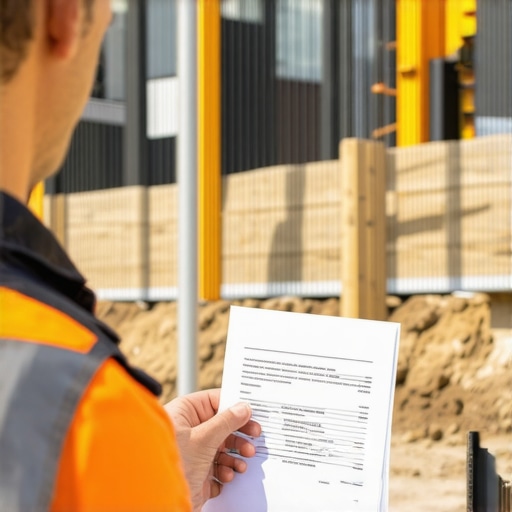
Keep comprehensive records of estimates, communications, and changes. This not only helps in tracking deviations but also provides a defensible position if costs spike. During my last project, detailed documentation helped negotiate change orders smoothly, preventing disputes and keeping costs under control.
Many homeowners and even some builders hold onto a common misconception: that initial estimates are pretty much accurate, and variations are solely due to unforeseen circumstances. But the truth is, most mistakes stem from undervaluing the complexity of the process itself. For example, it’s a myth that permits are simply a paperwork hurdle—really, they are embedded with nuanced regulations that can make or break your project timelines if misunderstood.
How Can Overlooking Permit Details Lead to Costly Mistakes?
This oversight isn’t just about additional fees. Poorly understood permit requirements for your specific locale can cause delays, penalties, or even legal issues, which silently inflate your budget. Experts suggest that one of the most overlooked aspects is the regional variability in regulations. A study by the National Association of Home Builders highlights that permit complexities can extend project durations by 20-30%, indirectly amplifying costs. To avoid falling into this trap, consult dedicated resources like permit process guides early in planning. Plus, engaging with local authorities or specialists ensures you’re not blind-sided. Even seasoned professionals sometimes forget that permits are not just for approval—they are part of a nuanced compliance landscape that varies significantly by municipality. Such misunderstandings often lead to either overestimating or underestimating costs, with the latter risking project halts or fines. Moreover, many believe that once permits are acquired, the paperwork is settled—that’s false. Continuing compliance requirements, inspections, and potential amendments can quietly escalate costs if not anticipated. Therefore, investing time in understanding your local regulations and building a relationship with permitting authorities pays dividends. Remember, professional guidance on permits isn’t just about avoiding fines; it’s about seamless project flow. If you’re curious about how to streamline this part of your project, visit permit acquisition tips for expert strategies. This nuanced understanding can be the difference between a smooth build and a budget nightmare. Have you ever fallen into this trap? Let me know in the comments.
Maintaining Your Construction Tools for Enduring Performance
When it comes to ongoing project management and ensuring long-term results, having the right toolkit is essential. I personally rely on advanced estimating software like PlanSwift for precise cost calculations. It allows me to update estimates efficiently as project variables change, which is vital for staying on budget over time. Regular calibration of measuring tools such as laser distance meters and moisture analyzers also ensures consistent accuracy, preventing costly mistakes during construction phases.
Leveraging Software for Better Project Oversight
Beyond estimation, project management software like Buildertrend helps me coordinate timelines, permit schedules, and subcontractor communications seamlessly. These platforms often integrate permit tracking modules, streamlining the approval process. As the industry progresses, I predict an increased adoption of AI-driven tools that analyze project data in real-time, providing predictive insights to prevent delays and overspending.
Building a Strategy for Longevity and Scaling
Long-term success depends on scalability. I advise creating a dynamic database of local permit requirements and building codes, which can be accessed via mobile devices on-site. For example, consulting local regulations like this resource helps avoid compliance issues during expansion or future builds. Incorporating modular design principles and flexible permit strategies enables projects to adapt to future needs without starting from scratch, saving time and money in the long run.
How do I maintain my tools and methods for sustained success?
Developing a routine for checking calibration, updating software, and reviewing building codes ensures your toolkit remains effective over years. I routinely schedule quarterly reviews of my estimation databases and conduct on-site tool calibrations, which minimizes errors and enhances productivity. As the field evolves, staying ahead with continuous learning about new permit procedures and construction techniques will keep your projects compliant and competitive. For advanced strategies, consider adopting cost estimation techniques that factor in regional variations and future trends. Ready to upgrade your toolkit? Try integrating a real-time project dashboard that consolidates estimates, permits, and schedules—it’s a game changer for managing construction at scale.
Lessons the Hard Way: Surprising Truths About Estimating Costs
Over the years, I’ve learned that the biggest pitfalls often come from assumptions we make early on. One eye-opening lesson was realizing how overlooked regional permit nuances could derail months of planning. Trust me, it’s the small details that can turn a manageable budget into a nightmare, so always dig deeper and question your estimates, especially the permit-related ones. Keeping an open mind and being adaptable to site-specific conditions has saved my projects countless headaches.
My Favorite Resources for Construction Precision
When it comes to refining estimates and understanding permit intricacies, I rely heavily on a few trusted tools and guides. Estimating software helps me stay aligned with regional costs, while permit guides provide clarity on local regulations. These resources have become my go-to for maintaining accuracy and efficiency, especially for complex projects that demand a meticulous approach.
Your Next Step Toward confident Building
The journey to mastering accurate project quotes isn’t just about tools or tips—it’s about cultivating a mindset of curiosity, diligence, and continuous learning. Every project teaches us something new, pushing us closer to perfection. So, start applying these insights today, reassess your processes, and don’t shy away from asking detailed questions. Your future self will thank you for the effort and precision you invest now. Ready to take your estimating skills to the next level? Remember, every well-calculated quote brings you one step closer to successful, stress-free construction projects.