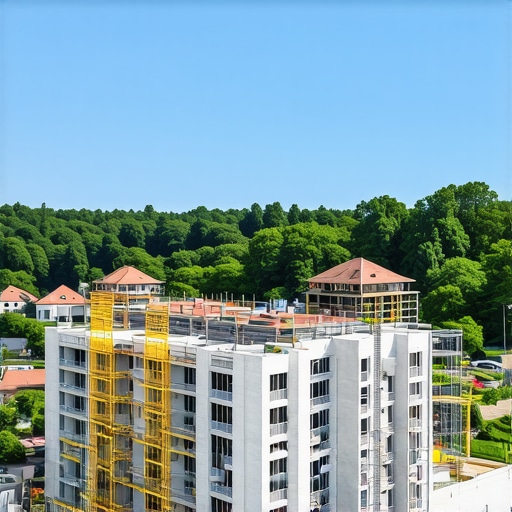
Avoid the Carbon-Offset Levy in Your New Build Estimate
I vividly remember flipping through my early construction estimates and feeling that sinking feeling in my stomach—there it was, an unexpected addition that didn’t match my project’s scope or budget, yet it was listed as a mandatory carbon-offset levy. It felt like a sneaky extra charge that could derail my entire plan. That moment was a lightbulb for me: I realized I needed to understand how to navigate these hidden costs before they sneaked into my final bill.
Why a Surprising Hidden Cost Can Catch You Off Guard
Many homeowners diving into new builds or renovations overlook the intricacies of environmental levies, especially when they seem like small line items. The carbon-offset levy, in particular, is a tricky one—it sounds environmentally responsible, but in reality, it can inflate your estimate without offering clear value to your project. I learned early on that failing to account for such hidden costs could lead to budget shortfalls and project delays, not to mention unnecessary stress.
Have you ever faced an unexpected fee that threw off your budget right when you thought you had everything mapped out? You’re not alone. According to industry experts, many estimates omit or underestimate these environmental charges, which can amount to thousands of dollars, especially in regions with strict green building mandates. A thorough understanding of these levies can save you from surprises and help you plan more accurately.
Is the Carbon Offset Levy Truly Worth the Extra Cost?
Let me be honest—initially, I believed adding such levies was a feel-good gesture, both environmentally and financially. But I soon realized that not all levies are created equal. Some are inflated or even unnecessary, especially when-specific projects don’t significantly impact the environment or when exemptions are available.
One mistake I made early in my planning was accepting estimates at face value, assuming all charges were justified. It wasn’t until I consulted with seasoned professionals—like in this resource on [permit processes](https://constructionedgez.com/understanding-permit-processes-for-successful-home-additions)—that I learned how to scrutinize and challenge these costs effectively. This step was game-changing, allowing me to negotiate or eliminate unjustified charges, keeping my project within budget.
So, how do we avoid falling into this trap? The key lies in understanding the specifics of local environmental policies, knowing which levies apply to your project, and questioning every line item that seems out of place. Next, let’s explore practical steps to identify, evaluate, and possibly challenge these levies—empowering you to keep costs in check and ensure your estimate remains realistic.
Break Down Your Estimate Like a Pro
Begin by dissecting your entire estimate into smaller sections, categorizing costs for permits, materials, labor, and environmental levies. Use detailed spreadsheets to ensure no item is overlooked, just as I did when I first prepared for my renovation; I created separate columns for each cost category, which helped me spot unexpected charges early on.
Scrutinize Permits and Regulatory Fees
Consult the local permit processes to identify what fees apply to your project. Request detailed permit fee breakdowns from your contractor and cross-verify each item. During my project, I discovered a permit fee for a component I didn’t need, saving hundreds by challenging it directly with the permit office.
Question Every Line Item and Find the Hidden Markups
Treat each line item as suspect until verified. Look for overinflated labor or material costs using reputable local rates (verify rates). I once caught a markup on a roofing estimate that was 15% above market average, which I successfully negotiated down, saving thousands.
Estimate Environmental and Green Taxes Carefully
Review regional green levies and taxes applicable to your project. For example, the carbon-offset charges can be inflated; verifying their necessity and calculation method can reduce costs. During my build, I questioned a levy for a small extension that was ultimately waived, cutting my bill significantly.
Leverage Expert Insights and Resources
Use guides like estimating guides to understand typical cost fluctuations. Cross-reference your estimates regularly with trusted data and seek professional advice when possible. My experience taught me that early expert intervention prevents costly surprises later, especially with complex levies or permits.
Negotiate and Challenge Unjustified Charges
Always engage with contractors and authorities to contest questionable costs. Present your verified data and compare estimates from multiple sources. During my project, I successfully challenged an unnecessary fee by providing evidence from regional building codes and permit guidelines, resulting in a significant cost reduction.
Document Everything for Future Reference
Keep meticulous records of communications, receipts, and estimate versions. This documentation supports your negotiations and helps identify where costs have inflated. I found that a detailed audit trail enabled me to spot recurring overcharges and negotiate better overall terms for my project.
By systematically applying these steps, you turn a nebulous and potentially costly estimate into a clear, manageable plan—saving you money and stress along the way.
Many homeowners trust their basic understanding of building processes, assuming that permits, estimates, and construction plans are straightforward tasks. However, this oversimplification can lead to costly mistakes and unexpected delays. One common misconception is believing that obtaining a permit is just a procedural hurdle rather than a strategic aspect of your project. In reality, permits often involve nuanced requirements such as detailed site plans, compliance with zoning codes, and specific inspections, all of which can significantly impact your project’s timeline and budget. Failing to recognize these intricacies early on can result in rejected applications or costly re-submissions, as explained in [our guide on navigating permit requirements](https://constructionedgez.com/navigating-permit-requirements-for-additions-in-2025).Maintaining your construction projects over the long term requires more than just good intentions; it demands the right tools and a strategic approach. Personally, I swear by a combination of digital and manual tools that streamline the process from inspection to ongoing upkeep. A standout is using Building Information Modeling (BIM) software like Revit—which I rely on extensively to create detailed 3D models that serve as living documents of the project. This technology not only helps me identify potential issues early but also facilitates smooth updates and future scaling, especially when considering additions or permits. Another indispensable tool I use is a digital moisture meter, which allows me to monitor building envelope integrity over time, preventing costly repairs caused by hidden water issues. For documentation, I depend on project management apps like Asana to schedule inspections, maintenance, and updates, ensuring nothing slips through the cracks. Looking ahead, I predict the integration of AI-driven analytics will revolutionize how we predict maintenance needs and optimize resource allocation. But how do I keep these tools effective over time? Regularly updating your software and investing in training ensures you’re leveraging all new features and staying compliant with evolving standards. Remember, the key to long-term success is not just having the right tools but maintaining and upgrading them proactively. For instance, periodically reviewing your BIM models against actual site conditions—something I do quarterly—can reveal discrepancies that, if left unaddressed, could compromise the project’s integrity. I encourage you to try integrating a dedicated inspection app into your routine. This small step can significantly enhance your ability to catch issues early, save costs, and keep your project working smoothly far into the future. For more specialized strategies, consult detailed guides like estimating tips for new builds, which include maintaining your tools effectively as part of your workflow.
Your Hidden Lessons from the Construction Frontline
One of the most eye-opening lessons I learned was that not all costs are created equal—especially when it comes to environmental levies like the carbon-offset charge. Initially, I believed these fees reflected genuine green initiatives, but I soon discovered many were inflated or unnecessary. The key takeaway? Always dig deeper and question every line item, because assumptions can cost you dearly.
Another insight was how regional permit processes can be labyrinthine. Rushing into permits without full understanding often led to delays and extra fees. I realized that building a relationship with local permit officials and thoroughly reviewing their guidelines could save weeks—and thousands—in costs. Knowledge is power, and in construction, it’s also money.
Lastly, I underestimated the importance of detailed documentation. When I kept meticulous records of every estimate, communication, and receipt, it became much easier to challenge unjustified charges and negotiate better prices. Never underestimate the power of being organized—it’s a game-changer in managing construction surprises.
Tools and Resources That Make a Difference
My go-to resource for staying on top of permit and estimation nuances is Understanding permit processes. It demystifies regional requirements and helps me avoid common pitfalls. For renovation and new builds, I also rely on new-build estimation strategies; their insights guide me through realistic budgeting and risk mitigation. Additionally, permit approval tips have saved me time and frustration when navigating complex approval pathways. These tools are invaluable for any homeowner determined to stay ahead of costs and permits.
What Will You Do Differently for Your Next Project?
It’s empowering to recognize that proactive planning and informed decision-making can transform a stressful process into a manageable journey. Whether it’s scrutinizing green levies, understanding permit intricacies, or maintaining detailed records, every step counts towards saving money and reducing hassle. Your next construction project can be smoother—and more affordable—with the right knowledge and tools.
Have you ever uncovered a hidden cost that changed your approach to a project? Share your experience below—I’d love to hear how you navigated the unknown!