
How to Spot Double-Billing for Debris Removal
I’ll never forget the day I promised myself I wouldn’t get taken for a ride again during a home renovation project. I had just wrapped up a significant debris cleanup after a sprawling backyard demolition, thinking I had everything under control. But when the final bill arrived, my stomach sank. There it was: a charge for debris removal that seemed suspiciously high, with no breakdown of costs or clear explanation. It felt like I was paying twice for what was essentially the same service.
Uncovering Hidden Charges in Debris Removal
This lightbulb moment made me realize an all-too-common pitfall: double-billing. Contractors or debris removal companies may sometimes include layered charges or inflate costs, either unintentionally or deliberately. As homeowners, we need to be savvy to identify these tactics and avoid paying more than necessary. Today, I want to share how I learned to spot double-billing effectively, saving myself hundreds of dollars and gaining confidence in managing my project costs.
Is It Really Worth the Hype or Justified? You Might Think So
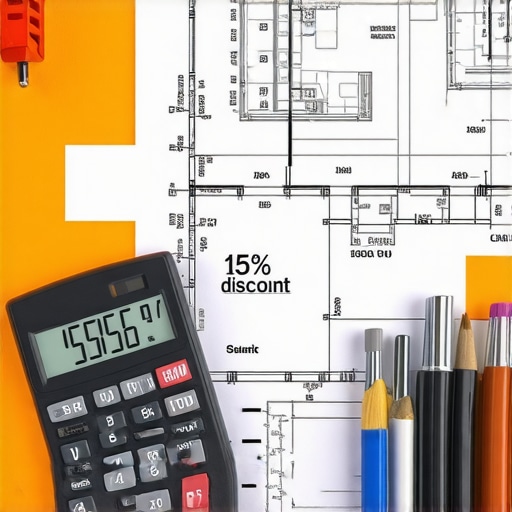
Early in my DIY journey, I bought into the belief that all charges were straightforward. I just accepted the invoice as-is, trusting that the contractor knew best. But I made a costly mistake: failing to scrutinize the itemized breakdown. It wasn’t until I dug into the details—comparing quotes and understanding standard debris removal practices—that I uncovered the overcharges. Quick tip: always ask for an itemized invoice and compare it against reputable estimates. For more in-depth insights into cost estimating, check out this guide on estimating costs.
Why does this matter today? Because with rising construction material costs and labor rates, homeowners can’t afford to pay more than they should. Recognizing double-billing not only saves money but also empowers you to negotiate confidently and keep your project within budget. Plus, understanding these tactics helps prevent being caught off guard when it comes time to settle the bill.
So, have you ever faced suspicious charges in your home improvement projects? If so, you’re not alone. Many homeowners miss these signs early on, only to realize later that they overpaid. The good news is, with a few simple steps, you can become an expert at spotting and stopping double-billing, turning the tables in your favor. Next, we’ll explore practical strategies to identify these sneaky charges before they hit your wallet.
Compare Estimates Rigorously
My first real breakthrough happened when I received a third-party estimate for debris removal after my backyard demo. Instead of accepting the contractor’s invoice at face value, I pulled up a trusted estimate from a reputable company. By laying both side by side, I spotted a suspiciously inflated debris hauling fee in the contractor’s quote—almost double what I expected. I immediately questioned this, leading to a renegotiation that saved me hundreds. To streamline this process, always request multiple quotes and compare line items with reputable sources. For in-depth guidance on estimating costs for home improvements, check out this resource.
Even seasoned homeowners and builders often fall prey to misconceptions that can lead to costly mistakes, especially when it comes to estimating, permits, and project scope. One widespread myth is that all costs involved in a home addition or new build are straightforward and based solely on square footage or material prices. In reality, the devil is in the details. Permitting processes, for example, are riddled with nuances that many overlook, such as zoning restrictions, structural requirements, and unforeseen site conditions. Overestimating or underestimating these factors can derail a project or inflate budgets unexpectedly.
A common trap is treating permits as mere formality rather than a critical aspect of project planning. Some assume that securing the permit is a quick step, but in truth, it involves understanding complex local regulations, potential conditions, and timelines. As experts highlight, failing to properly plan for permit acquisition can result in delays and increased costs. For a comprehensive understanding, review this detailed article on permits.
What most people get wrong is not recognizing the hidden costs associated with site-specific issues. For instance, soil conditions might seem trivial initially but can dramatically influence foundation costs and designs. A buried nuance involves the soil’s load-bearing capacity, which should be verified with thorough testing before finalizing estimates. According to a study by geotechnical experts, neglecting proper soil analysis can cause significant structural issues and budget overruns down the line.
Let’s pose an advanced question: How can proactive site assessments significantly improve the accuracy of your project estimate and avoid costly surprises? The answer lies in diligent preliminary evaluations—think beyond superficial inspections. Investing in detailed soil tests, utility surveys, and code compliance checks is essential. These steps help uncover hidden complexities that, if left unaddressed, can turn a simple addition into a financial nightmare.
An often-overlooked aspect is estimating labor and material costs for modern standards. For example, energy-efficient systems and sustainable materials, while beneficial, typically come with a premium that many underestimate in initial budgets. For expert insights on integrating these factors, visit this comprehensive guide.
Finally, remember that the simplest quote isn’t always the best indicator of true costs. Contractors might exclude certain fees or assume standard conditions that don’t apply to your project. As the saying goes, “trust, but verify.” A detailed, itemized estimate that accounts for permits, site conditions, and material variations is your best safeguard.
Have you ever fallen into this trap? Let me know in the comments. Mastery over these nuances transforms the project from a gamble into a strategic venture, ensuring you avoid surprises and stay within your budget from start to finish.
Keep Your Projects Running Smoothly with the Right Tools
Over time, maintaining your home improvements requires both reliable equipment and a good strategic approach. Personally, I’ve found that investing in quality power tools like the Milwaukee M18 Cordless Impact Driver has significantly reduced my recurring frustrations. Its versatility and durability allow me to handle everything from installing fixtures to minor repairs without switching tools. Additionally, I always keep a digital maintenance log using Trello, which helps me schedule routine inspections and track replacement dates for critical equipment like HVAC filters or roof shingles. This proactive approach ensures my systems remain efficient and prevents costly breakdowns.
How do I maintain my tools and systems over time?
Consistency is key. Regularly cleaning tools after use prevents deterioration, and lubricating moving parts extends their lifespan. For home systems such as HVAC, changing filters every three months and scheduling annual inspections with certified technicians keeps everything running efficiently. Equipping yourself with monitoring software like Home Assistant can also alert you to system issues early, saving money and stress in the long run. Looking ahead, I predict that smart maintenance devices will become more affordable and integrated, making DIY upkeep more accessible for everyone.
Embrace the Right Software for Estimating and Planning
Using advanced software like Construction Master Pro offers precise measurement calculations, which have saved me countless times from costly errors. I rely on it not just for initial estimates but also for tracking project modifications and material requirements as the work progresses. When paired with cloud solutions such as Buildertrend, it allows real-time collaboration with contractors and suppliers, which is invaluable for long-term project management. These tools help me anticipate potential delays or cost overruns early, giving me the ability to adjust plans proactively.
Final tip: Incorporate routine system checks into your schedule.
By establishing a weekly or monthly maintenance routine, you can catch issues before they escalate. For example, inspecting your gutters for blockages or testing smoke alarm batteries ensures safety and efficiency. Remember, the goal is to keep everything functioning smoothly, reducing the likelihood of unexpected failures that derail your projects. For detailed techniques on estimating costs that factor in ongoing maintenance, consider reviewing this comprehensive guide on estimating costs. Start adopting a maintenance rhythm today, and your home investments will pay off for years to come.
The Most Valuable Lesson: Don’t Assume You Know It All
One of the biggest insights I gained was that even seasoned homeowners can fall prey to common misconceptions about costs and permits. I realized that trusting estimates blindly or rushing through permit acquisitions often leads to unexpected expenses or delays. The key takeaway was to embrace a mindset of continuous learning and skepticism—question every line item and seek multiple opinions. This approach empowered me to catch hidden charges early and negotiate effectively, transforming what seemed like overwhelming unfamiliar terrain into manageable steps.
Tools and Resources That Made a Difference
Over the years, I’ve relied on a few tools and sources that you might find equally helpful. For detailed estimation processes, this guide on estimating costs for new builds has been invaluable. For understanding permit intricacies, this resource on permit processes clarified many complex steps. Additionally, software like project management tools helped me keep everything organized and on track. Trusting these trusted resources provided confidence and peace of mind throughout my projects.
Taking Action: Your Next Step in Home Renovation Success
Remember, mastery comes from being proactive and informed. Whether you’re estimating costs, navigating permits, or managing new builds, adopting a strategic mindset will save you time, money, and stress. Start by requesting detailed, itemized quotes and comparing several estimates before proceeding. Educate yourself on local permitting requirements to avoid costly delays. Most importantly, stay curious and persistent—your dream home is well within reach if you approach it with knowledge and confidence. Now, I invite you to share your experiences: have you ever uncovered hidden charges or encountered permit surprises? Let’s learn from each other’s journeys in the comments below.