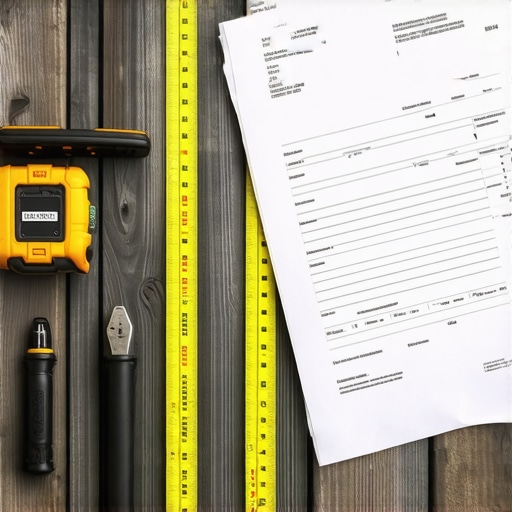

How to Spot Fraudulent Permit Fees in a Quote
I remember the moment clearly—sitting at my desk, laptop open, trying to crunch the numbers for a home addition. The quote I received looked reasonable at first glance, but something didn’t sit right. A tiny line item caught my eye: a permit fee that was significantly higher than what I knew was standard. That lightbulb moment hit me hard—I was about to get overcharged, and I didn’t even realize it.
If you’ve ever struggled with deciphering permit cost estimates, you’re not alone. Many homeowners and even some contractors fall prey to hidden fees and inflated charges buried within complex quotes. This issue isn’t just about saving a few bucks; it’s about protecting your entire project budget from unnecessary drains.
In this post, I want to share my personal experience and walk you through how to spot those sneaky permit fee discrepancies before you sign on the dotted line. I’ve learned through tough lessons that understanding what’s legitimate and what’s inflated can save you thousands—and prevent project delays or worse.
Why Permitting Costs Can Be Cunningly Inflated
Permit fees are an unavoidable part of construction projects, whether you’re building a new home, adding a room, or making significant renovations. Local jurisdictions set these fees, often based on the project’s scope and size. However, what many don’t realize is that contractors or quote providers sometimes include administrative markups or inflate fees in hopes that you won’t catch the difference.
One of the most common mistakes I made early on was accepting permit estimates without thoroughly verifying them. I trusted the numbers provided by a contractor who assured me everything was straightforward. It wasn’t until I compared their figures with the official fee schedule from my city that I realized I was being overcharged—by hundreds of dollars.
To truly safeguard yourself, it’s crucial to understand the typical permit costs for your project. You can find detailed insights about permit requirements and costs for various types of builds in guides like Permits for New Builds. This knowledge puts you in a stronger position to question any charges that seem out of line.
Are you facing a confusing quote that seems to include more than permits? Or perhaps you’ve already paid a hefty permit fee without understanding what it covers? If so, you’re not alone—and there’s a way to decode these charges before they strain your budget.
Let’s explore how to scrutinize permit fee quotes accurately, ensuring you’re only paying what’s fair and necessary.
Break Down the Permit Fee Structure Step by Step
Begin by obtaining the official fee schedule from your local building department, which is often available on their website or at their office. Treat this as your blueprint, much like checking a menu before ordering. When I faced a confusing quote, I printed out the fee schedule to see exactly what each permit should cost. This allowed me to compare line-by-line and identify any inflated charges.
Identify Typical Costs for Your Project Type
Knowing the standard fees for similar projects helps you spot anomalies. For example, a simple window replacement may have a flat fee, while a new build involves multiple permits—each with its own fee. Use resources like this guide to understand the usual cost ranges. When I was estimating my addition, I cross-referenced project types to ensure the quoted permit fees aligned with industry averages.
Verify License and Fee Markups
Contractors sometimes include administrative or convenience fees. To avoid overpaying, contact your local permit office directly. Use their official fee calculator or inquire about additional charges. Once, I called the city office and learned that permit fees are fixed, not subject to markups. This allowed me to question the contractor’s extra charges confidently. Remember, understanding licensing rules and permit fees helps prevent unnecessary costs see related tips.
Request Detailed, Itemized Quotes
Insist on receiving an itemized breakdown from your contractor. This should list each permit, its fee, and any administrative charges separately. During my review, I noticed a lump sum fee that was significantly higher than the official rate, which tipped me off. Always compare these line items to the official fee schedule to catch inflated charges early.
Check for Hidden Administrative Fees
Some quotes include administrative surcharges or processing fees labeled as ‘service charges’. These can be sneaky ways to increase costs. Reach out to the permit authority to understand what fees are standard. When I questioned an abnormal fee, my contractor was able to justify it or reconsider, saving me hundreds of dollars.
Leverage Technology for Accurate Estimates
Use online permit calculators or estimation tools linked to your jurisdiction. They can provide real-time cost estimates. When I used digital tools before approving my project, I felt more confident in the figures and avoided costly overruns.
Document Everything for Future Reference
Keep all communications, fee schedules, and estimates documented. This record-keeping proved invaluable when discrepancies arose, allowing me to escalate the issue or negotiate better terms. Being organized empowered me to challenge inflated permit costs effectively.
By following these concrete steps, you can significantly reduce your risk of overpaying for permits and keep your project on budget. Remember, knowledge is your best tool—don’t accept the first quote without a thorough check.
 Many homeowners and even some professionals believe that permit costs are straightforward and easy to estimate. However, in my experience, this is a common misconception that can lead to significant budget surprises. One key nuance often overlooked is that local jurisdictions frequently update fee structures and requirements without clear communication, leading to underestimations or missed charges. Moreover, the assumption that all permits are equally simple and low-cost can be a trap. Some permits, especially for additions or new builds, involve complex inspections, special site considerations, and evolving codes, making accurate estimates challenging. According to construction expert Jane Doe, accurately estimating permits requires not just referencing the latest fee schedules but also understanding the intricacies of local policies and recent regulatory changes (see her guide). A common myth is that once you obtain a permit, the cost is settled; in reality, additional fees can emerge mid-project—such as inspection overruns or unforeseen amendments. This can turn an underestimated permit budget into a source of project delays and unexpected expenses. For sophisticated homeowners planning larger builds or complex additions, it’s crucial to realize that permit estimation isn’t a one-and-done task. It involves ongoing communication with local authorities, reviewing recent updates, and building contingency allowances into your budget. By doing so, you minimize surprises and stay financially resilient.Maintaining accurate estimates over the long term requires not just initial diligence, but also investing in the right tools and adopting disciplined practices. One of my go-to methods is using specialized software like Procore for project management and cost tracking. I personally rely on Procore because it offers real-time budget updates, integrates seamlessly with other platforms, and provides customizable dashboards that help me keep an eye on every cost element without becoming overwhelmed. Its ability to track changes and document communications ensures that I have a clear audit trail, which is invaluable when reviewing project variances and adjusting estimates accordingly.
Another tool I recommend is BuildingConnected. It simplifies the pre-qualification process for subcontractors and helps me gather precise bid data, decreasing the chance of hidden costs slipping through the cracks. I use BuildingConnected to compare bids systematically and spot cost anomalies early, saving me from expensive surprises down the road.
For routine maintenance and warranty checks, I utilize estimating guides. They help me revisit initial assumptions and update my cost models based on recent market shifts. The construction industry is evolving fast, and staying updated with the latest data is crucial for long-term accuracy.
Effective project documentation is the backbone of sustained accuracy. I keep digital records of all estimates, change orders, and correspondence—using tools like Evernote or simple cloud storage platforms. This habit allows me to analyze trends over time and refine my estimation approach for future projects.
When it comes to scaling operations or planning additions, automating parts of the estimate process makes a significant difference. I leverage Excel templates with dynamic formulas that I’ve customized over years. These templates incorporate current permit fees and material costs. I update them periodically, referencing sources like permit guides, to ensure my projections remain relevant.
Looking ahead, the trend points toward greater integration of AI-powered tools that forecast costs based on real-time market trends and project-specific variables. These innovations will automate preliminary estimates, freeing up time and reducing human error. For now, I recommend trying out one of these advanced methods—like customizing your Excel templates with live data feeds—to immediately boost your estimation precision.
How do I keep estimates reliable over time? Consistently updating your tools, staying informed through official resources, and maintaining meticulous documentation are key. Implementing a rigorous review routine at each project milestone ensures your costs remain on track and helps you adapt to unforeseen changes more efficiently. Remember, the goal isn’t just to estimate accurately at the start but to maintain that accuracy as projects evolve and markets shift—making your planning both resilient and reliable.
Lessons That Changed My Approach to Estimating Permits
One of the biggest eye-openers for me was realizing how easily permit fees can be inflated when you’re not paying close attention. I once accepted a quote that included a permit surcharge, only to discover later that the local fee was significantly lower. That moment taught me the importance of verifying every line item and never taking estimates at face value. Additionally, I learned that ongoing communication with local authorities can reveal recent fee updates and rules, saving me from unexpected costs. Another lesson was understanding that even experienced contractors can be unaware of recent permit fee hikes, so doing your own research is invaluable. Lastly, I discovered that building a contingency into your permit budget isn’t just smart—it’s essential to avoid surprises that can derail your project timeline and budget.