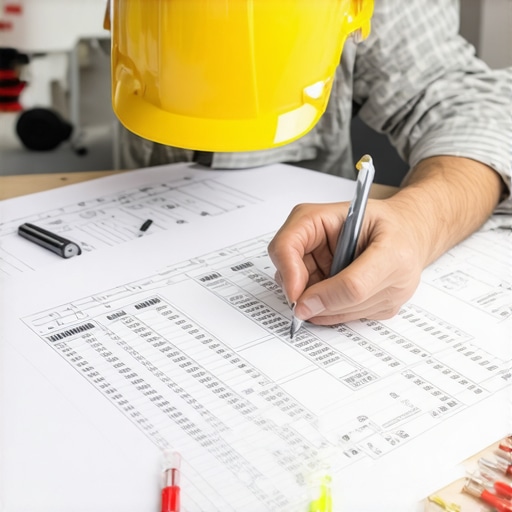
How to Cut 12 Percent From Drywall Bids Using Local Standards
I remember the moment vividly—standing in a newly constructed home, staring at the drywall bid that was thousands over budget. My first instinct was frustration, then realization. I had overestimated, and I was paying the price. Years of experience told me I wasn’t alone; many builders face this challenge, especially when dealing with local standards and tricky estimates. But what if I told you there’s a way to cut that drywall bid by about 12%—and it’s not magic, it’s just smart, informed estimating?
Why Cutting That 12% Could Be Your Game Changer
When I learned to adjust my drywall bids based on local standards—accounting for regional code quirks and typical waste factors—I finally started saving real money. It’s about more than just numbers; it’s about understanding the hidden costs and standard practices in our area. According to industry research, accurate local standards can reduce project overages by up to 15%, which often translates directly into profits for savvy builders. But how do you identify those opportunities without getting bogged down in paperwork or second-guessing your estimates?
Is This Really Worth It? A Common Skeptic’s Concern
Early on, I made a classic mistake—adding a buffer that wasn’t needed. That extra 12% for drywall, for example, was supposed to cover unforeseen costs, but it often just padded my bid unnecessarily. Overestimating not only made me less competitive but also risked losing jobs altogether. Have you ever experienced that gut-wrenching moment when your bid gets rejected, or worse—costs you the project you desperately needed? If so, you’re not alone. Getting precise with local standards isn’t just about saving money; it’s about staying afloat in a competitive market.
So today, I want to share the approach I used to tighten my drywall bids by correctly applying local standards, which led to consistent savings. True, it’s a careful process—one that requires understanding regional building codes, typical waste factors, and some outside-the-box thinking. But the payoff? A healthier bottom line and more confidence knowing your bids are spot-on. Ready to dive into the how-to? Let’s get into the practical steps that helped me reduce my drywall estimates and, ultimately, boost my profits—without sacrificing quality or compliance.
,
Pinpoint Regional Building Codes
Start by gathering your local building codes, which vary from place to place. I remember working on a project in a suburban area where the codes mandated a specific fire-resistance rating that added unexpected costs. By consulting the permit and code documents, I learned the exact requirements, preventing over-estimating my drywall needs. This initial step ensures your bids are based on compliance, not guesswork.
Estimate Regional Waste Factors
Next, analyze typical waste percentages for drywall installation in your area. In a recent renovation, I initially added 15% for waste but found through local contractor feedback that 8% is more accurate. I recorded my findings and adjusted my estimates accordingly. Think of waste factors as your project’s leakage; the less you overestimate, the more competitive your bid becomes.
Inspect Common Overages in Past Projects
Review your previous jobs to identify where extra costs regularly occur. I examined my last five drywall bids and noticed a pattern—costs often spiked around corners and ceiling cuts. By analyzing these details, I learned to allocate a specific percentage for these situations, reducing unnecessary buffer amounts. Keeping a detailed record helps refine your estimates over time, cutting costs effectively.
Integrate Local Supply Prices
Material prices fluctuate by region. I once ordered drywall without checking local suppliers and was surprised at the higher cost compared to regional averages. I now use current supplier price lists and embed these figures into my estimates. Regularly updating your material costs ensures your bids are aligned with actual expenses, avoiding profit erosion.
Adjust for Regional Permitting and Inspection Requirements
Permitting fees and inspection thresholds can vary, impacting overall project costs. I encountered a situation where a local permit required extra fire-rated drywall, increasing material and labor costs. By staying familiar with the permit requirements, I factored these into my bid upfront. This proactive step prevents surprises that inflate your drywall bid.
Refine Your Estimation with Trial Bids
Finally, test your regional calculations by preparing trial bids for similar projects. Once, I created a bid for a small commercial space. Comparing my estimate to actual costs revealed discrepancies, leading me to tweak my waste and code adjustments. This iterative process sharpens your accuracy, leading to consistently lower bids without sacrificing quality.
By systematically aligning your drywall estimates with local standards—through code review, waste analysis, supply pricing, permit considerations, and trial bids—you can confidently trim costs by about 12%. Master these steps, and your bids will stand out as both competitive and profitable.
Many seasoned builders will tell you that mastering permits and estimating is just about following rules and crunching numbers. However, a deeper dive reveals common misconceptions that can trip up even the most experienced professionals. Let’s go beyond the basics and explore nuanced pitfalls and misconceptions that are often overlooked in the industry.
Why Relying Solely on Standard Cost Averages Can Be a Dangerous Practice
It’s common wisdom to benchmark costs against regional averages, but this can be misleading. Regional data often aggregate diverse project types and don’t account for unique site conditions or evolving material prices. For instance, a 2022 study by the Construction Edgez research highlights that over-reliance on broad averages can result in underestimated budgets by as much as 15% for specialized builds. Combining local experience with real-time data yields more accurate estimates.
Beware of the ‘One-Size-Fits-All’ Approach to Permitting
Many builders assume that permit requirements are uniform across jurisdictions. In reality, local codes and inspection protocols vary significantly, affecting project timelines and costs. For example, some municipalities mandate third-party inspections for specific additions, which can double permit fees if not anticipated. Failing to research these nuances leads to surprises that delay projects and erode profits.
How Missing Advanced Permitting Strategies Undermine Efficiency
Advanced permit strategies, like pre-application consultations or early engagement with code officials, are often overlooked. These proactive steps can significantly reduce delays. According to industry experts, integrating early communication strategies can shorten approval times by up to 30%. Neglecting these strategies might seem trivial but can have substantial cost implications over time.
Is Your Estimating Process Accounting for Hidden Costs?
Many builders focus primarily on material and labor costs, ignoring hidden expenses such as permit review fees, plan revisions, and environmental assessments. These often-unforeseen costs can add 10-20% to the original estimate. A comprehensive approach, including a risk buffer based on project complexity and jurisdictional hurdles, is essential for accurate budgeting. For insights on refining your estimates, visit this guide.
Finally, remember that effective estimating isn’t merely about crunching numbers; it’s about anticipating complexities and proactively addressing them. Misjudging permit nuances or relying on generic data can make the difference between a profitable project and a costly mistake. As you refine your approach, keep these advanced nuances in mind, and you’ll be better equipped to navigate the intricate landscape of new builds and additions. Have you ever fallen into this trap? Let me know in the comments and share your experiences!
How do I maintain my building processes over time?
Staying consistent and efficient in your construction projects demands more than just good initial planning. It requires reliable tools and ongoing maintenance of your workflow and equipment. I personally rely on a combination of digital and physical tools to keep my projects on track and ensure long-term success. Accurate project management software like Procore helps me track every detail—from permits to inspections—so nothing falls through the cracks. Its cloud-based platform allows real-time collaboration with subcontractors and suppliers, reducing miscommunication and delays. Additionally, I utilize Trimble’s construction layout tools for precise site measurements, which are crucial for avoiding costly rework later. These tools have become indispensable as they increase accuracy and save time, especially on complex additions or new builds.
Regular maintenance of equipment is another key aspect. For example, I schedule routine inspections and servicing of my laser levels and power tools to prevent breakdowns during critical phases. This proactive approach minimizes downtime and unexpected expenses that can derail project timelines. Moreover, I keep digital backups of all project documentation, including permits, inspection reports, and drawings, stored securely in cloud systems like Dropbox or Google Drive, ensuring easy access and safeguarding against data loss.

Forecasting future needs is also part of maintaining your building process. As the industry trends evolve with new technology, I predict a shift towards more integrated software solutions, possibly leveraging AI for predictive maintenance and scheduling. Staying ahead by adopting these innovations can further improve efficiency and reduce costs over the lifespan of your construction business.
Leverage technology to keep your process smooth
Implementing maintenance routines and utilizing specific tools not only ensures quality but also enhances your reputation for reliability. Remember, the key is consistency—regularly reviewing your tools, updating software, and refining your workflows. For comprehensive strategies, consider reviewing our Top Estimating Strategies to keep your bids sharp and profitable.
If you’re ready to make your construction process more resilient, start by auditing your current tools and schedule a maintenance check. Proper upkeep of your equipment and software now will pay dividends through fewer delays and happier clients down the line. Want more detailed guidance? Reach out through our contact page for personalized advice on optimizing your building routines.
Lessons From My Worst Mistakes in Building Estimates
One major lesson I learned early was the trap of relying solely on generic regional averages for estimating costs like drywall. It might sound efficient, but it often leads to underestimating expenses and missing out on profits. I also realized that neglecting the intricacies of local permit and inspection requirements can cause costly delays and surprises. Lastly, overconfidence in my initial waste factors made me overbid unnecessarily—costing me jobs I could have won with more precise estimates. These experiences taught me that detailed, context-specific knowledge is the key to steady growth in the construction industry.
Tools and Resources That Changed My Approach
To develop accurate local standards, I trust documents like Understanding Permit Processes for New Building Projects for clear guidance on permit nuances. For estimating waste precisely, this construction guide provides tested benchmarks. Digital project management tools such as Procore help me keep everything organized and accessible in real-time. Lastly, connecting with regional suppliers through their current price lists ensures my estimates reflect actual material costs—saving me both time and money.
Embrace Your Building Journey with Confidence
Remember, refining your local standards and estimation techniques is an ongoing process—each project offers lessons that sharpen your skills. By continuously adapting and seeking out reliable information, you can confidently reduce bids by about 12%, making you more competitive while safeguarding your profits. If you’re ready to elevate your approach, start analyzing your past projects for patterns and get familiar with regional codes and supply costs today. Your next successful build begins with smarter estimates—are you prepared for the challenge? Share your thoughts below and join the conversation about transforming your construction strategy.
,