
The Double-Billing Trick Contractors Use for Waste Removal Quotes
Ever found yourself staring at a waste removal invoice that seemed a little too high, wondering if you missed something? I remember the first time I was blindsided by an unexpectedly hefty charge for debris disposal during my home addition project. It was a lightbulb moment—realizing that some contractors might be using a sneaky tactic called the double-billing trick, where charges for waste removal are inflated or billed twice without your knowledge.
Why This Hidden Game Could Cost You Thousands
Imagine you’re in the thick of a renovation, excited about the progress, only to open your invoice and see a line item for waste removal that’s significantly higher than you expected. You think, “Maybe I misjudged the amount of debris,” but later, you learn that the contractor might have secretly inflated those costs, applying double billing to maximize their profit. This isn’t just a one-off mistake; it’s a common trick that can drain your budget and turn a manageable project into a financial nightmare.
According to industry experts, deceptive billing practices like double billing are among the top reasons homeowners end up paying far more than they initially agreed upon. A study by the Better Business Bureau found that nearly 30% of contractor disputes involve inflated costs, often related to waste removal or permit fees.
The good news? You don’t have to fall prey to this tactic. Today, I’m going to guide you through the common signs of double billing for waste removal and show you how to protect yourself from overcharges. Understanding these pitfalls can save you thousands and give you more control over your project’s costs.
Is Overbilling for Waste Removal Really That Common?
I’ll admit, early on, I made the mistake of trusting a contractor’s quote without digging deeper. That oversight cost me dearly… but it also taught me a valuable lesson. If I had known more about the sneaky billing tricks, I could have negotiated better or spotted the signs early. That’s why I want to arm you with the knowledge to recognize these tactics.
If you’ve experienced unexpected charges or suspect that your contractor is inflating waste removal costs, you’re not alone. Asking the right questions and understanding typical billing practices can make all the difference.
Let’s dive into what you need to look out for and how to ensure your waste removal costs are fair, transparent, and accurately billed. Prepare to take the guesswork out of your project estimates and avoid those nasty surprises.
Start with a Precise Waste Disposal Estimate
Before breaking ground, obtain detailed estimates specifically for waste removal. Request contractor quotes that itemize debris disposal costs and compare them with industry-standard rates. When I planned my basement renovation, I asked multiple contractors for such estimates, which helped me spot inflated charges early on. Use resources like this guide to understand typical cost ranges. Having a clear baseline makes it easier to identify discrepancies in the final bill.
Implement Contract Clauses that Limit Charges
Add specific clauses to your contract that cap waste removal costs. For example, agree to a fixed fee or a maximum allowable expense. During my kitchen extension project, I negotiated a clause limiting waste removal to a set sum, preventing unexpected overcharges. This proactive step ensures contractors can’t inflate charges under vague terms. Review sample clauses and professional advice at this resource for guidance on effective contractual language.
Demand Detailed Invoices with Supporting Documentation
Always request invoices that break down waste disposal fees. They should specify quantities, service dates, and unit costs. When my driveway repaving was complete, I scrutinized the invoice and spotted a double charge for a disposal container—an error I quickly challenged with my contractor, saving hundreds. Keep copies of all invoices and evidence of waste volume estimates. This documentation arms you during disputes and helps detect double billing or inflated charges. Find out more about invoice verification techniques at this article.
Check for Hidden Fees and Surcharges
Be vigilant for obscure line items like surcharges for special waste, expedited services, or fuel surcharges. During an office renovation, I discovered a miscellaneous fee labeled as “hazardous waste surcharge” that was unnecessary. Clarify the nature of every fee before approval. Request explanations for any charges outside standard disposal rates. If something seems suspicious, refer to reputable industry benchmarks or consult waste management regulations at this resource to understand what charges are justified.
Utilize Technology to Monitor Waste Volumes
Employ digital tools or apps to estimate the debris amount during demolition or construction. By documenting waste quantities with photos and digital logs, you create a reference point for invoices. I used a simple app to log debris during my garage addition, which made it easier to challenge inflated charges. Additionally, consider arranging independent waste audits for large projects to verify contractor estimates and invoices. Connecting with industry experts through this contact page can facilitate such services.
Review and Dispute Excessive Charges Promptly
Once you receive the invoice, compare it against your initial estimates, waste logs, and contractual limits. Don’t hesitate to challenge charges that appear inflated or unsupported. During my recent workshop remodel, I identified a charge for 50% more debris than we generated. I raised the issue immediately, and the contractor adjusted the bill, saving us several hundred dollars. Staying vigilant and acting swiftly prevents unnecessary expense accumulation. For sample dispute templates, visit this page.
By systematically implementing these steps—detailed estimates, contractual caps, invoice scrutiny, fee verification, technological aids, and prompt disputes—you position yourself to prevent double-billing and excessive waste removal charges effectively. Each action not only safeguards your budget but also empowers you with control over your project finances.While most homeowners believe they understand the basics of permits and estimating for new builds or additions, the real pitfalls lie in the nuances that even seasoned DIYers often overlook. One common misconception is assuming that permit processes are purely bureaucratic hurdles; in reality, they are strategic tools that, if misunderstood, can derail your entire project. For example, many rely on outdated permit requirements, failing to recognize that local regulations evolve yearly, impacting everything from setback distances to energy code compliance. Consulting expert resources like this guide can keep you ahead of the curve.
Furthermore, estimating costs isn’t just about adding up material and labor—it’s about understanding the hidden factors that influence final prices. A prevalent myth is that once you get a quote, the project is financially locked in; however, many estimates neglect potential hidden fees such as parking surcharges, permit review fees, or neighborhood assessments. Advanced homeowners will dive into this resource to learn how to incorporate these variables into their budgets.
As for new builds, a frequent mistake is assuming that the lowest bid guarantees the best value. The true secret lies in scrutinizing each line item meticulously, especially those related to permit expedites or specialized inspections. A surprising insight is that rushing permits by paying additional fees may inadvertently incur more costs down the line if it results in rework due to overlooked compliance issues. Experts advise adopting a comprehensive approach, blending strategic planning with detailed estimation techniques. You can explore this article for advanced estimation tactics.
### How can failure to account for regional variances and hidden fees sabotage your project?
In my experience, overlooking regional zoning differences and associated hidden costs—like soil testing surcharges or environmental levies—can dramatically inflate your project budget. A study by the National Association of Home Builders emphasizes that up to 25% of project overruns stem from unanticipated permit or regional regulation costs. The key is proactive research and early consultation with local authorities, which can be facilitated through platforms like this contact page. Don’t fall into the trap of complacency—your project’s success depends on preemptive knowledge and detailed planning. Have you ever fallen into this trap? Let me know in the comments.
Keep Your Projects Running Smoothly with the Right Tools
Maintaining momentum and quality during home construction or renovation relies heavily on the tools and methods you choose to implement. As someone who has navigated the complex world of permits, estimating, and project management, I can attest that the right equipment and software make all the difference. One of my favorite tools is Buildertrend, a project management platform that integrates scheduling, budgeting, and communication. It’s especially useful for tracking ongoing permit statuses and ensuring that any additions or modifications stay within approved parameters, preventing costly delays.
Beyond software, having precise digital measuring tools like laser distance meters (e.g., Leica Disto) helps ensure accurate site measurements, reducing mistakes that could lead to permit rejections or structural issues. During my last project, I used a Leica Disto to verify setbacks, which saved countless hours and avoided potential permit refusals.
For estimating costs and managing budgets over the long term, I rely on specialized estimation software that integrates regional data, permits, and potential hidden fees. This approach not only streamlines initial budgeting but also helps monitor costs during the build, catching deviations early.
If you’re planning a large addition or new build, consider adopting a digital twin model—creating a virtual replica of your site and plans. This technology, supported by platforms like Autodesk Revit, allows for simulations and clash detection, reducing errors, and ensuring all components fit perfectly before breaking ground. As the industry moves more toward automation and digital integration, mastering these tools will position you ahead of the curve.
How do I maintain these tools over time?
Regular calibration of measurement devices, software updates, and ongoing training are essential. I schedule quarterly reviews of my project management systems and keep all software subscriptions active. Visiting resources like this contact page can connect you with expert consultants for advanced tool integrations and troubleshooting. Remember, investing in proper maintenance of your tools ensures they remain accurate and reliable for every phase of your project.

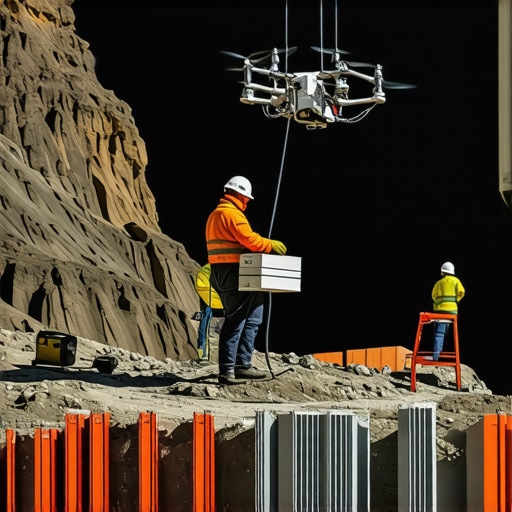
Imagine a well-organized construction site with digital devices and software screens displaying project data—this visual represents the future of home building and renovation management.
What I Wish I Knew Before Starting My Home Addition
One of the most valuable lessons I learned was the importance of meticulous planning and understanding hidden charges like double-billing for waste removal. I once trusted a contractor’s estimate without detailed scrutiny, only to find inflated charges that drained my budget. That experience taught me to always request detailed, itemized invoices and to negotiate contractual caps on potential extra costs, especially for waste disposal and permit fees. Implementing these steps turned my project from a financial surprise into a manageable process, and I hope it helps you avoid similar pitfalls.
My Toolkit for Smarter Building Choices
Over the years, I’ve relied on various tools and resources that have transformed my approach to construction management. Platforms like estimating software provide regional data and help identify hidden fees, saving me from overestimating or underestimating costs. I also use digital measurement gadgets, such as the Leica Disto, which ensures precise site measurements and avoids costly permit rejections due to incorrect setbacks. Additionally, consulting detailed guides like this permit process overview keeps me aligned with current regulations. These resources empower me to make well-informed decisions at every stage.
Take Charge of Your Building Dreams
Construction and renovation projects are complex, but they’re also incredibly rewarding when you’re equipped with the right knowledge and tools. By understanding common pitfalls like double billing and hidden fees, you gain confidence to negotiate effectively and protect your budget. Remember, the key is proactive research, thorough documentation, and staying vigilant throughout the process. Whether you’re planning a simple addition or a full-scale rebuild, your dedication to learning and applying these strategies will pave the way for success. Ready to turn your home improvement dreams into reality? What step will you implement first? Share your plans below—I’d love to hear about your journey and support your growth!