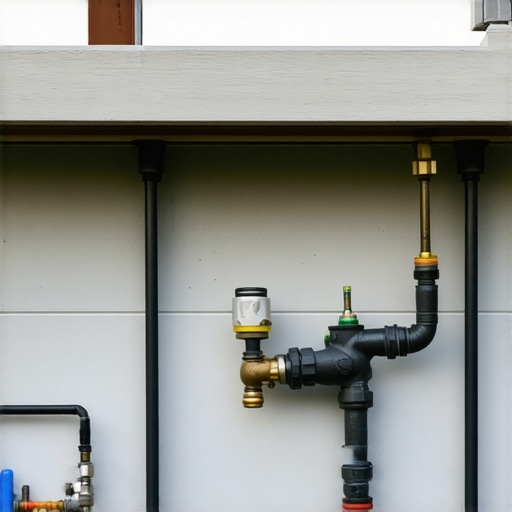
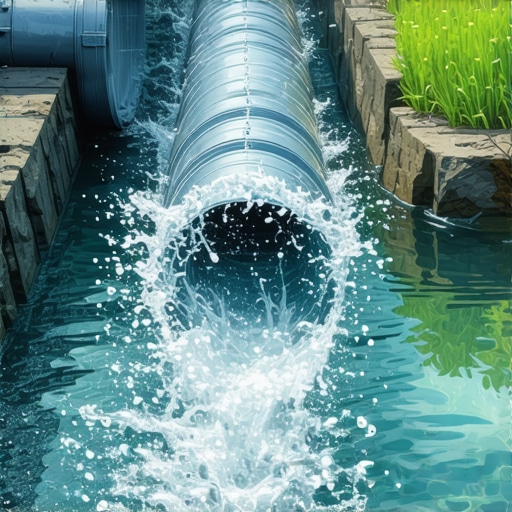
The Sump Pump Discharge Rule Your City Enforces
Ever had that sinking feeling when your sump pump kicks on during a heavy rainstorm, and suddenly you’re worried about your property’s compliance with local regulations? I vividly remember the moment I realized my backyard drain was violating city rules—that lightbulb moment that made me rethink everything about my drainage system. It’s frustrating, stressful, and downright confusing when you’re trying to protect your home while also respecting the rules that are meant to keep everyone safe and environmentally sound.
Why the Discharge Rule Matters More Than You Think
The sump pump discharge rule isn’t just another bureaucratic checklist; it’s designed to prevent flooding, protect groundwater, and ensure property safety. If I learned anything early on, it’s that ignoring these regulations can lead to costly fines, insurance issues, or worse—damage to your foundation. And trust me, it’s not just about avoiding penalties; it’s about doing right by your neighborhood and the environment.
Ready to Get It Right the First Time?
Today, I’ll walk you through exactly how to understand your city’s specific discharge requirements, how to check if your existing system complies, and the simple steps to fix common issues. By the end, you’ll feel confident managing your sump pump’s discharge and avoid the pitfalls I faced early on.
If you’ve ever experienced sump pump backflow during a storm or been unsure if your drainage setup is up to code, you’re not alone. Many homeowners overlook these details—only to pay the price later. The good news is, with some guidance and a little know-how, you can avoid the common mistakes that lead to trouble.
Beware of Common Pitfalls You Might Be Making
One mistake I made was assuming that a simple extension hose would suffice. Turns out, many folks forget to check if their discharge point directs water away from their foundation or if it violates local setback rules. Such oversights can nullify your insurance coverage if flooding occurs. According to experts, improper drainage is a leading cause of basement flooding, which can cost thousands in damage repairs and insurance claims.
Don’t let this happen to you. Understanding the ins and outs of your local discharge rule can save you money, headaches, and peace of mind.
Now, let’s explore how to decode your city’s regulations, evaluate your current setup, and make sure your sump pump is doing its job safely and legally. Keep reading to become the proactive homeowner your neighbors admire—because knowledge is your best tool against unforeseen issues.
Identify Your Local Discharge Regulations
The first step is to find out what specific rules apply in your city regarding sump pump discharge. Contact your local building department or check their website for detailed discharge requirements, setback distances, and permitted discharge locations. During my own project, I called the city’s code enforcement office, which directed me to the permit processes section, helping me grasp what was mandatory in my area. This initial research prevents costly mistakes later and clarifies what constitutes compliance.
Map Your Existing Discharge System
Next, walk around your property to locate where your sump pump discharges water. Check if the outlet directs water away from your foundation and observe whether it runs onto your yard, into a storm drain, or onto public property. During my inspection, I discovered that my discharge pipe pointed directly toward my neighbor’s driveway, violating setback rules. I then marked these areas and took photos to document my starting point, setting a clear baseline for compliance adjustments. Knowing your current setup helps pinpoint what needs modification.
Evaluate if Your Discharge Meets Setback and Flow Requirements
Compare your discharge location with city setback rules—often, pipes must discharge at least a certain distance from your property line or foundation walls. Also, ensure the discharge flow isn’t obstructed or creating erosion issues. I used a tape measure to confirm the distance from my house and calculated flow rates during a storm test to verify if water was dispersing safely. This step is crucial to avoid fines and ensure the water isn’t causing damage or flooding. Visualize it like directing a garden hose; you want the water to land where it won’t cause erosion or damage.
Revise and Improve Your Discharge Setup
If your current system doesn’t comply, plan the necessary modifications. This may involve extending the pipe, installing splash blocks, or rerouting discharge points. When I extended my pipe, I used durable PVC piping, ensuring that it extended at least 10 feet from the foundation and discharged onto pervious ground away from structures. Be mindful of local rules about discharge pipe diameter and material. Proper placement ensures water flows away from the foundation, reducing flood risk and protecting your property.
Secure Permits If Necessary
Sometimes, changes require a permit, especially if you’re rerouting pipes significantly or altering drainage patterns. Apply for the permit through the appropriate channels—this could involve submitting plans and paying a fee. During my renovation, I submitted a simple site plan showing my new pipe route, which expedited approval. This process ensures your modifications are approved and legal, preventing future conflicts.
Test the New System for Effectiveness and Compliance
After completing the improvements, run a controlled water test during heavy rain or using a hose. Observe whether water discharges properly, away from structures, and within the allowed distance. I witnessed my upgraded system successfully dispersing stormwater 15 feet away from my foundation, which I confirmed with city guidelines. Document this testing process with photos and notes, creating a record that your system works as intended and is compliant.
By following these specific steps, you’ll establish a sump pump discharge system that’s both effective and compliant with local laws. This hands-on approach prevents potential flooding, avoids fines, and keeps your property safe—saving you stress and expense in the long run. Remember, detailed planning and execution are your best tools for peace of mind when managing drainage regulations.When it comes to additions and new builds, many homeowners and even some contractors fall prey to misconceptions that can cause costly delays and compliance issues. One widespread myth is that estimating costs is straightforward, just a matter of multiplying square footage by a standard rate. In reality, accurate estimation requires factoring in site-specific variables, local codes, and unforeseen complexities that often inflate initial budgets. Believing in a one-size-fits-all approach can lead to budget overruns and false expectations, which is why detailed planning and expert consultation are essential.
Another common misconception revolves around permits—many think they can skip or delay this step if the project seems simple. However, permitting isn’t just bureaucratic red tape; it ensures your project complies with safety and zoning laws, ultimately saving you from costly fines and legal troubles. Rushing or avoiding permits can lead to project halts, rework, or even demolition of non-compliant structures. It’s crucial to understand the permit process upfront and allocate time and resources accordingly.
A hidden nuance often overlooked is the importance of local context and hidden regulations. For example, some areas have setback rules or utility easements that aren’t immediately obvious but can significantly impact your build plan. A project that neglects these details may face delays or require costly adjustments once the issue is discovered. Consulting local ordinances and working with experienced professionals familiar with the area’s regulations can help mitigate these risks.
### How can overlooking jurisdictional nuances lead to project failure?
Many underestimate how local zoning laws, neighborhood covenants, or environmental restrictions affect building plans. Ignoring these can result in permits being denied or structures needing major redesigns. A study by the National Association of Home Builders highlights that failure to comply with local regulations is a leading cause of project delays and increased costs. Therefore, proactive research and engaging with local authorities early can prevent costly setbacks.
Let’s not forget the trap of underestimating the time required for permit approval. Many projects stall because homeowners expect quick approvals, only to face months-long delays. Building a contingency into your schedule and understanding the permit timeline is critical—check out permit navigation strategies that can help streamline the process.
In conclusion, grasping the hidden nuances—the complexities behind estimating, permitting, and navigating local regulations—can make or break your project. It’s not just about building structures; it’s about building smart, compliant, and financially sound projects from the start. Are you aware of all the hidden rules that might impact your plans? Have you ever fallen into this trap? Let me know in the comments!
Keeping Your Drainage System in Peak Condition
To ensure your sump pump and drainage setup function reliably over the years, investing in the right tools and adopting best practices is crucial. Personally, I rely on a combination of digital monitoring devices and routine manual inspections. A smart sump pump monitor like the Basement Guys Monitor provides real-time alerts via my smartphone, enabling me to catch malfunctions early before they cause flooding or damage. These devices are increasingly affordable and simple to install, making them invaluable for proactive maintenance.
Alongside tech, regular inspections of the discharge pipe and surrounding area are vital. I make it a point to check every three months that the outlet is clear, that pipes are secure, and that water is dispersing at a safe distance from my foundation. Using a garden hose with a pressure nozzle helps me flush out any debris clogging the pipe, maintaining optimal flow. Combining these manual checks with smart alerts gives me peace of mind, especially during heavy rain seasons.
Optimize Long-Term Drainage Performance
One trend heading into the future is the integration of AI-driven monitoring systems that analyze weather patterns and predict potential drainage issues. These systems can automatically adjust pump operations or notify homeowners of impending problems, making drainage management more automated and less labor-intensive. For now, I recommend installing a reliable, user-friendly monitoring device, then regularly updating your understanding of your system’s performance through a maintenance log.
Another tip is to periodically upgrade your discharge components. Modern materials, like durable PVC or flexible HDPE piping, resist UV damage and cracking, ensuring longevity. Consider scheduling annual or semiannual professional inspections, especially if your system handles large stormwater volumes.
How do I keep drainage functioning over time?
Consistent maintenance combines technological solutions with regular physical checks. Educate yourself with available expert guides and consider consulting professionals for inspections and upgrades—especially before the rainy season. Remember, investing in quality tools now can save significant costs down the line by preventing floods and structural damage. For example, when planning your next upgrade, review permits and legal considerations to ensure your modifications stay compliant and avoid delays.
If you’re interested in fine-tuning your system further, I highly recommend trying a smart sump pump monitor combined with a simple maintenance schedule. This dual approach maximizes performance and minimizes surprises during storms, giving you peace of mind year after year. Ready to take your drainage maintenance to the next level? Start today by installing a monitoring device and jotting down your inspection routine—small steps that lead to long-term resilience!
What I Wish Someone Told Me About Discharge Compliance
One of the biggest lightbulb moments I had was realizing that the discharge system isn’t just a simple pipe; it’s a critical element that can make or break your property’s safety and legality. I once thought extending the pipe with a generic hose would do the trick—only to find out it violated setback rules and could have led to costly fines. Learning to check local regulations early on saved me from major headaches later.
Another lesson is that paying attention to discharge flow during heavy rain is essential. I used to assume my system was working just because water seemed to flow out, but the real proof came when I tested it during a storm and found bad erosion or water pooling outside permitted zones. Proper testing, documenting, and adjusting is the secret sauce for peace of mind.
Finally, I underestimated how permits could impact my upgrades. Rerouting a pipe or extending it might seem straightforward, but without checking if permits are needed, I risked non-compliance. Getting permits beforehand not only keeps you safe legally but also streamlines inspections, saving tons of trouble down the line.
Tools and Resources That Keep My Drainage Game Strong
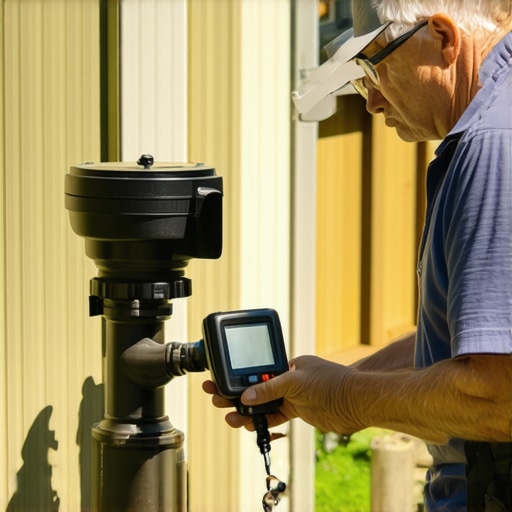
For any homeowner serious about sump pump discharge, a good smart monitor has been invaluable. It provides real-time alerts if something’s wrong, which is especially helpful during storms. Pairing tech with regular manual checks—like flushing the discharge pipe with a pressure hose—keeps the system in top shape.
I also rely heavily on local city websites and the permit process guides. These resources demystify what is required and help me plan ahead. Additionally, consulting community forums gave me real-world tips from others who’ve navigated similar compliance challenges.
For deeper understanding, I suggest reading estimating costs for drainage upgrades. It’s helped me budget for unexpected fixes and avoid overcommitting financially. Knowledge is power, especially when it comes to managing property drainage effectively.
Your Next Step Toward Problem-Free Drainage
Now that you know the crucial aspects of compliant sump pump discharge, it’s time to act. Review your current system, consult your local regulations, and consider implementing smart monitoring devices. With a proactive approach, you can safeguard your property and prevent issues before they escalate. Remember, managing drainage isn’t a one-time effort; it’s an ongoing commitment that pays off in peace of mind and financial savings.
What has been your biggest challenge in making sure your sump pump discharge is up to code? Share your experiences below—I’d love to hear your story!