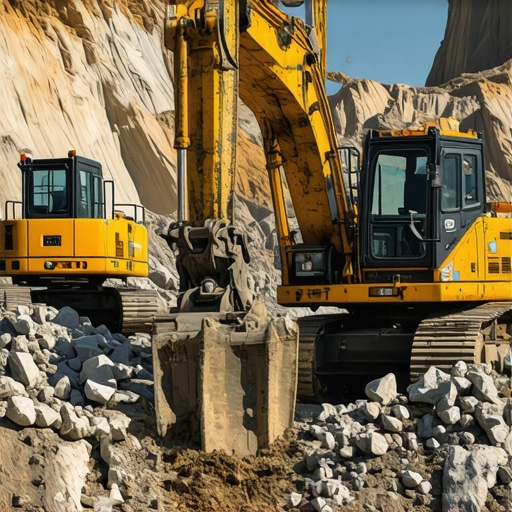
Why Your Excavation Bid Needs a Specific Hard-Rock Clause
Ever found yourself leaning over a site plan, only to realize after digging that the ground beneath your project behaved nothing like the estimates you trusted? I remember my first major excavation when the soils turned out to be a nightmare—more bedrock than dirt. That moment of shock often feels universal among builders and homeowners alike. It hit me hard, and I knew then that overlooking the nuances of ground conditions can cost thousands—sometimes more—if you’re not prepared.
Today, I want to talk about a simple yet crucial addition to your excavation bid that can shield you from unexpected costs: a specific hard-rock clause. This might sound technical, but trust me, it’s one of those details that can make or break your project’s budget.
In our field, surprises beneath the surface aren’t just inconvenient—they’re expensive. According to the Construction Edgez database, unexpected soil conditions can inflate project costs by 20-35%. That’s a staggering jump that eats into your profit or strains your budget if you’re doing a personal renovation.
So, what exactly is a hard-rock clause? Essentially, it’s a specific term in your bid that clearly states whether your contractor is prepared for bedrock and at what cost. Without this, you’re leaving a gaping hole of ambiguity that could lead to costly disputes or budget blowouts.
If you’ve ever wondered whether your bid accounts for the possibility of rocky ground—or if your contractor has just included a generic, lump-sum price—you’re not alone. Many rush into estimates without clarifying these critical ground conditions, only to face painful surprises later.
In this post, I’ll share practical insights based on my experience about how to ensure your excavation bids are rock-solid—pun intended—and how to incorporate a hard-rock clause that actually works. Whether you’re planning a new build or a substantial renovation, this small clause can deliver big savings.
Have you ever faced unexpected ground conditions during a project? If so, you know how quickly costs can spiral. Stick around; we’ll walk through the exact steps to protect yourself and keep your project on track from the very start.
Assess Ground Conditions Early on
Begin your project by conducting a thorough site analysis. Hire a geotechnical engineer or request soil testing from your contractor to identify potential bedrock or rocky substrates. In my experience, even a simple test pit revealed hidden limestone pockets that hadn’t shown on the surface, saving us from budget surprises later. Document these findings meticulously, as they form the baseline for your bid and clause formulation.
Negotiate with the Contractor on Ground Exceptions
Before finalizing the bid, discuss potential rocky conditions explicitly. Use your soil analysis to ask pointed questions: “What if we encounter bedrock?” Clarify whether the contractor includes a hard-rock clause. This step is analogous to agreeing on the foundations of a shared secret handshake—clear communication saves headaches. When we faced unexpected bedrock during a basement extension, our prior agreement made it easier to adjust costs without dispute.
Draft a Clear Hard-Rock Clause
Create a contractual provision that specifies how bedrock discovery will be handled. Specify whether costs are included or will be billed separately, and under what conditions. For example, state: “If solid rock is encountered exceeding more than 6 inches, additional costs for blasting or breaking will be billed at X rate per cubic yard.” This explicit language ensures everyone is aligned, reducing ambiguity that often leads to disagreements or budget blowouts.
Incorporate the Clause into Your Bid
Embed the clause into your excavation scope of work documentation and bid proposal. Use precise language and ensure it’s referenced clearly in the contract. I once overlooked this step, and when faced with a rocky site, the contractor insisted on a substantial extra fee. Had I had a formal clause, I could have negotiated or minimized the additional costs more effectively.
Review and Confirm During Permitting
During permit submission, include your soil reports and the hard-rock clause in your documentation. Building departments often review site conditions, and demonstrating proactive planning helps prevent delays. Cross-reference the clause with your permit applications, ensuring all parties are aware of the ground condition contingencies. This step mirrors the detailed planning in the permitting process.
Stay Flexible but Firm During the Excavation
As excavation begins, communicate openly with your contractor about unexpected bedrock. If encountered, refer back to your clause. If issues arise, negotiate scope adjustments or additional costs with clear documentation. Personally, when rocky layers delayed progress, referencing our clause facilitated a fair adjustment without conflict. It’s crucial to document all changes and costs for future reference or disputes.
Why Relying on Ballpark Figures Can Be Costly and Misleading
Many assume that once they get a rough estimate on their additions or new builds, they can proceed with confidence. However, this is a dangerous oversimplification rooted in a misconception: that initial estimates are always close enough. In reality, a common myth persists—that detailed planning and precise budgeting aren’t crucial for personal projects. This misconception can lead to surprises that sabotage your project’s financial health. Experts like those from Construction Edgez emphasize that detailed, nuanced estimates are essential from the start. Neglecting these finer points often results in underestimated costs, especially when permitting, site conditions, or material prices fluctuate unexpectedly.
Unveiling the Trap of Underestimating Permitting and Site Challenges
Here’s a trap I’ve seen many fall into: assuming permits and site conditions will be straightforward, only to discover hidden complexities during the process. Permitting isn’t just about submitting paperwork; it’s a critical step that can reveal unforeseen obstacles—like zoning restrictions or environmental protections—that can add weeks to your timeline and thousands to your budget. Overlooking these factors or underestimating permit costs causes a ripple effect, delaying your project and inflating expenses. As detailed in this guide, proactive permit planning is a game-changer. It’s akin to building in extra reinforcing beneath your foundation, not visible but vital for long-term success. Be aware, permit costs can sometimes be underestimated by 15-20%, catching unprepared builders off guard.
What Advanced Builders Know About Material Fluctuations and Timeframes
A nuanced aspect often missed is the volatility of material prices and lead times. Many underestimate how shifts in supply chains—and regional demand—can inflate costs or cause delays. For instance, a simple increase in lumber prices can inflate your estimate by thousands if not accounted for. Experienced builders prepare for this by including contingency allowances and regularly updating their material quotes. The Estimator’s Guide recommends adding 10-15% contingency for these unpredictable variables. This proactive step guards your budget from the common ‘oops’ of underestimating fluctuating prices, especially during peak building seasons. Don’t let your project become a victim of avoidable surprises—plan for the unexpected and include flexible contingencies from day one.
The Common Mistake of Ignoring Local Regulations and Nuances
Another hidden nuance involves local nuances—like neighborhood covenants, specific setback requirements, or wildlife protections—that often fly under the radar. Overlooking such regulations can lead to costly redesigns or permit rejections. For instance, a homeowner neglecting to verify tree preservation rules might face a halt on their project, adding weeks or months of delays and extra costs. Local experts recommend thoroughly reviewing the permit process and engaging with local planning offices early. In my experience, even small nuances can escalate if unaccounted—thus, integrating local regulations into your initial estimates and planning saves time and money. Remember, every region has specific rules that can turn a straightforward project into a bureaucratic labyrinth if ignored.
Have you ever fallen into this trap of underestimating permits or site challenges? Let me know in the comments. Remember, thorough planning and understanding these hidden nuances are what distinguish a successful build from a costly mistake. Want to dive deeper into accurate estimating techniques? Check out this resource for expert strategies.
Investing in Reliable Tools Ensures Long-Term Project Success
Maintaining momentum on your construction projects demands the right equipment and software—it’s not just about getting the job done, but doing it efficiently and accurately. Personally, I swear by using Laser Distance Measurers like the Leica D8, because they provide rapid, precise measurements that save time and reduce errors during initial site layout and ongoing inspections. These tools are invaluable for preventing costly rework caused by misaligned structures or inaccurate site plans.
Another cornerstone is implementing project management software tailored for construction. I rely on software that streamlines planning and tracking. It consolidates timelines, permits, and scope changes into one platform, giving me real-time visibility. This proactive approach helps catch potential delays or scope creep early, facilitating timely adjustments without derailing the project schedule.
Preparing for Scale Finally Pays Off
As your projects grow in complexity, so should your tools and systems. Modular approaches like using prefabricated components can dramatically cut down on on-site build time and reduce material waste. For estimating and scheduling, adopting advanced estimating techniques ensures your budgets are realistic, making scaling smoother and more predictable.
Future trends point toward integrating Building Information Modeling (BIM) with AI-driven analytics. BIM allows 3D visualization of projects, catching conflicts before they occur and streamlining coordination. Incorporating such digital twins into your workflow will become essential as projects and permit requirements grow more complex, aligning with the move towards smarter, more connected construction sites.
How do I keep my tools and methods maintained over time?
Proper maintenance is crucial—and it starts with regular calibration and inspections of your equipment. For example, laser tools must be professionally calibrated at least twice a year to maintain accuracy. Software subscriptions should be renewed timely, and updates installed to benefit from security patches and new features. Equally important, develop a routine for reviewing your workflows—solicit feedback from your crew and adjust the tools or procedures accordingly. This proactive maintenance keeps everything performing at peak levels, minimizes downtime, and ensures your long-term success. A good resource to explore this further is the guide to managing addition projects. Start by implementing a maintenance schedule for your key equipment, and notice how smoothly your projects proceed—and how much this safety net can save you when unforeseen issues occur.
Overcoming unforeseen ground conditions is one of the most challenging hurdles in construction, yet it’s often underestimated during initial planning. My own lessons in this area taught me that even the best bids can fall apart if soil and rock nuances are overlooked early on. These insights aren’t just academic—they come from real-world encounters and the costly lessons they brought. So, understanding the depth of your ground conditions can transform your approach from reactive to proactive, saving time, money, and headaches.
Lessons from the Trenches That Will Keep Your Project Standing
- Never assume soil reports tell the full story: In one project, a soil test revealed soft earth, but hidden bedrock beneath it meant costly delays. Always combine soil reports with on-site reconnaissance, and remember: soil can surprise even the experts.
- Over-communicate with your contractor: Clear, detailed discussions about potential tough spots—like bedrock—set the stage for smoother negotiations and better preparedness. When I discussed these issues upfront, it was easier to adjust the scope and budget collaboratively.
- Embed contingency clauses for unforeseen conditions: A hard-rock clause isn’t just technical jargon; it’s your safety net. Clearly specify how extra costs for rock blasting or breaking will be handled, referencing specific conditions like rock depth or volume. This transparency can prevent disputes and unplanned expenses.
- Utilize advanced site assessment tools: Technologies like ground-penetrating radar or seismic surveys can reveal hidden layers before digging begins. Investing in these tools is a small step that pays off by avoiding surprises later.
Tools and Resources That Elevated My Construction Game
- Geotechnical consultants: Collaborating with soil testing experts ensures accurate knowledge of ground conditions—it’s an investment in peace of mind.
- Soil testing kits and GPR devices: Handheld tools for preliminary surveys help identify potential trouble spots early on, saving costly delays.
- Contractor-specific hard-rock clauses: Custom language in bids and contracts clarifies expectations and mitigates risks associated with rocky substrates, as explained in detail in Estimation Strategies.
- Continuous education resources: Staying informed through expert-guides and industry updates keeps my team ahead of ground condition challenges.