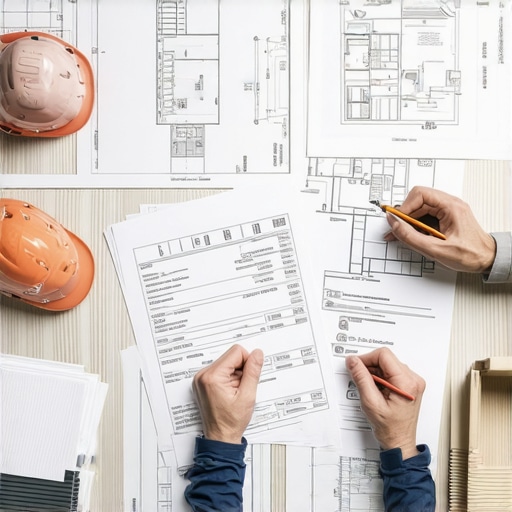

The Hidden Impact Fee That Blows Your New Build Budget
I vividly remember the sinking feeling in my gut when I opened the final bill for my dream home build — only to realize a sneaky, underestimated fee had drenched my budget in unexpected ways. It was a classic case of thinking I’d accounted for everything, only to be blindsided by a seemingly minor surcharge that turned out to be a significant obstacle. That moment taught me the hard way how crucial it is to understand every hidden cost, especially impact fees, which often fly under the radar.
Why Impact Fees Can Destroy Your Home Building Plans
Many new homeowners overlook impact fees because they seem like just another line item, but these charges can dramatically inflate your total expenditure — sometimes by thousands of dollars. Impact fees are designed to cover the extra strain that new developments place on local infrastructure, such as roads, schools, and parks. While they serve a purpose, their unpredictable nature means they can blow your original estimates right out of the water, especially if you’re not familiar with the system.
Early in my project, I made the mistake of assuming impact fees would be minimal or standardized based on past projects. I didn’t do my homework on the specific fees applicable in my area, which resulted in hefty surprises at permit stage. According to a report from the International Code Council, impact fees can account for up to 10% of total project costs in some regions, making ignorance a costly mistake.
If you’re like I was, you might be wondering: “How do I prevent impact fees from wrecking my budget?” Well, that’s what I want to help you with today. There are practical, actionable steps you can take to get a clear picture before you commit to the build. From understanding local regulations to properly estimating your impact fees, a little knowledge goes a long way in avoiding financial setbacks.
Interested in mastering this hidden cost? Stay with me, and I’ll walk you through how to estimate impact fees accurately, how to navigate the permit process smoothly, and ways to potentially negotiate or reduce these charges. After all, building your dream home shouldn’t come with surprise bills at the finish line.
Now, before we dive into the how-to’s, ask yourself — have I factored impact fees into my project budget? If not, it’s time to get serious, because neglecting this can turn your dream into a financial nightmare. Ready to uncover the secrets to keep your build on budget? Let’s go.
Gather Local Regulations and Fee Schedules
Start by visiting your city or county’s official planning or building department website; most have downloadable impact fee schedules and related ordinances. I once spent a frustrating afternoon reviewing outdated documents, which led me to contact the department directly. They provided the latest fee structure over the phone, saving me thousands and preventing delays. Familiarize yourself with how impact fees are calculated in your area; some regions base fees on square footage, others on valuation or usage correlation. This initial step lays the foundation for a reliable estimate.
Create a Detailed Project Plan
Next, draft a comprehensive plan of your build, including exact dimensions, foundation type, and intended use of spaces. Think of this like preparing a shopping list for a recipe—you need precise ingredients to avoid costly substitutions later. While planning my recent backyard addition, I measured each room carefully and detailed the foundation specifics. Precise plans enable accurate impact fee calculations and eliminate surprises at permit approval.
Estimate Impact Fees Using Multiple Methods
There are several ways to estimate impact fees accurately. A practical method involves multiplying your project’s valuation or size by the local impact fee rate—think of it as calculating tax based on value. Alternatively, some departments provide quick calculators online; I used one for a garage extension and found it surprisingly accurate. For complex projects, request a formal fee letter from the local authority—this document is essential if negotiations or appeals are necessary later. Remember, multiple estimates help cross-verify costs and prevent underestimating.
Evaluate Additional Charges and Variations
Impact fees often include variable components like school or park fees, which may differ depending on zoning or neighborhood specifics. For example, my property fell within a district with higher park fees, adding a significant line to my budget. To avoid surprises, ask for an itemized breakdown and inquire about any special assessments or upcoming fee hikes. Being aware of these nuances ensures your estimate reflects the true costs.
Prepare Documentation for Permit Submission
Compile your project plans, impact fee estimates, and supporting documents into a clear, organized package. When I submitted my permit, including detailed calculations and correspondence with the department streamlined approval and avoided rejection reasons related to incomplete information. Proper documentation demonstrates diligence and can help you negotiate or defer certain fees if applicable.
Strategize for Negotiation and Fee Reduction
Some impact fees are negotiable or reducible under specific conditions—such as affordable housing initiatives or green building incentives. I once discussed my project’s sustainability features with the planning officer, which led to a partial reduction. To explore these options, establish a line of communication before submission through the department’s contact page. Visit https://constructionedgez.com/contact-us for more tips on engaging with authorities effectively. Precise preparation and proactive communication can cut costs significantly.Many homeowners and even seasoned contractors fall into a common trap when estimating or planning for additions and new builds: they assume that the core costs—materials, labor, permits—are the primary financial hurdles. In reality, the real pitfall lies in overlooking the nuanced impact of local regulations, zoning variances, and hidden fee structures that can drastically alter your project budget. Contrary to popular belief, meticulous initial estimates that focus solely on obvious costs often lead to surprises, especially when impact fees or permit nuances are underestimated or misunderstood.
One prevalent misconception is that impact fees are standardized, predictable, and easily calculated. Experts like those at the Urban Land Institute highlight that impact fees can vary widely even within the same region due to zoning laws, development policies, and neighborhood-specific requirements. For example, inflating your estimate based solely on past projects in different districts can blindside you, as the impact fees in your target area may include unexpected local assessments or new mandates.
Another common mistake is believing that permit processes are straightforward if you have the correct documentation. This “set-and-forget” approach neglects the complexities introduced by recent code changes, environmental restrictions, or neighborhood covenants. These factors can result in substantial delays or requirement modifications, inflating costs and extending timelines. For instance, recent studies indicate that permit delays contribute to an average of 15-20% increase in overall project costs, primarily due to extended labor and financing fees.
Why do many underestimate the intricacies of impact fee calculations in complex projects?
This is often because most estimates do not incorporate localized variances or recent policy updates. Impact fee rates are subject to change, and zoning decisions can alter the scope of what fees apply. A detailed review of local ordinances, consulting with city planners, or reviewing recent project permits can reveal discrepancies in your initial assumptions. For advanced homeowners and professionals, regularly updating their knowledge base—instead of relying solely on outdated templates—can prevent costly errors. Resources like the official city websites or direct communication with planning departments are invaluable for accurate, up-to-date estimates. For tips on navigating this process, check out https://constructionedgez.com/navigating-permit-requirements-for-additions-in-2025.
The takeaway is clear: don’t fall for the myth that impact fees and permits are predictable or minimal. Embracing a nuanced, locally-informed view is essential for accurate budgeting and successful project completion. Always allocate a contingency budget for unforeseen regulatory changes or hidden fees. Have you ever fallen into this trap? Let me know in the comments or reach out via https://constructionedgez.com/contact-us to ensure your next project stays on track.Maintaining your home construction projects efficiently requires more than just initial planning; it involves utilizing the right tools and methods to ensure longevity and smooth operation. One of my personal go-to tools is construction management software like Procore, which I rely on to track tasks, schedules, and budgets in real-time. This platform allows me to centralize all project documentation, assign responsibilities, and monitor progress from anywhere, making adjustments on the fly and avoiding costly delays. I also favor digital blueprints and 3D modeling programs such as Autodesk Revit, which I use to visualize changes, catch potential issues early, and communicate clearly with contractors, preventing misunderstandings that can cause long-term delays. Predictions indicate that as construction technology advances, integrating AI-powered project analytics will become common, helping predict maintenance needs before problems even arise, and optimizing resource allocation.
How do I maintain my project’s operational efficiency over time?
Regularly updating your project documentation and maintaining open communication channels are essential. For ongoing work like additions or renovations, I recommend establishing routine site inspections with a checklist that emphasizes wear and tear, system performance, and safety compliance. Employing software such as Fieldwire orPlanGrid can help document issues as they appear, schedule preventative maintenance, and assign repairs directly through the app. Additionally, leveraging tools like IoT sensors to monitor HVAC systems and smart home devices can alert you to potential failures early. Such proactive measures minimize downtime and extend the lifespan of your home systems. For precise estimations and maintenance planning, consulting detailed guides like [Estimating Costs for Home Improvements](https://constructionedgez.com/estimating-costs-for-home-improvements) can give you actionable insights. Remember, a proactive approach—coupled with advanced tools—ensures your home remains functional and valuable for years to come. I encourage you to try integrating a digital maintenance log paired with smart sensors in your next project to see immediate benefits in operational longevity. Want to explore more? Reach out to me through [this contact page](https://constructionedgez.com/contact-us) and let’s discuss tailored strategies for your specific needs.
Unveiling the Costly Myths That Tripped Me Up
One of the most profound lessons I learned was that even the most detailed initial estimates can falter if I overlook local nuances and regulatory quirks. Believing that impact fees are uniform or predictable led me to underestimate my budget significantly. My biggest lightbulb moment was realizing that staying proactive—regularly consulting with local authorities and keeping abreast of policy changes—could save me thousands and prevent project delays.
Another insight was the importance of detailed documentation. When I submitted my permit application with comprehensive impact fee calculations and supporting evidence, I experienced smoother approvals and better negotiation leverage. It became clear that transparency and thoroughness are your best allies in navigating the complex world of home additions and new builds.
Lastly, I found that building relationships with city planners and local officials not only clarified confusing regulations but also opened the door to potential fee reductions or deferred payments. Making that early effort to establish communication can be a game-changer in managing your costs effectively.
Tools and Resources That Changed My Approach
My go-to resource has been the official city or county impact fee schedules, often available on government websites or through direct contact. These provide the most current and accurate numbers. For project planning and impact fee estimation, I rely on [online calculators](https://constructionedgez.com/estimating-home-additions-a-step-by-step-guide-for-2025) that, when used correctly, give reliable estimates adaptable to your specific project.
When it came to understanding permit processes, the detailed guides at [Understanding Permit Requirements](https://constructionedgez.com/understanding-permit-processes-for-successful-home-additions) proved invaluable. They helped me avoid common pitfalls like incomplete submissions or overlooked local ordinances. Finally, consulting with experienced professionals through [ConstructionEdgeZ](https://constructionedgez.com/contact-us) gave me insights tailored to my region, saving time and money.
Your Next Step Toward a Flawless Build
Building your dream home, whether it’s a modest addition or a full-scale new build, is a journey filled with complexities but also tremendous satisfaction. By learning from my mistakes and leveraging the right resources, you can stay ahead of hidden costs and regulatory surprises. Remember, meticulous planning, continuous communication, and staying informed are your most powerful tools in this process. The more proactive you are now, the less stressful and more rewarding your construction experience will be.
Have you ever underestimated impact fees or encountered unexpected permit hurdles? Share your story in the comments below — your experience might help someone else avoid the same pitfalls!
,