
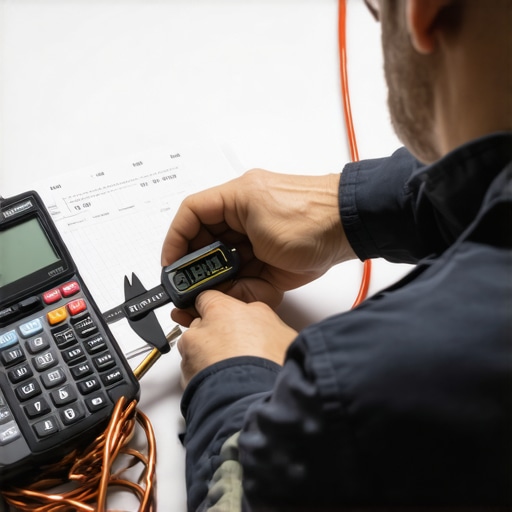
How to verify the copper weight in your electrical estimate
I remember the moment clearly: I was reviewing an electrical estimate for a recent addition, and I spotted what seemed like an unusually low copper weight. My initial reaction? Skepticism. But then I realized—if I didn’t verify the copper weight myself, I was trusting potentially inaccurate numbers that could cost me down the line. That lightbulb moment made me rethink: How do you accurately verify the copper weight in your electrical estimate?
Why Verifying Copper Weight Can Save You Big
In the world of construction and renovation, precision isn’t just appreciated; it’s essential. Copper wire costs fluctuate, and overestimating can inflate your budget, while underestimating risks project delays or code violations. Ensuring you know the exact copper weight used not only helps in budgeting accurately but also in assessing quality and safety compliance.
Early on, I made the mistake of trusting contractors’ estimates without double-checking. It seemed easier—until I received a change order that doubled my copper costs. That ordeal taught me a vital lesson: proactive verification is a must. A study published by the U.S. Department of Energy indicates that meticulous material verification can reduce project costs by up to 15%.
If you’re serious about keeping your project on budget and compliant with standards, understanding how to verify copper weight becomes a priority.
Is Calculating Copper Weight Really Worth the Hassle?
At first, I was skeptical about the need for such detailed verification. Wouldn’t a basic estimate suffice? Here’s the truth: without verifying copper weight, you’re essentially blind to potential overcharges or substandard materials. Early in my career, I incorrectly assumed that manufacturer specifications were always reliable. That mistake cost me credibility and cash. So yes, verifying copper weight is not just worth the effort—it’s a crucial step in ensuring your project’s success.
Gather Your Materials and Reference Data
Start by collecting all relevant documentation, including the electrical plans, material specs, and contractor estimates. Use an accurate digital scale to weigh sample copper conductors or wires provided by the supplier. Cross-reference these weights with manufacturer datasheets to establish a baseline accuracy. This initial step is akin to weighing ingredients before cooking; precise measurements set the foundation for success.
Calculate the Theoretical Copper Weight
Next, understand how copper weight correlates with wire gauge and length. For example, if your plan calls for 100 feet of #12 AWG copper wire, consult the estimating strategies to determine the expected weight per foot. Multiply this by the total length to get a theoretical total weight. Think of this as following a recipe — precise calculations ensure you’re on the right track before verifying actual weights.
Use the Formula to Cross-Check
Apply the formula: Copper weight (lbs) = length (ft) × weight per foot (lbs/ft). If manufacturer data states that #12 wire weighs approximately 0.012 lbs/ft, then 100 ft would weigh about 1.2 lbs. Comparing this calculated figure with your actual weighed samples provides a quick check for discrepancies, much like a baker verifying ingredient quantities before baking.
Verify the Actual Copper Weight on Site
Measure the actual copper conductors involved in the project. Weigh small segments and extrapolate the total. For instance, weigh 1 ft of wire to determine the weight per foot. Multiply by the total length specified in your plans. If actual weights fall significantly below or above the estimated numbers, flag these for review. This process is comparable to calibrating a scale — ensuring your measurements are trustworthy before proceeding.
Document and Analyze Discrepancies
Record your findings meticulously. If the measured copper weight is lower than estimated, investigate whether less copper was used or if there’s a vendor error. Conversely, higher weights might indicate overestimation or additional wiring present. This documentation acts as your audit trail, safeguarding against overcharges and ensuring project transparency. Think of it as keeping receipts to verify expenses at tax time.
Adjust Your Estimates Accordingly
Based on your verification, update your cost estimates to reflect actual materials used. If discrepancies are consistent, negotiate with suppliers or contractors to reconcile differences. Doing so prevents surprises during project execution, much like adjusting a budget mid-flight to stay on course. Remember, accurate verification empowers you to make informed decisions and maintain control over project costs.
Many homeowners and even some contractors operate under misconceptions when estimating costs for new builds or additions. One prevailing myth is that sticking to a quick ballpark figure is sufficient for budgeting. However, this approach often leads to costly surprises down the line. In reality, detailed and accurate estimating — considering every nuance — is essential for success. For example, overlooking critical factors like permit fees, site conditions, or specific material costs can cause significant budget overruns, as emphasized in top estimating strategies.
A common trap in estimates involves underestimating the complexity of permit processes. Many believe permits are a simple formality, but in fact, navigating permit requirements can add unexpected delays and costs, especially if local regulations are not thoroughly understood. Don’t assume your project will smoothly pass through approvals; instead, integrate detailed permit cost forecasting early, as outlined in permit approval tips.
Advanced estimators know that site-specific nuances dramatically influence costs. For instance, soil tests revealing poor soil conditions may necessitate foundation modifications, affecting project budgets unexpectedly. Failing to account for these factors is a common mistake that can erode profit margins or inflate project budgets. Always include contingency funds for such surprises.
Have you ever fallen into this trap? Let me know in the comments.
Invest in Reliable Tools for Long-Term Success
Maintaining efficiency throughout a project requires the right equipment and software. Personally, I rely heavily on Bluebeam Revu for digital plan management and markups because it streamlines document review and collaboration, saving me countless hours. Additionally, for estimating and budgeting, STACK Construction Technologies‘s cloud-based platform allows real-time updates and tracking, reducing errors caused by outdated data.
To stay on top of permits and compliance, I recommend Procore. Its integrated permit management modules help track permit statuses, deadlines, and document submissions, which is critical for avoiding costly delays. Implementing these tools has transformed my workflow, making it easier to catch issues early and adapt quickly.
Regular Maintenance Is the Key to Longevity
Just like any machinery, construction processes and documentation systems demand regular check-ups. Schedule periodic reviews of your estimation methods and software updates. For instance, ensure that your estimating templates incorporate recent material cost fluctuations, and confirm that your digital files are backed up securely. Staying proactive prevents minor glitches from snowballing into project stalls.
Scaling Your Approach for Future Projects
As your project portfolio expands, consider leveraging modular estimating templates customized for different types of builds, such as additions vs. new constructions. I’ve found that creating a standardized process based on a core set of tools and methods allows smoother scaling. Integrate feedback from completed projects into your databases to refine accuracy over time, much like updating a GPS for better routing future job sites.
How do I keep everything functioning smoothly over time?
Consistent review and updating of your tools and processes ensure ongoing reliability. Experiment with automating parts of your workflow—like automatic data import from suppliers or real-time permit tracking—and see how much time you save. Regular training sessions for your team on these tools also prevent knowledge gaps, making your entire operation more resilient.
For more insights on managing your project from start to finish, check out this guide on managing additions effectively. Don’t hesitate to try out advanced estimation features or permit tracking modules—they can significantly reduce surprises Down the line. Keep your tools calibrated and your team trained; it’s the best way to ensure success in every upcoming project.

Lessons That Changed My Approach to Estimating
– I once believed that trusting manufacturer specifications was enough, but I realized that cross-verifying actual material weights saved me from costly errors down the line.
– The hardest lesson was when a seemingly minor discrepancy in copper weight led to a major overcharge, reminding me to always measure rather than assume.
– I learned that incorporating routine on-site verification into my process boosts confidence in estimates and strengthens my negotiations with suppliers.
– A lightbulb moment was understanding that detailed documentation of discrepancies creates a strong case for corrections before costs escalate.
My Go-To Resources for Copper and Estimating Accuracy
– This comprehensive guide has transformed my approach to accurate estimating, especially when it comes to material quantification.
– I rely on top estimating strategies to refine my calculations and ensure I factor in real-world variables.
– For digital project management tools, I trust these planning techniques to keep my estimates aligned with project progress and material usage.
– When verifying copper weight on-site, I recommend reliable scales and manufacturer datasheets, which together help me catch discrepancies early and avoid surprises later.
Take Action: Your Next Step in Estimating Excellence
Don’t let assumptions and oversights compromise your project budgets. Embrace meticulous verification of materials like copper—your future self and bottom line will thank you. Whether you’re a seasoned estimator or just starting, these practices will elevate your precision and confidence. Remember, the key is consistency and attention to detail—small checks today prevent big headaches tomorrow.
What techniques have you found most effective for verifying material quantities in your projects? Share your experiences below, and let’s learn together!