Why Your Steel Beam Bid Might Not Include Crane Rental
It was a chilly morning when I realized I’d overlooked something critical in a recent steel beam estimate—an expensive crane rental. The bid was tight, claiming only the steel, labor, and miscellaneous materials. But a week later, on-site, the crane was nowhere to be found. That unexpected omission cost me dearly, both in time and budget. I learned the hard way that crane rental often slips through the cracks of a typical steel bid, and that oversight can derail your entire project.
The Hidden Cost of Ignoring Crane Rentals in Steel Bids
Many contractors underestimate how essential crane services are for lifting and positioning heavy steel beams. It’s common to see bids that list the steel itself but omit the equipment needed to install it. Trust me, this is a rookie mistake I made early on. When I finally factored in crane rental, I realized it added a significant chunk to my budget—one that I hadn’t anticipated. But more than the cost, it’s about understanding the full scope to avoid surprises when it’s time to break ground.
Is Including Crane Rental Really Worth the Extra Cost?
One of my initial doubts was whether crane rental was a ‘nice to have’ or a necessity. The truth is, without the right lifting equipment, even the most solid steel beams are useless. You can’t just leave those heavy components on the ground and hope for the best. Proper lifting and placement require specialized equipment, which, if not included in your bid, can stall your project or lead to unsafe practices. A common mistake I made early on was assuming crane services could be ad hoc or handled separately—only to find out that coordination costs and delays multiply when overlooked.
Understanding the full scope of costs—from permits to equipment—is vital. In fact, I suggest reviewing [estimating costs for new builds](https://constructionedgez.com/estimating-costs-for-new-builds-expert-insights) and understanding permit processes [here](https://constructionedgez.com/understanding-permit-processes-for-successful-home-additions). These resources helped me see the bigger picture and plan better.
So, have you ever found yourself surprised by hidden costs in a bid? If so, you’re not alone. But don’t worry—next, I’ll share practical tips on how to make sure crane rental is always on your radar, ensuring your estimates and your projects stay on track from start to finish.
Detail Every Piece of Equipment in Your Bid
Think of estimating crane rentals like packing for a trip—you wouldn’t forget your essentials. During my first big project, I initially omitted crane costs, assuming they would be handled separately. That oversight led to budget overruns and delays. To avoid this, create a comprehensive list of all equipment needed. Break down the project phases and identify heavy lifting points where cranes are essential. Consult with suppliers early to get accurate rental rates and scope details. Document these costs meticulously in your bid, ensuring nothing slips through.
Get Familiar with Permit and Regulation Nuances
Permits are the gatekeepers of construction flow. Imagine trying to build a house without a permit—it’s like sailing without a compass. I learned this lesson firsthand when a permit delay stalled my project because I underestimated the required permits for crane use. Review local regulations to understand what permits are mandatory for crane operations. Engage with the [permits for new builds](https://constructionedgez.com/permits-for-new-builds-essential-tips-for-your-project) resource to streamline this process. Early permit acquisition prevents unforeseen hold-ups and additional costs.
Include Contingencies for Unpredictable Variables
Estimating isn’t about precision alone; it’s about realism. During a recent addition project, heavy rain unexpectedly increased equipment rental durations. This taught me to always add a contingency—typically 10-15%—for unforeseen circumstances. Use past project data to gauge potential delays and costs, then incorporate these figures into your estimates. This buffer ensures you’re financially prepared and can keep the project moving without constant re-bidding or surprises.
Coordinate with Suppliers and Subcontractors
Think of your project as an orchestra—timing and synchronization are key. I once booked a crane from a supplier without confirming the delivery schedule aligned with my project timeline. The result was idle equipment rental, costing more without productivity. Building strong communication channels with suppliers and subcontractors helps prevent such issues. Confirm rental dates, delivery times, and operational periods upfront. Clear coordination minimizes gaps and maximizes efficiency.
Review and Refine Your Estimates Regularly
Estimating is an evolving process, like tuning a musical instrument. During a renovation, I initially underestimated crane needs, but ongoing site assessments revealed additional lifting points. Regularly revisit your estimates as the project develops—adjust for new information, supplier quotes, and site conditions. Use tools like [estimating costs for new builds](https://constructionedgez.com/estimating-costs-for-new-builds-expert-insights) to benchmark your figures and ensure accuracy. This dynamic approach keeps your project financially healthy and on track.
Many contractors and homeowners alike fall prey to a common misconception: believing that estimating project costs, securing permits, and planning new builds are straightforward tasks that can be done on the fly. Let’s dig deeper into this myth and explore the nuanced complexities that often trip up even seasoned professionals. A prevalent mistake is underestimating the impact of minor overlooked details, such as permit expandability or code nuances, which can lead to significant budget overruns. For example, many assume permits are instant approvals, but in reality, the permit process involves multiple stages, each with potential delays—something I learned the hard way when a simple zoning clarification took six weeks to resolve.
Why Do Even Experts Miss Key Factors in Estimations?
One crucial reason is the tendency to rely on historical data without updating for recent code changes or local ordinance shifts. According to a study by the Building Industry Association, over 65% of underestimated project costs stem from outdated or incomplete data (source: https://constructionedgez.com/estimating-costs-for-new-builds-expert-insights). This oversight subtly skews the entire estimation process, making what appears to be a minor discrepancy into a substantial financial gap.
Another hidden nuance involves permit scope creep. Many assume that permits cover only the initial phases—like framing and foundation—yet many jurisdictions now require additional approvals for things like energy efficiency upgrades or stormwater management features. Missing these can cause costly reapplications or fines. Moreover, misunderstanding the permit’s conditions can result in work halts, forcing rework and timeline extensions.
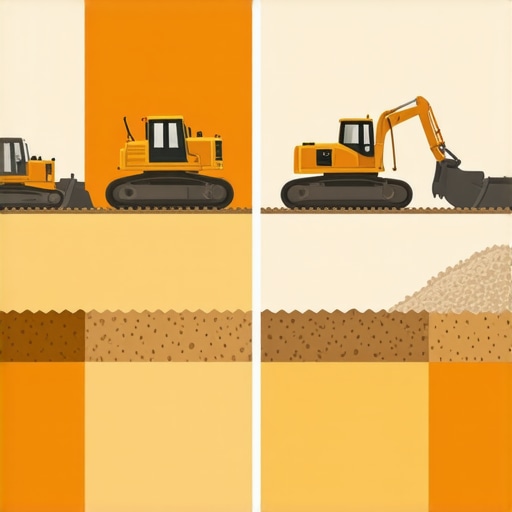
Misestimating the complexity of site preparation is equally common. Often, estimators overlook soil variability or underground utilities, which can cause delays and add expenses. For instance, a typical backyard excavation might seem straightforward, but unforeseen rock layers have torpedoed budgets and schedules in numerous projects. It’s critical to conduct thorough site assessments early, leveraging detailed soil tests and utility locates before finalizing estimates.
Finally, a trap many fall into is neglecting to build contingency allowances into their budgets. While some assume 5% is enough, in reality, unpredictable variables—such as sudden permit restrictions or weather delays—can easily require 15-20% extra funds. Incorporating flexible reserves isn’t just smart; it’s essential for avoiding sleepless nights.
Are you aware of the permit nuances specific to your area? Investing time into understanding local regulations—such as setback rules, easements, or energy code updates—can save significant headaches. Check out guides like [Permits for New Builds](https://constructionedgez.com/permits-for-new-builds-essential-tips-for-your-project) to ensure compliance.
Knowing these hidden intricacies and intentionally planning for them distinguishes a professional estimate from a hopeful guess. Remember, detailed upfront planning and continuous update of your data sources—like local building codes—are your best defenses against budget and schedule overruns.
Have you ever fallen into this trap? Let me know in the comments.
Maintaining efficiency throughout a construction project requires more than just good planning; it demands reliable tools and proven methods. One essential piece of equipment I personally rely on is the Laser Distance Meter. Unlike traditional tape measures, laser devices provide quick, precise measurements over long distances, reducing errors that can cause costly delays. I regularly use the Bosch GLM 50 C because of its accuracy and ease of use, especially when measuring complex building layouts, and it significantly improves my estimating accuracy.
Beyond hardware, project management software has transformed how I oversee multiple phases. I prefer construction-specific tools like Buildertrend because they streamline communication, document sharing, and schedule tracking. These platforms help me spot bottlenecks early, ensuring everything stays on schedule and within budget.
How do I maintain these tools over time?
Routine calibration and software updates are vital. For instance, laser tools should be calibrated annually or after any significant impact to maintain measurement precision. Software updates not only bring new features but also patch security vulnerabilities, protecting sensitive project data. I set quarterly reminders for both calibration checks and updates, turning maintenance into a seamless part of my workflow.
Looking ahead, I predict that integration between hardware and intelligent software—powered by AI—will further enhance project oversight. Automated troubleshooting, predictive scheduling, and real-time compliance checks will become standard, reducing human error and increasing efficiency. Embracing these advances now can give you a competitive edge in managing permits, estimating accurately, and scaling your operations efficiently.