
The Hidden Surcharge for Heavy Equipment Delivery
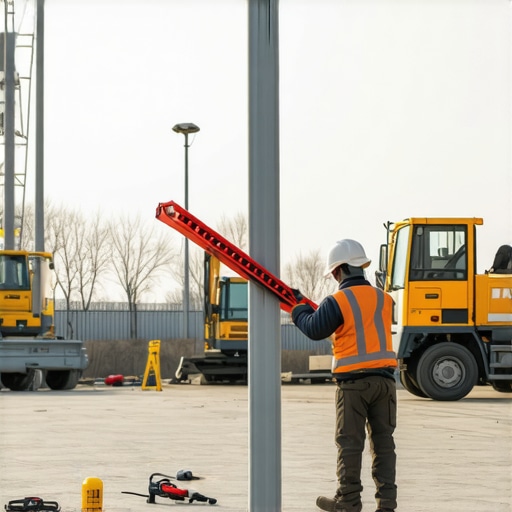
It hit me like a sudden gust during a job site visit—the unexpected extra fee that appeared out of nowhere when I was finalizing my heavy equipment delivery. I’d carefully negotiated my rate, confident I had everything covered, only to see a hefty surcharge tacked onto the invoice. That moment of surprise wasn’t just frustrating; it was a wake-up call about a sneaky cost many overlook.
The Real Cost Behind Heavy Equipment Delivery Fees
When managing construction projects, especially additions or new builds, every dollar counts. The hidden surcharge on heavy equipment delivery is one of those costs that can quietly inflate your budget if you’re not careful. Early in my career, I made the mistake of assuming that the quoted delivery fee was comprehensive. It wasn’t. These surcharges often stem from factors like last-minute route changes, permit delays, or special handling requests—costs that aren’t always transparent upfront.
Did you know that according to industry reports, undisclosed fees or unexpected surcharges can add up to 15% more than initially estimated on construction projects? That can significantly impact project profitability and timeline planning.
The Skeptic’s Question: Is It Really Worth Worrying About?
Honestly, I used to dismiss these surcharges as minor inconveniences, assuming they were just part of the game. However, my experience taught me otherwise. The early mistake I made was failing to clarify whether the initial quote included all potential extra costs. That oversight led to budget blowouts and project delays. Trust me, understanding the full scope of delivery costs is essential—don’t let hidden fees become your construction project’s nemesis.
So, how do we protect ourselves from falling into this trap? The next sections will guide you through practical steps to identify, anticipate, and manage these hidden charges, ensuring your project stays within budget. Ready to learn how to spot these surcharges before they surprise you? Let’s dive in.
Confirm All Costs Before Booking
Start by requesting detailed written quotes that specify all potential charges, including surcharges related to route changes or permits. When I booked equipment for a recent addition, I asked for an itemized estimate referencing permit-related costs. This helps prevent surprises and clarifies what you are paying for. Always confirm whether the quote covers late hour deliveries or special handling, which can often add unexpected fees.
Clarify Delivery Policies and Restrictions
Next, review the carrier’s policies regarding route limitations, delivery timing, and restrictions. Imagine delivery as navigating a tight alley—if the driver can’t access your site without extra permits or permits delay, expect surcharges. During a project, I called the transport company and asked about access issues, referencing permit requirements. This proactive step assured I was aware of any potential roadblocks, avoiding costly last-minute route changes.
Negotiate Based on Your Project Timeline
Leverage your project timeline during negotiations. If you can schedule deliveries during off-peak hours or when permits are ready, you reduce the risk of surcharge spikes. I once negotiated a flat-rate delivery by emphasizing my timeline constraints and referencing project scheduling strategies. This approach often results in more predictable costs and better service terms.
Build Relationships with Reliable Suppliers
Establishing a relationship with reputable equipment providers can lead to more transparent pricing. When I worked with a local supplier, I consistently received advance estimates with no hidden fees, which helped keep our budgets on track. Use this connection to inquire about cost-effective estimating techniques and explore options for bundled services that minimize surcharges.
Regularly Review and Audit Delivery Invoices
Finally, always review your invoices meticulously. Cross-check the charges against your initial agreement and delivery notes. During one project, I identified an unapproved surcharge for a route change not communicated beforehand by comparing the invoice with our agreements. This prompted a discussion that led to a refund for the unapproved fee, emphasizing the importance of spotting administrative fees before they impact your profit margins.
While many contractors and homeowners focus on getting permits approved or estimating costs accurately, there’s a subtler layer of complexity that often gets ignored. The widespread belief that permits are just a bureaucratic hurdle or that estimation is mostly about adding a buffer misses the nuanced strategies that prevent costly mistakes. Let’s analyze some advanced mistakes and misconceptions that can trip up even seasoned professionals during new builds and additions.
Are Permits Really Just Red Tape, or Do We Underestimate Their Impact?
Many assume permits are merely an obstacle, but in reality, they are an integral part of the construction process that, if misunderstood, can lead to severe delays or fines. For example, failing to recognize specific zoning variances or outdated code updates can result in permit rejections or costly redesigns. Industry specialists warn that non-compliance can sometimes cost more than the project itself, emphasizing the importance of thorough knowledge, like reviewing permitting nuances. Avoiding these pitfalls requires proactive planning and ongoing communication with authorities, not just fulfilling paperwork.
Another misconception involves estimating expenses solely based on initial quotes, neglecting hidden costs linked to permits and code upgrades. For instance, updated energy efficiency standards might necessitate additional insulation or HVAC adjustments that weren’t included in the original estimate. An inaccurate estimate can cascade into project overruns, so applying advanced techniques such as contingency buffers, derived from top estimating strategies, is crucial. Don’t rely on simplistic calculations—dig deep into local regulation changes and recent project data to refine your estimates.
What most people overlook is how permit delays and code updates can influence project scheduling and budgeting. Incorporating these factors early in the planning process, using detailed checklists and expert consultations, can safeguard against these common traps.
Ever wondered how expert estimators account for unforeseen permit-related expenses? They don’t just add a flat percentage; instead, they analyze historical data, regional trends, and specific project variables to create dynamic buffers. This approach minimizes surprises and maintains the project’s financial health. For a deeper dive, check out this guide.
In conclusion, mastering the nuances of permits and estimating involves more than ticking boxes or adding extra funds. It demands an informed, strategic mindset that recognizes the evolving regulatory landscape and its implications for cost and time management. Don’t assume you know everything—stay updated, ask questions, and plan proactively.
Have you ever fallen into this trap? Let me know in the comments! For more insights, visit our contact page and keep refining your construction strategy.
Keeping it Working: Tools I Recommend for Construction Success
Maintaining momentum in construction, especially during permits, estimations, or project scaling, hinges on the right tools. Throughout my experience, I’ve found that leveraging advanced software and reliable equipment not only streamlines operations but also improves accuracy and reduces costly mistakes. For example, I personally rely on Procore for comprehensive project management because it centralizes communication, document control, and scheduling, ensuring everyone stays aligned. Additionally, for detailed estimations, I favor accurate cost estimation software that integrates local data, helping me anticipate permit-related expenses and avoid surprises at the budget stage.
On the equipment front, I’ve adopted Laser Distance Meters like the Leica DISTO D2 because their precision accelerates site measurements, minimizes errors, and speeds up planning. This accuracy is vital when dealing with additions or new builds where precise dimensions influence permit approval and build quality. In terms of hardware, a sturdy, reliable rotary hammer has saved countless hours on foundation prep, especially when dealing with hard soil or embedded utilities—it’s an investment that pays off. Tip: Always inspect your equipment before major projects to prevent breakdowns that can delay permits or project timelines.
How do I maintain my tools over time?
Consistent maintenance is key. Regularly calibrate electronic devices, replace worn-out parts, and store tools properly. For software, keep updates current to benefit from security patches and new features that enhance your workflow. Scheduling routine checkups helps prevent unexpected failures during critical phases like permitting or estimations. Being proactive in tool care ensures your operations remain seamless, and I recommend setting calendar reminders for maintenance checks, especially before big project jumps.
Looking ahead, the trend is moving toward smarter, integrated tools that combine digital and physical data seamlessly. Predictive maintenance features in construction wearables could revolutionize how we keep equipment running, minimizing downtime — a concept detailed in recent industry reports. Embracing these innovations today can give you a competitive edge and reduce project risks.
If you want to streamline your project management and estimation processes, I highly recommend trying out comprehensive software solutions. They might seem like a hefty investment initially, but the long-term savings on time and errors are invaluable. Need help choosing the right tech gear? Feel free to reach out for personalized advice.
The Hidden Lessons That Changed My Approach to Construction
One of the most impactful lessons I learned was the importance of proactive communication with permit offices. Early in my career, I underestimated how regional variations in permit processes could unexpectedly delay a project. Now, I always cultivate relationships with local authorities, which often grants me faster approvals and clearer guidance. Additionally, I realized that relying solely on initial estimates without accounting for permit updates or code changes can sabotage budgets—I now incorporate dynamic buffers drawn from recent project data. Finally, I discovered that unexpected surcharge fees on equipment delivery often stem from overlooked permit or access issues—I always double-check site access and permit requirements beforehand, preventing costly surprises.
Tools and Resources That Keep My Projects on Track
For anyone serious about construction, I recommend leveraging comprehensive project management software like Procore, which centralizes all documentation and communication. To improve estimating accuracy, I rely on industry-leading estimation tools that incorporate regional permit data and recent project benchmarks. When it comes to site measurements, laser distance meters like Leica DISTO are invaluable for their precision, especially for delicate additions requiring strict code compliance. Lastly, building good relationships with local suppliers has been key; they often provide insight into permit-related costs and practical scheduling tips that keep my projects smooth.
Your Next Move Starts Now
Remember, mastering permit, estimating, and new build strategies isn’t just about avoiding pitfalls—it’s about setting yourself up for long-term success. Embrace transparency, utilize the right tools, and stay curious about regional nuances to elevate your construction game. If you’re ready to take your projects to the next level, don’t hesitate to explore resources like our detailed guides or connect with industry experts. The key is to act now—every project is an opportunity to learn and grow in your craft.