Why Your Foundation Quote Needs a Soil Stability Clause
I remember the exact moment I realized my foundation estimate was missing a critical component. It was late afternoon, and I was reviewing the initial quotes for a client’s home addition. Everything looked straightforward—until I saw the soil stability clause was nowhere to be found. That small omission nearly cost the project weeks of delays and thousands of dollars in unexpected remediation. It hit me then how easy it is to overlook soil conditions in the excitement of planning a build. This experience became my lightbulb moment: you can’t truly lock in a project budget without understanding soil stability.
The Hidden Power of Soil Stability in Foundations
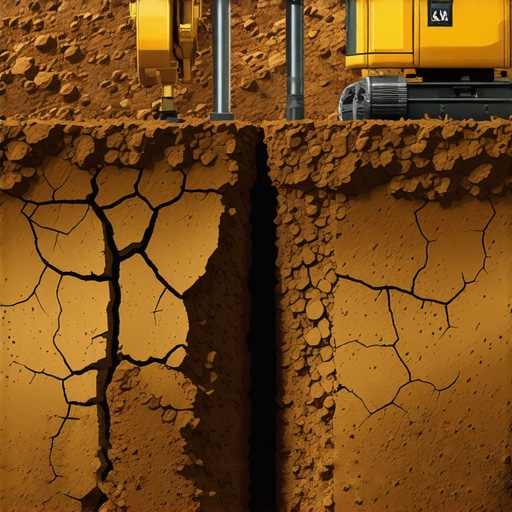
When I first started in construction, I assumed that soil issues were a rare or manageable concern—something the soil reports would neatly cover. But experience quickly proved otherwise. Soil stability isn’t just a technical detail; it’s the backbone of a solid foundation. If overlooked, your entire project could face cracking, settlement, or even failure.
Think about it: your foundation isn’t just about pouring concrete and hoping for the best. It’s about ensuring the ground beneath can support the structure safely over time. A soil stability clause in your quote acts like a safety net, specifying how soil conditions will be managed if complications arise. Neglecting this can lead to unforeseen costs, legal disputes, and worst of all—unsafe living conditions.
Research shows that inadequate attention to soil conditions is a leading cause of foundation failure in residential projects. The International Association of Structural Engineers estimates that over 30% of foundation problems stem from poor soil assessment practices (source: ConstructionEdgez).
Have you ever been caught off guard by unexpected soil-related costs? If so, you’re not alone. Many homeowners and builders enter projects with assumptions that soil issues are minimal—until they’re hit with an expensive surprise. That’s why I recommend a thorough soil stability assessment and, more importantly, ensuring your foundation quote includes a clear soil stability clause.
In the next part, we’ll dive into how to identify this clause, what questions to ask your contractor, and how to protect yourself from these costly pitfalls. Because being proactive now can save you a massive headache—and money—later.
Investigate Soil Conditions Before Breaking Ground
Start by commissioning a detailed geotechnical soil report from a certified engineer. This report uncovers soil composition, moisture levels, and stability concerns. When I faced a project with unexpectedly poor soil quality, having this report early helped me decide whether to opt for deep foundations or soil stabilization techniques. Don’t skip this step; it’s your first line of defense against costly foundation failures.
Include Clear Soil Stability Clauses in Your Quotes
Demand that every contract explicitly states how soil issues will be managed. For example, the clause should specify if soil stabilization or underpinning is included, and under what conditions extra charges apply. During a recent renovation, insisting on a detailed soil clause prevented surprise costs, keeping the project on budget and timeline. This proactive measure ensures all parties understand responsibilities and contingencies.
Request Specific Foundation Design Recommendations
Work with structural engineers to select foundation types suited for your soil type—such as pile foundations for unstable soils or reinforced slabs for more stable ground. When I recommended a pier and beam foundation based on soil data, we avoided future settlement issues. Make sure your design aligns with the soil report findings to ensure longevity and safety.
Implement Soil Stabilization Methods
If reports indicate poor soil stability, consider techniques like chemical soil stabilization, compaction, or the addition of gravel layers. During my last project, I coordinated with geotechnical specialists to stabilize soft clay using lime treatment, which saved us from experiencing settlement cracks a year later. These methods are an investment that pays off long-term.
Monitor Soil Conditions During Construction
Set up real-time monitoring using sensors to track moisture level changes and soil movement. I once installed moisture sensors on a site with expansive clay. When readings showed increased water content after rain, we temporarily halted excavation activities to prevent differential settlement. Active monitoring minimizes risks and catches issues early.
Document Everything for Future Reference
Keep comprehensive records of soil reports, stabilization methods, and any remediation actions undertaken. This documentation proved invaluable when assessing long-term performance and potential claims. During a recent project, detailed soil data helped resolve disputes with contractors about added work costs.
Coordinate with Local Regulations and Permits
Review local codes related to soil stability and foundation requirements. Engage with permit authorities early to clarify standards. During a project, understanding specific regional regulations allowed me to prepare proper documentation and avoid permit delays. For more details on navigating permits, check this guide.
Many homeowners and even seasoned builders fall prey to misconceptions about permit processes, project estimates, and new construction challenges. Let’s debunk some of the most persistent myths and uncover nuanced pitfalls that can derail your project if overlooked. One widespread belief is that permits are merely bureaucratic hurdles; in reality, they are vital safety and compliance tools that, if misunderstood, can lead to costly delays or legal issues. For example, rushing through permit applications without understanding local regulations, as detailed in this guide, often results in rejection or expensive rework.
A common mistake is assuming that construction estimates are static. In my experience, many underestimate the complexity and hidden costs, especially for additions and custom builds. According to this resource, good estimating practices involve detailed breakdowns and contingency planning. Overlooking this, especially in the planning phase, leads to budget blowouts. An advanced pitfall is neglecting to account for evolving code requirements during the planning process. For instance, recent updates to energy efficiency standards or fire safety codes can significantly impact design and material choices if not proactively integrated.
Why do so many underestimate the importance of detailed planning in permit and estimate accuracy? It’s largely because of the misconception that permits are simple forms or that estimates are just ballpark figures. In practice, as highlighted in this analysis, thorough planning involves site-specific assessments, understanding zoning nuances, and factoring in unforeseen site conditions such as soil stability or existing infrastructure. Missing these details can result in permit rejections, delays, and overblown budgets.
Another advanced mistake occurs when project timelines are synchronized poorly with permit approvals. Contractors and owners often assume permits will be granted swiftly, but delays in approval can cascade, pushing back completion dates and increasing costs. This mismatch emphasizes the importance of building time buffers and maintaining ongoing communication with regulatory bodies.
One question I frequently get from experienced builders is: How can we mitigate risks associated with permit uncertainties while still maintaining efficiency? The answer lies in a strategic, layered approach—engaging early with local inspectors, submitting comprehensive documentation, and understanding the specific regulatory environment of your project. For more detailed strategies, see this article.
Remember, successful projects are built on clarity and foresight. Overcoming misconceptions and avoiding these advanced mistakes can save you significant time, money, and stress. Have you ever fallen into this trap? Let me know in the comments.
Keep It Working: Essential Tools and Maintenance Tips
Ensuring the longevity and smooth operation of your construction tools and systems is crucial for project success. From heavy machinery to digital software, maintaining your equipment reduces downtime and saves money in the long run. I personally rely on a few key tools that have proven invaluable time and again, and I recommend integrating regular maintenance routines into your workflow.
Firstly, investing in a high-quality laser distance meter like the Leica Disto series has transformed how I verify measurements on-site. It offers precision, quick readings, and durability, making it ideal for daily use. Regular calibration of these devices ensures that measurements remain accurate, preventing costly errors during framing or layout work.
Secondly, software tools are no longer optional; they are essential. I use estimating software like Buildertrend and Procore to track budgets, timelines, and change orders in real time. Maintaining updated data within these platforms avoids miscommunications and last-minute surprises. Predictive analytics integrated into these tools are shaping the future of project management, helping anticipate issues before they escalate.
For ongoing maintenance, a mobile app like Fieldwire helps me schedule routine inspections, track tool inventories, and assign tasks to team members efficiently. These apps centralize communication, ensuring everyone stays on the same page and equipment receives timely care. Establishing a regular checklist for all tools and machinery—cleaning, lubrication, part replacements—extends their lifespan and reduces breakdowns.
On the construction site, I also advocate for digital monitoring systems—like soil sensors that track moisture levels or structural health. Installing these early in the project can alert you to issues such as soil instability or structural stress before they become major problems, saving both time and resources. For instance, during a recent foundation project, moisture sensors helped prevent excessive settlement by signaling when groundwater levels fluctuated unexpectedly.
Looking toward the future, automation and IoT (Internet of Things) integration will become more prevalent. Expect to see smart tools that self-diagnose maintenance needs and communicate directly with your project management software, reducing manual checks and human error.
How do I maintain these tools and systems over time?
Developing a routine maintenance schedule is key. For physical tools, this means regular cleaning, calibration, and timely part replacements—schedule these checks monthly or after specific project milestones. Digital tools require periodic updates, backups, and security audits. I recommend setting recurring reminders in your calendar to perform these upkeep tasks, ensuring your system remains reliable and secure.
One tip I swear by: create a centralized digital log for all maintenance activities. Not only does this help track tool performance, but it also informs future investments and replaces guesswork with data. As construction technology continues evolving rapidly, staying proactive in maintenance is your best defense against unexpected failures and long-term costs. Try implementing a comprehensive tool maintenance routine today—your projects will thank you for it.
Throughout my years in construction, I’ve realized that soil stability isn’t just a technical detail—it’s the silent foundation of every successful build. The most profound lessons came from unexpected challenges, like overlooking a soil report or dismissing the importance of stabilization techniques. These experiences taught me that proactive soil assessment and thorough documentation can prevent costly delays and ensure safety.
Secrets the Pros Keep About Soil and Foundations
One lesson that changed my approach was understanding that soil conditions vary dramatically—even within the same neighborhood. Assuming uniformity is a mistake that can lead to disaster. I learned to always commission detailed geotechnical reports and advocate for clear clauses in quotes that specify how soil issues will be managed, so surprises don’t derail projects.
Another insight is the power of early communication. Building a relationship with geotechnical engineers and local regulators saves time and money. When I started integrating soil stabilization methods early, I reduced future settlement risks and kept projects on track. Remember, in foundation work, prevention is far less costly than remediation.
Lastly, consistent monitoring during construction reveals hidden soil movements before they cause damage. Employing sensors and maintaining meticulous records of all assessments equips you with the knowledge to tackle issues proactively. My mantra now: Invest in understanding your soil from day one—it’s the backbone of a durable, safe structure.
My Toolbox for Soil and Foundation Success
To navigate soil challenges, I trust specific tools and resources that have proven their worth. The geotechnical soil reports from certified engineers are non-negotiable; they reveal vulnerabilities before breaking ground.
I also rely on advanced soil stabilization techniques, which help adapt designs for challenging ground conditions. For ongoing site monitoring, digital sensors integrated with project management software give real-time insights, preventing overlooked issues.
Books like Foundation Engineering Handbook have deepened my understanding of soil-structure interactions, and regional geotechnical guides ensure compliance with local standards. Combining these tools and resources has empowered me to build safer, longer-lasting structures.
Now It’s Your Turn to Strengthen Foundations
Armed with the right knowledge, tools, and attitude, you can prevent many common foundation issues linked to soil stability. Remember, thorough assessment and documentation are your best defenses against unexpected costs and safety hazards. Don’t wait until problems arise—start integrating these practices today to ensure your projects stand the test of time.
What’s been your biggest challenge with soil conditions in your projects? Share your experience below and let’s learn from each other!