
How to Negotiate a Better Price for Bulk Lumber Purchases
I remember the first time I tried buying lumber in bulk for my home renovation project. I was excited, confident I’d get a good deal, but my initial quote left me feeling like I’d just been hit with a hidden fee. It was a lightbulb moment—realizing I had no idea how to negotiate effectively, and that my lack of negotiation skills was costing me hundreds.
Why Negotiating Bulk Lumber Prices Changed My Project—and Can Change Yours Too
When I dove into the world of bulk lumber purchases, I quickly learned that prices can vary wildly depending on how you approach negotiations. In fact, I found out that many contractors and suppliers count on customers not knowing how to haggle—they rely on a lack of confidence or experience. But here’s the thing: getting a better deal isn’t just about asking for a discount; it’s about understanding the process and seizing the right opportunities.
According to industry experts, effective negotiation can lower costs by up to 20% in construction material sourcing, which is a significant saving in any project budget (source).
Early on, I made the mistake of simply asking, “Can you do any better on the price?” without any preparation or knowledge. That approach rarely works. Instead, I learned that doing my homework—asking for detailed quotes, understanding current market rates, and knowing the supplier’s margins—gave me leverage. It’s like bargaining in a busy marketplace; if you know the fair price, you won’t accept the first counteroffer that comes your way.
Are you facing similar frustrations when negotiating prices for your upcoming project? If so, don’t worry. We’re about to dive into practical steps that transformed my approach and will do the same for you—saving you money, stress, and maybe even a few sleepless nights over your project’s budget.
Set Your Budget and Know Your Limits
Start by defining your maximum price for lumber, considering market rates and your project budget. During my first negotiation, I failed to establish a ceiling, which led to overspending. To avoid this, research current prices using reliable sources, like this guide, and set a firm upper limit. This clarity empowers you when discussing prices and prevents impulsive decisions.
Gather Multiple Quotes and Do Your Homework
Contact several suppliers and request detailed quotes, including itemized costs and delivery fees. Think of this as comparing apples to apples; knowing the standard market rate gives you leverage. I remember calling three different vendors, comparing their quotes, and noticing one was inflating timber costs by 15%. Armed with this info, I negotiated a better deal by pointing out the discrepancy.
Build Rapport and Be Strategic in Your Approach
Establish a friendly yet confident tone. Engage in small talk, show genuine interest, and be respectful. For example, I found that connecting with my supplier’s manager created a more receptive environment. When I asked about bulk discounts, I mentioned my intent to open a repeat order account—this often prompts suppliers to offer better rates to secure ongoing business.
Use Timing and Volume to Your Advantage
Leverage seasonal trends and order volume. During a winter sale period, I called my supplier to inquire about bulk purchases. Recognizing their lower demand, I negotiated a 10% discount and an extended payment plan. Larger orders typically garner better discounts, so be prepared to commit to bigger quantities if feasible. This tactic translates like buying in bulk at a warehouse sale—you get a better deal because the supplier appreciates your volume.
Perfect Your Pitch and Know When to Push
Communicate your understanding of the market and your budget constraints confidently. If a quote exceeds your limit, politely ask if they can match a competitor’s offer or include additional services. I once asked directly, “Is there flexibility on this price? Given my order size, could you offer a better rate?” This question emphasizes your seriousness and opens room for concessions. Remember, patience and persistence often lead to better deals.
Seal the Deal with a Clear Agreement
Once an agreement is reached, get everything in writing—email confirmations or contractual documents. Clarify delivery timelines, payment terms, and any warranties. In my experience, having these details documented prevented misunderstandings later on. Effective negotiation isn’t just about lower costs but ensuring the terms support your project smoothly.
Many homeowners and even seasoned builders often believe that permit applications, additions, and new build estimates are straightforward processes. However, in my experience, there’s a complex layer of nuances that many overlook, leading to costly mistakes and project delays. Let’s explore some common misconceptions and advanced pitfalls that can trip up even the most careful planners.
Is Your Estimator Overlooking Critical Hidden Costs?
One of the most insidious errors is assuming that initial estimates capture all expenses. In reality, many estimates exclude vital components like site-specific soil testing, geotechnical assessments, or hidden utility rerouting costs. Experts emphasize that detailed estimation involves considering these variables upfront to avoid budget overruns (source). Missing these can result in surprises mid-project, jeopardizing timelines and budgets.
Another prevalent myth is the belief that permit processes are universally similar across jurisdictions. This misconception can be costly, as permit requirements often vary dramatically between municipalities and even neighborhoods. For example, some areas require additional environmental impact assessments or fire safety inspections that are seldom anticipated by novices. Failing to anticipate and prepare for these nuances can cause permit rejections or project halts. A well-informed approach involves consulting specialized resources such as permit process guides tailored for your location.
Furthermore, many underestimate the importance of early engagement with local authorities. Submitting incomplete or improperly documented applications is a common trap that stalls projects. The key is to understand the specific documentation and approvals required. Advanced builders often build relationships with permit officers and leverage knowledge from comprehensive resources like permit navigation strategies to streamline approvals.
Let’s address a frequently asked question among serious homeowners: How can I accurately predict all potential costs associated with a new build or addition? The answer lies in a multi-layered estimation process that incorporates market fluctuation forecasts, detailed material and labor analysis, and contingency planning. Studies show that incorporating a contingency buffer of at least 10-15% reduces the risk of unforeseen expenses derailing your project (source). It’s not just about numbers—it’s about building a flexible, realistic plan that accounts for uncertainties inherent in construction projects.
Have you ever fallen into this trap? Let me know in the comments. Remember, the devil is in the details, and awareness of these hidden nuances will save you time, money, and frustration in your building journey.
Keeping Your Build in Top Shape with the Right Tools
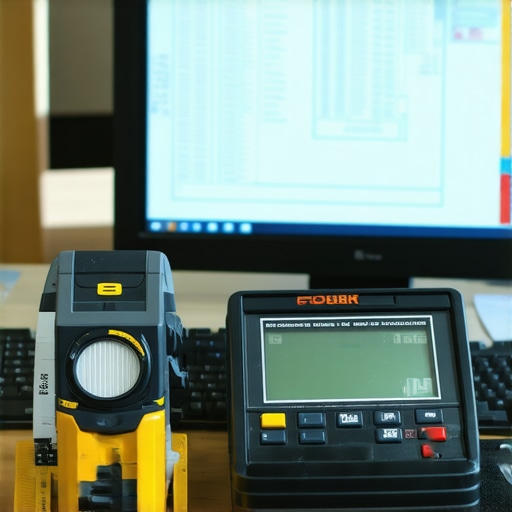
One of the most critical aspects of maintaining a successful construction project is having the right equipment and software at your fingertips. I personally rely on a digital project management tool called Buildertrend, which streamlines scheduling, communication, and document sharing. Its real-time updates help me catch issues early, preventing costly delays. For measurements and site inspections, I swear by my Laser Measure Pro 3000; it’s precise, quick, and reduces errors during framing or layout checks.
Automation tools like PlanGrid assist in managing blueprints and revisions seamlessly. This ensures everyone on-site works from the latest versions, eliminating miscommunication. As construction technology evolves, I foresee a move toward more integrated, AI-driven project oversight, improving accuracy and efficiency significantly.
Prioritize Routine Maintenance and Inspection
Long-term home building success depends heavily on regular inspections. I set monthly check-ins for structural components, especially after adverse weather, using digital inspection checklists. This proactive approach catches potential problems early, such as minor water intrusions or shifting foundation elements, which might escalate if neglected.
Investing in quality maintenance tools like moisture meters and infrared thermometers helps me verify the integrity of insulation and detect hidden moisture problems. These tools are invaluable in preventing mold growth, which can compromise both health and structure over time. Remember, diligent upkeep extends the lifespan of your build and maintains property value.
Utilize Software to Track Expenses and Schedule
Budgeting isn’t just about initial estimates; it’s about ongoing control. I use ConstructionMaster software to update costs in real time, factoring in unexpected expenses or material price fluctuations. This transparency allows me to adjust scope or negotiate better deals with suppliers like those in new build estimation strategies.
Scheduling is equally important. Digital calendars synced with project milestones ensure that deliveries, inspections, and subcontractor work are well coordinated, reducing downtime and overruns. Technology like this is paving the way for smarter, more responsive project management, where issues are addressed before they become crises.
How do I keep my home building process scalable and compliant over time?
Scaling your project or adding new features requires clear documentation and certified processes. I recommend maintaining detailed records of permits, inspections, and change orders through cloud-based platforms. This ensures that as projects grow, everything stays aligned with regulations and permits, such as those outlined in permit guidelines. Regularly reviewing and updating your compliance checklist prevents costly delays caused by overlooked requirements or expired permits.
By establishing a routine maintenance schedule, leveraging advanced tools, and integrating comprehensive software solutions, you create a resilient framework that supports both current functioning and future expansion. Remember, consistency and foresight are your best allies in long-term home building success. Don’t forget to try using a moisture meter during your next inspection—small details like this safeguard your investment for years to come.
The Real Cost of Overconfidence in Construction Deals
I used to approach negotiations with a handshake and a smile, assuming goodwill was enough. However, my biggest lesson came when I realized that preparation and understanding market nuances are essential. Underestimating the importance of data and leverage led me to accept higher prices, which could have been avoided with deeper research. The lesson? Confidence backed by knowledge saves money and builds trust.
Tools and Resources That Elevated My Building Game
From comprehensive estimation guides like New Build Estimation Strategies to digital project management tools such as Buildertrend, harnessing the right resources transforms chaos into clarity. These tools helped me track costs, manage permits efficiently, and stay on schedule. Invest time in curating a toolkit that suits your project scale—a move that pays off in saved time and avoided errors.
Sealing the Deal and Setting Future Foundations
Closing negotiations with clear, written agreements prevented misunderstandings and set the stage for smooth project execution. Document all terms, including delivery timelines, warranties, and payment schedules. This practice underscores the value of meticulous documentation—an often overlooked secret to long-term success and peace of mind. Remember, your home building journey doesn’t end at signing; it’s just the beginning of a well-structured relationship.
Insider Wisdom You Won’t Find on the Surface
- Never assume hidden costs are minor—soil tests, utility rerouting, and local fees can add thousands if overlooked. My mistake was assuming initial estimates covered everything, but real surprises came when I didn’t check the fine print (guide).
- Permit requirements vary more than most expect; spending time understanding your jurisdiction’s specifics saves months of delays. Engaging with local permit officers early on can turn a standard process into a streamlined one (navigate permits effectively).
- Containment and flexible planning with contingency budgets of at least 10-15% are your best defenses against unforeseen expenses, enhancing project resilience and peace of mind (cost verification tactics).
Make Informed Choices, Build Smarter
Embarking on a home addition or new build is a significant journey filled with hidden opportunities and pitfalls. Embrace continuous learning, leverage expert resources, and adhere to disciplined planning. Every decision you make now sets a strong foundation for the future of your home. Ready to take the next step? Dive deeper into smart building insights with trusted industry advice and modern tools.
What strategies have you found effective in managing project costs or handling permits? Share your experiences below, and let’s learn together to build better, smarter projects.