

How to Spot Hidden Profit Centers in a Landscaping Bid
It was a morning like any other when I faced a gut-wrenching realization during a landscaping bid. I had submitted what I thought was a solid estimate, only to find later that I overlooked a crucial component—the hidden profit centers that can make or break your bottom line. That mistake cost me thousands and taught me a valuable lesson. Since then, I’ve been on a quest to demystify how to spot these profit opportunities effortlessly.
Why You Need to Find Hidden Profit Centers Now
If you’re like I was, chances are you’ve poured hours into estimating projects, only to see your profit margins squeezed unexpectedly. Maybe you’ve noticed your bids seem competitive but still come in underwhelming when it’s time to close the deal. That’s because many landscapers miss the internal gaps—those unseen areas where profit quietly hides. Recognizing these profit centers isn’t just about greed; it’s about ensuring each project contributes to your growth and sustainability.
Studies show that contractors who regularly identify and capitalize on hidden profit centers see a significant boost in their net income—sometimes up to 25%. Think of these profit centers as secret funds lying just beneath the surface, waiting for your keen eye to discover.
Have you ever found yourself scratching your head at unexpected costs or noticing your project estimates don’t quite match your final earnings? If so, you’re not alone. Many professionals learn this lesson the hard way, but I want to share how you can sidestep that trap.
Is Spotting Profit Centers in Bids Actually Worth the Effort?
I used to think that as long as my materials and labor were accurate, I was good. But early in my career, I made a crucial mistake—overlooking the smaller, often overlooked parts of a project, like permit fees or miscellaneous supplies. These minor items can accumulate, eating into your profits without you realizing. Now, with experience and a sharper eye, I focus on every detail, including things like site prep inefficiencies or overlooked add-ons.
For more insights on estimating costs effectively, I recommend checking out their comprehensive guide. Learning to identify these profit pockets can transform your bidding process from a gamble into a strategic advantage.
As we dive deeper, I’ll walk you through practical tips to uncover and leverage these hidden profit centers, ensuring every project leaves more money in your pocket and sets the stage for long-term success.
Trace Every Cost to Spot Hidden Profit Centers
Begin by dissecting your project estimates into granular line items—materials, labor, permits, and miscellaneous expenses. For each, question: Am I capturing the true cost? For example, permit fees often have nuances like debris removal or special inspections that many overlook. During a project last year, I realized I wasn’t accounting for a hefty permit surcharge until I dug into the permit documentation, which led me to an additional $1,500 in profit.
Leverage Permit Knowledge to Maximize Your Margins
Permit processes are riddled with pitfalls—you might think you’ve submitted everything, only to face rejections or delays. Knowing common permit mistakes, like misplacing setback measurements or ignoring special zoning requirements, can lead to quick wins. I once faced a permit rejection because I didn’t include an egress window, which delayed my project and cost me thousands. Studying these permit nuances, like outlined here, streamlines approvals and keeps your profit intact.
Identify Add-On Opportunities During Site Visits
Use site inspections to spot upgrades or additional services clients hadn’t considered—like soil stabilization, landscaping lighting, or drainage systems. These are often goldmines for profit. Once, during a site walk, I noticed the existing drainage wasn’t sufficient, prompting me to recommend and bill for additional work, doubling my quote’s profitability. Remember, asking strategic questions during these visits uncovers value-added services.
Estimate with Precision and Play for Leverage
Accurate estimation is critical. Use detailed, up-to-date data—consider local soil conditions (see this resource)—and factor in hidden costs like site prep inefficiencies. I once underestimated site prep by 15%, but with better data collection, I adjusted my estimates before bidding, securing higher margins on subsequent projects.
Anticipate and Incorporate Future Expenses
Think beyond the immediate scope. Include allowances for potential issues—like underground utilities or updated codes—that could inflate costs. A colleague once ignored the possibility of existing underground lines, leading to costly delays and a loss of profit. Protect yourself by reviewing comprehensive permit requirements and contingencies early in the bidding process.
Use Data and Experience to Fine-Tune Your Bids
Collect and analyze data from past projects—cost overruns, permit rejections, hidden fees—to refine your estimating process. For example, tracking the frequency of unexpected soil stabilization costs led me to increase my contingency estimates for hillside properties, boosting overall profitability.
Follow Up Post-Project to Uncover Future Profits
The job isn’t over once the project ends. Follow up for potential maintenance, upgrades, or repeat business. During a follow-up call, a client requested additional planting, which I billed separately, adding a significant profit. Building these relationships creates ongoing profit streams and market insight.
Many contractors believe that permit processes are straightforward, but in my experience, this is a dangerous misconception. The common myth is that once you’ve submitted your application, it’s just about waiting for approval. However, the real mastery lies in understanding and navigating the nuanced requirements that often trip up even seasoned professionals. For example, subtle factors like exact setback measurements, local zoning exceptions, or specific fire-resistance standards can silently derail your approval or inflate costs if overlooked. These details are not just bureaucratic hoops; they are critical elements that influence project scope, timelines, and margins. Implementing rigorous due diligence by studying permit requirements thoroughly can prevent costly delays. Be warned: rushing the permit phase or assuming generic rules apply universally is a trap. I’ve seen projects delayed by weeks because of missing a minor detail in the permit documentation or failing to anticipate inspection nuances. Advanced estimators also often overlook the complex interplay between permit nuances and your initial cost calculations. For instance, a misjudged setback distance may require redesigns or additional earthwork—costs that could have been identified with a deeper understanding of local regulations. A study by the National Association of Home Builders emphasizes that detailed knowledge of permit intricacies correlates strongly with project profitability and timeline adherence. So, how can you do better? Invest time in understanding the local permitting landscape, leverage expert resources, and always verify permit statuses proactively rather than reactively. Remember, the devil is in the details — and those details might just be the difference between a profitable project and a financial nightmare. Want to learn more about accurate cost estimation for new builds and avoid costly permit pitfalls? Check out this comprehensive guide. Have you ever fallen into this trap? Let me know in the comments.
Tool Up for Long-Term Success
To ensure your construction projects stay on track, investing in reliable, purpose-built equipment is essential. I personally rely on laser levelers like the Spectra Precision Laser LL100 because of its durability and precision, which drastically reduces rework caused by misaligned grading or framing. Additionally, I use digital measuring tapes such as the Bosch GLM 50 C for quick, accurate measurements on-site, saving time and preventing costly errors. These tools streamline workflows and help maintain accuracy when managing permit compliance and building code requirements.
Software that Transforms Estimating Processes
Accuracy in estimating is the backbone of profitable projects. My go-to software is STACK Build, which I appreciate for its cloud-based platform allowing me to access and compare estimates instantly. It enables detailed takeoffs that help identify hidden costs—think permit fees or unforeseen site prep issues—before bidding. Using such software, I can perform more precise calculations, factor in allowances for future expenses, and avoid low-margin surprises later. As trends evolve, integrating BIM (Building Information Modeling) tools like Construction Edge’s estimation insights ensures my bids are both competitive and realistic.
Keep Equipment and Software Well-Maintained
Regular maintenance extends the lifespan of your tools and ensures consistent accuracy. This includes annual calibration of laser levels, periodic firmware updates for digital devices, and routine inspections of safety gear. For software, establishing a protocol to keep licenses current and backups updated minimizes downtime during critical project phases. Creating a maintenance schedule—say, monthly checks—can save money and stress, especially during peak build times.
Preparing for Future Growth and Scaling
As your business expands, so should your toolkit. Consider investing in scalable solutions like multi-user software licenses or modular equipment that can handle increased volume. Streamlining your processes with cloud-based tools allows remote teams to collaborate seamlessly, reducing miscommunication and delays. Looking ahead, trend predictions suggest a rise in integrated construction management systems, combining estimating, scheduling, and permit tracking in one platform, which can dramatically boost efficiency and profitability.
How do I maintain tools and software over time?
Establishing routine checklists for calibration, cleaning, updates, and backups is vital. For instance, I set quarterly reminders to calibrate my laser levelers and update my project management software. These small actions prevent issues from spiraling into costly delays or inaccuracies. Moreover, staying informed about emerging tools—like drone surveys or AI-driven estimating—can give you a competitive edge. For a detailed guide on maintaining your construction toolkit, explore Construction Edge’s contact page for expert advice or personalized recommendations.
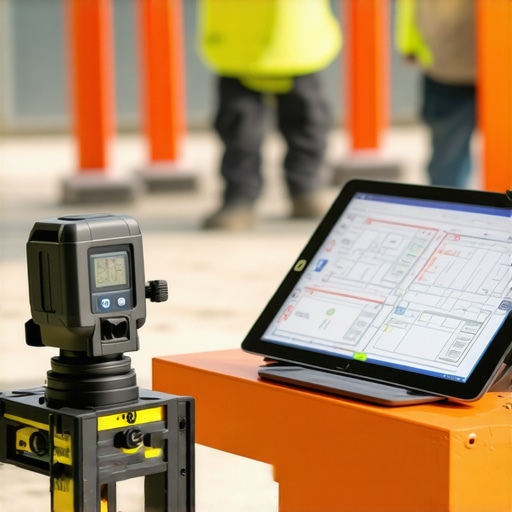
One of the most impactful lessons I learned in my landscaping career was realizing how small oversights can significantly eat into profits. Discovering hidden profit centers isn’t just about boosting earnings; it’s about building a sustainable business that thrives on attention to detail and strategic foresight.
The Wild Truth About Permit Pitfalls You Can’t Afford to Miss
Permit processes are often seen as bureaucratic hurdles, but in reality, they’re hidden goldmines—or minefields. I’ve seen projects delayed or budgets inflated because crucial permit requirements were overlooked or misunderstood. The real advantage comes from proactively understanding permit nuances, studying local permit requirements, and engaging with authorities early. This knowledge can save you thousands and help you tap into profits hidden in the process.
Lucky Breaks or Calculated Moves? Spotting Opportunities During Site Walk-Throughs
Every site visit is a chance to find unbillable value—be it upgraded drainage, better plant selections, or additional features like lighting. I remember suggesting a soil stabilization solution during a walkthrough—that’s extra income without additional bidding. Asking insightful questions during these visits can uncover profitable services your clients hadn’t thought of, transforming a routine inspection into a profit-boosting opportunity.
Heavy Equipment & Tech: Your Secret Weapons for Profitable Builds
Investing in reliable tools like laser levelers or digital measurements isn’t just about efficiency; it’s a game-changer for accuracy and, ultimately, your bottom line. Equipment like the latest estimating software enables you to fine-tune bids, accounting for hidden costs before they hurt your margins. Regular maintenance and staying updated with emerging tech can keep your projects running smoothly—and profitably.
Lessons Really Learned When the Dust Settles
- Permit details can ruin your schedule—or make your profit. Rushing or neglecting local nuances often leads to delays and extra costs, so investing time into permit knowledge pays off.
- Site visits aren’t just walkthroughs—they’re profit discoveries. Look for upgrade opportunities and client needs that can be billed separately for more revenue.
- Tools and tech are your allies in preventing costly mistakes. From laser levels to estimating apps, the right gear can dramatically improve your profit margins.
Embrace the Challenge, Reap the Rewards
Profit centers lie in the details, but recognizing and harnessing them requires courage and curiosity. Each project is unique, and your willingness to explore those unspoken opportunities can lead to sustained growth. Are you ready to look beyond the obvious and start turning hidden profit centers into your competitive advantage? Share your experiences or questions below—I’d love to hear your journey toward smarter, more profitable landscaping projects.