How to Save on Material Handling Fees for Hard-to-Reach Sites
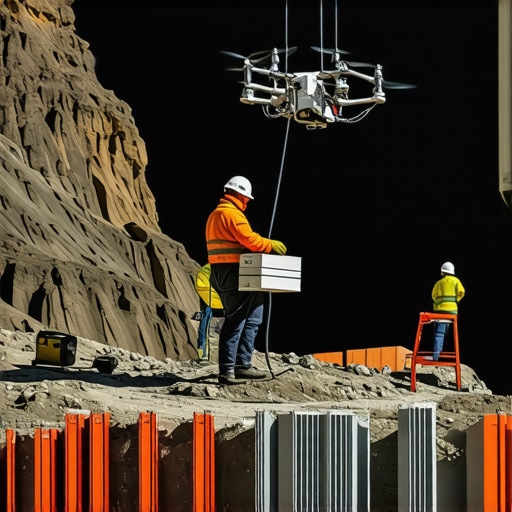
I remember standing there, staring at the dense, tangled mess of my latest project site, feeling utterly overwhelmed. The materials were stacked in a tricky corner, accessible only through a narrow alleyway. The delivery trucks had trouble maneuvering, and the quotes I received for transporting everything seemed inflated without explanation. That lightbulb moment hit me hard: I was throwing money away on handling fees, simply because I didn’t have a solid plan for those hard-to-reach areas.
Why Material Handling Costs Spiral Out of Control at Difficult Sites
Handling fees can quickly become a hidden budget buster, especially when dealing with challenging site layouts. When materials have to be moved multiple times or transported over longer distances, contractors often mark up these costs, and sometimes, it’s unavoidable. But from my experience, many of these expenses are preventable with strategic planning. Early on, I learned that understanding the unique constraints of a site—like tight access points, elevation changes, or proximity to neighboring properties—can help tailor a more cost-effective approach. This not only saves money but also mitigates project delays.
If you’ve faced the frustration of unexpectedly high handling fees, you’re not alone. It’s a common issue in construction projects, but there’s good news: with a little insight and prep, you can significantly cut those costs.
What do I wish I knew earlier about handling fees for tricky sites?
Early mistakes, like underestimating site access issues, can add hundreds or thousands of dollars to your project. I once ordered a shipment without considering the narrow driveway, leading to a costly partial delivery and multiple re-entries. That mistake taught me to always assess site logistics thoroughly. Want to learn how to avoid such pitfalls? Keep reading, and I’ll walk you through proven strategies to minimize handling fees for your challenging sites. For more detailed techniques, check out [cost-effective estimating techniques for new builds and additions](https://constructionedgez.com/cost-effective-estimating-techniques-for-new-builds-and-additions). Don’t let hidden fees erode your budget—let’s get started.
Assess Your Site Thoroughly Before Ordering Supplies
In a project I managed, I once overlooked the narrow, steep driveway leading to the backyard, which caused multiple delivery delays and increased handling fees. To prevent such issues, conduct a detailed site assessment, noting access points, obstructions, and terrain challenges. Walk the route, measure widths, heights, and turning radii. This upfront step saves money and time by informing your logistics plan and avoiding surprises during delivery.
Optimize Material Storage and Delivery Scheduling
Coordinate delivery times with your construction schedule to minimize on-site storage needs and handling. For example, I scheduled deliveries during optimal weather windows, ensuring materials didn’t sit exposed or require double handling. Use just-in-time delivery strategies where possible, reducing the need for on-site storage and the risk of damage or theft.
Choose Appropriate Equipment and Techniques for Material Movement
Match your site constraints with suitable equipment. If access is tight, employ smaller lifts, hand trucks, or modular carts instead of large cranes. In one case, I used lightweight wheelbarrows and long-handled tools to transport materials through a narrow alley, significantly reducing handling fees. Training your crew on proper handling techniques also minimizes damage and accelerates workflow.
Plan for Elevation and Terrain Challenges
When working on uneven ground or multi-level sites, pre-plan the movement paths and tools required. I once had to elevate materials over a retaining wall; I used a combination of scaffolding and pulley systems to move items efficiently. This approach avoids multiple trips, reducing costs associated with additional handling and equipment rental.
Negotiate Clear, Transparent Quotes and Understand Fee Structures
Always request detailed quotes that specify handling fees, surcharges for difficult access, and other potential costs. In my experience, having a clear understanding of fee structures allowed me to identify line items that could be optimized or eliminated. Comparing multiple vendors and discussing your site-specific constraints can lead to better deals and avoid inflated charges.
Leverage Technology for Better Planning
Use project management and logistics software to visualize delivery routes and material flows. I utilized mapping tools to simulate truck routes around narrow streets, discovering alternative paths that reduced handling time and fees. Digital planning minimizes errors and enhances coordination among suppliers, drivers, and on-site teams.
Prepare for Unforeseen Site Challenges
Have contingency plans in place for unexpected obstacles. Once, a fallen tree blocked access, forcing a reroute and extra handling fees. Pre-assigning backup delivery options and equipment allowed us to adjust quickly, preventing further delays and costs. Always allocate a buffer in your budget for such surprises, and keep communication lines open with suppliers.
Build Relationships with Reliable, Transparent Vendors
Establish partnerships with vendors who understand your site constraints and offer flexible services. Good relationships foster transparency and priority treatment, leading to fewer surprises. I found that early engagement and clear communication about site access issues led to more accurate quotes and better handling arrangements. For ongoing projects, consider regular check-ins to refine logistics strategies.
Implementing these strategies can significantly reduce your material handling costs on challenging sites. By assessing your site thoroughly, scheduling carefully, choosing appropriate equipment, and maintaining clear communication, you build a solid foundation for a smoother, more budget-conscious construction process. For comprehensive guidance on estimating your project costs, visit Estimating Home Additions and consider consulting experts when planning complex logistics.
 Many homeowners and even seasoned contractors believe that estimating costs, securing permits, and planning additions are straightforward processes. However, these areas harbor nuanced pitfalls that can quietly inflate your budget if overlooked. Contrary to common assumptions, detailed planning alone isn’t sufficient; understanding the intricate dynamics of regulations, site-specific nuances, and psychological biases is equally critical.
One widespread myth is that permit applications are merely procedural hurdles. In reality, many underestimate the **complexity and strategic timing** needed to streamline approvals. For instance, incomplete or vague permit submissions often lead to costly rejections or delays, which can turn a straightforward project into a frustrating ordeal. A study by the National Association of Home Builders highlights that up to 30% of permit delays stem from insufficient documentation or misunderstandings of local codes. By mastering the permit process and engaging early with local authorities, you can avoid these hidden costs and maintain project momentum.
Another common misunderstanding revolves around estimating accuracy. Many rely on rough estimates or generic formulas, believing these are sufficient for large-scale projects. But, in my experience, even minor inaccuracies—like underestimating labor complexity or material overages—can lead to significant budget blowouts. Advanced estimation techniques, such as detailed quantity take-offs and contingency buffers, minimize surprises. For example, including a 10-15% contingency in your estimate acknowledges unforeseen issues, protecting you from unexpected expenses. To refine your approach, consider consulting our guide on accurately estimating project costs.
Why Do Simple Plans Sometimes Fail in Complex Neighborhoods?
It’s tempting to think that a well-designed plan will automatically pass through approval and be cost-effective. Yet, local zoning laws, easements, and neighborhood covenants can impose unanticipated constraints. For example, a seemingly minor setback requirement can dramatically reduce your usable space, affecting the scope and cost. Moreover, some regulations are subject to change or interpretation, making it crucial to stay informed and work with experienced planning professionals. Engaging with specialists ensures your designs comply while optimizing value, avoiding costly redesigns or permit revocations. Check out our detailed permit guide for insights on staying ahead of regulatory hurdles.
Finally, the psychological trap of optimism bias often leads project planners to underestimate timeframes and costs, especially for permits and unforeseen site conditions. Recognizing this bias and factoring in realistic delays and expenses can save your project from late surprises. Implementing structured risk assessments and regular budget reviews empowers you to stay on course. Remember, thorough preparation and an understanding of these underappreciated nuances are what differentiate successful builds from costly mishaps. Have you ever fallen into this trap? Let me know in the comments and share your experience.
Keeping It Working: Essential Tools for Long-Term Success
Maintaining a construction project after completion is often overlooked but is vital for ensuring durability and ongoing value. Over the years, I’ve found that leveraging the right tools and methods can make maintenance more manageable and efficient. One such tool I rely on is BuildTrack Pro, a cloud-based project management platform that allows me to schedule routine inspections, track repairs, and set reminders for equipment servicing. Its ability to integrate with mobile devices ensures I can update maintenance logs on-site, saving time and reducing errors.
Another indispensable tool is Fieldwire, a construction management app that streamlines communication with crews during maintenance phases. I use it to assign tasks, upload inspection photos, and monitor progress remotely. This proactive approach helps identify issues early, preventing small problems from escalating.
For equipment longevity, I recommend investing in Laser Distance Meters like the Leica Disto Series. Precise measurements are crucial during inspections, and these devices allow quick, accurate readings of structural elements or gaps that might need attention. They’ve saved me countless trips up ladders or into crawl spaces, making routine checks less cumbersome.
In terms of long-term results, integrating a Preventive Maintenance Checklist attached to digital tools ensures nothing falls through the cracks. I customize checklists within platforms like Asana, which send automated alerts based on time or usage triggers. This systematic approach safeguards the project’s integrity over the years.
How do I maintain my project over time without losing quality?
The future of maintenance points toward automation and smart systems. Emerging IoT sensors can monitor structural health, moisture levels, and equipment performance in real-time, alerting owners or contractors immediately about potential issues. Investing in such technology now can save hassle and costs later, making your long-term goals more attainable. For a deeper dive into estimating future costs to plan your maintenance budget, check out our guide on estimating home additions.
Don’t forget, regular inspections combined with advanced tools like laser meters and digital management apps ensure your project remains in top shape over the years. Implementing these strategies now positions you for sustainable success and higher property value in the long run. Ready to upgrade your maintenance approach? Try integrating a preventive checklist with automated alerts today.
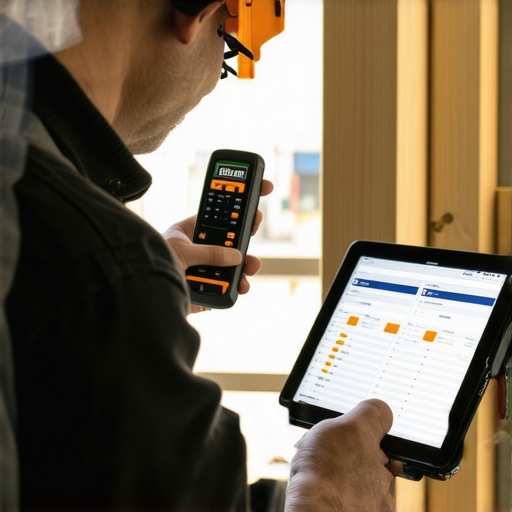
Throughout my journey, I’ve learned that the most significant savings often come from small, strategic tweaks rather than sweeping overhauls. One lightbulb moment was realizing that early engagement with permitting authorities can drastically reduce delays and associated costs, transforming a potential nightmare into a smooth process. Additionally, leveraging technology like digital mapping tools allowed me to reroute deliveries around obstacles, cutting handling fees significantly. These insights became game-changers, revealing that a proactive mindset and modern tools are essential for cost-effective construction. Remember, meticulous planning and embracing new strategies can turn complex projects into manageable, budget-friendly successes.