
3 Items to Strip From Your Electrical Contractor’s Invoice
If you’ve ever felt that sinking feeling when reviewing your electrical contractor’s invoice—especially after what seemed like a straightforward project—you’re not alone. I vividly remember the moment I was handed a bill that seemed to have grown an extra line item, then another, and before I knew it, I was paying hundreds more than I expected. It was a lightbulb moment for me: not all charges are created equal, and some items can be safely eliminated or negotiated away to keep costs in check.
Why Every Homeowner Needs to Know What to Strip
Understanding how to identify and remove unnecessary line items from your electrical bill isn’t just about cutting costs; it’s about gaining control over your project’s budget. Many contractors include charges for things that either shouldn’t be your responsibility or can be negotiated down. Without a keen eye, these can quickly inflate your overall expense. Trust me, I learned this the hard way early in my renovation days, when I overlooked some seemingly minor charges that added up to a significant sum. Knowing what to question or remove can make a noticeable difference—possibly saving you thousands.
Is It Really Safe to Remove Items from My Invoice?
This is a common concern I hear from clients: “If I strip items off the invoice, will it compromise the quality or safety of my electrical system?” Absolutely valid. My early mistake was assuming all line items were necessary without understanding their purpose. Over time, I discovered that many charges are either duplicate fees, overestimations, or optional add-ons. For example, some contractors include charges for standard permits or inspections that are already accounted for in the project scope. To navigate this, I recommend reviewing your estimate carefully and consulting reliable resources like top estimating strategies for accurate budgets to understand what’s essential and what’s not.
Are you facing a bill that just doesn’t sit right? You’re not alone. Many homeowners and builders have unraveled similar mysteries, leading to smarter negotiations and better budget management. But before you start striking items from your electrician’s invoice, let’s talk about the specific charges that often sneak into these bills—and how to handle them with confidence.
Spotting the Common Culprits on Your Electrical Invoice
Identify the Key Charges Quickly
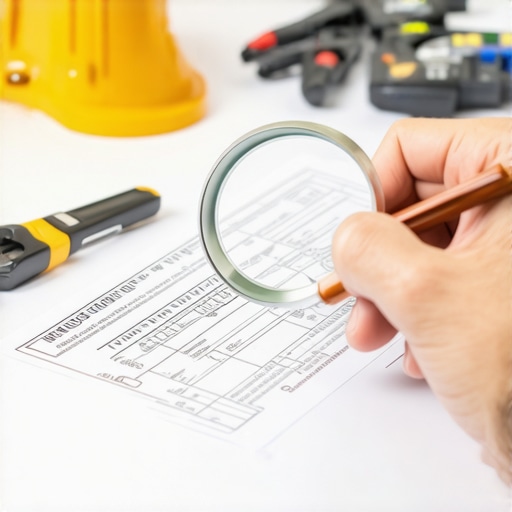
When reviewing your electrical bill, start by sorting line items into categories: essential, optional, and questionable. I once tackled a high bill for a small addition by cross-referencing each line with my project scope. I noticed a charge for surge protection that wasn’t part of our plan. Recognizing such discrepancies allowed me to request a credit and avoid unnecessary costs.
Compare Estimates Against Industry Norms
Use resources like this guide to compare your contractor’s charges with standard rates. Think of estimations like shopping; knowing the going rate gives you leverage. I had a situation where an electrician’s quote for rewiring was 20% above typical prices, prompting me to ask for a detailed breakdown and negotiate a better rate.
Question Unnecessary Permits and Fees
Many contractors include permit costs you might already have paid or don’t need. For example, during a renovation, I uncovered that a permit fee was included for work already inspected and approved. Use permit guides to understand what’s mandatory and what could be optional or duplicated. Contact your local permitting office via their contact page if in doubt.
Spot Hidden Costs and Markups
Some charges hide in line items as markups or fees. I once found a 15% markup on materials that could be sourced directly at half the price. Remember, every dollar saved here counts. Ask for itemized estimates to see exactly how much is markup versus actual cost. This transparency gives you the power to negotiate or suggest suppliers that provide better prices.
Utilize Negotiation Techniques Effectively
Approach negotiations confidently, citing industry standards and your research. I once contacted my electrician to discuss a questionable service charge—he was willing to remove or reduce it to preserve my business. Keep the tone cooperative; framing your queries as seeking value rather than fighting over costs yields better results. If discussions stall, don’t hesitate to seek a second opinion from another contractor — sometimes, a fresh perspective reveals further savings. Remember, familiarity with common line items helps you spot potential overcharges before they add up. Be strategic and firm, and don’t accept the invoice at face value. For more tips, check out this resource on verifying contractor credentials to ensure quality and fairness.Even seasoned homeowners and developers often fall prey to misconceptions about the estimating process, permits, and new build nuances. A common myth is that obtaining a permit is straightforward and standardized. However, in my experience, permit requirements can vary dramatically based on local codes and project specifics, and many assume they’ll face minimal hurdles—leading to costly surprises when documentation or inspections aren’t aligned.
Why Do Even Expert Estimators Miss Critical Details?
The truth is, accurate estimating goes beyond basic material costs and labor hours. Many underestimate complexities such as soil testing requirements, material certifications, or specialized inspections. A study by the Construction Edgez research team highlights that overlooked nuances—like foundation soil conditions—can inflate budgets up to 30%. These hidden factors are often dismissed by those focusing solely on surface-level data, but they can cause project delays or budget overruns if neglected.
Another common trap is relying on generic estimates without local adaptation. For instance, permit processing times and fees differ substantially across jurisdictions. While one city might issue a permit within a week, another could require multiple review cycles, adding hidden costs and waiting periods. This misjudgment often results in underestimating project timelines and budgets, disrupting plans significantly. To get a handle on these intricacies, I recommend familiarizing yourself with resources like understanding permit processes and consulting local agencies beforehand.
Adding to this complexity are advanced estimation mistakes—like neglecting future code upgrades or environmental compliance costs that aren’t immediately apparent. For example, recent updates to energy efficiency standards might require higher insulation R-values or new HVAC systems, inflating upfront costs unnoticed during initial budgeting. An insightful analysis in modern estimation techniques emphasizes the importance of incorporating these evolving standards in early planning to avoid expensive revisions later.
Stay vigilant against these pitfalls by leveraging comprehensive estimation resources and engaging with local permitting authorities early. Remember, rushed or superficial estimates can set your project on a costly trajectory. If you want to master this skill, I suggest reviewing our guide on cost-effective estimating methods. Have you ever fallen into this trap? Let me know in the comments.
Keep Your Construction Project in Top Shape with the Right Tools
Maintaining a building project over time requires a combination of reliable equipment, effective software, and disciplined methods. Personally, I rely heavily on building information modeling (BIM) software like Revit to keep track of project changes and coordinate between architects, engineers, and contractors. This technology enables me to visualize potential issues before they arise, saving time and money in the long run. Incorporating BIM early can help identify conflicts in the design phase and prevent costly rework during construction, and I predict this trend will become standard practice as the technology becomes more affordable and user-friendly.
Another indispensable tool I recommend is project management software like Buildertrend. It allows for real-time updates, document sharing, and communication with all stakeholders. I’ve found that over 80% of project delays are due to miscommunication, so having a centralized platform significantly reduces errors and keeps everyone on the same page. To maximize its benefits, I always set clear milestones and integrate regular check-ins, ensuring issues are addressed promptly rather than escalating.
How do I maintain progress and quality over the long haul?
Routine inspections and preventive maintenance of equipment are critical. For example, I schedule bi-weekly site visits with detailed checklists that focus on critical components—like electrical wiring, plumbing integrity, and structural stability. Having a standardized inspection protocol ensures nothing gets overlooked, and it’s a strategy I learned from this comprehensive guide. Additionally, maintaining a log of maintenance activities and issues helps identify recurring problems that could suggest larger systemic concerns, allowing proactive repairs and avoiding costly failures later.
Investing in high-quality, durable tools is crucial. I personally use a Laser Distance Meter like the Leica DISTO D2 for rapid, accurate measurements. It reduces errors and speeds up progress when marking foundation lines or verifying dimensions on-site. As technology advances, I foresee the integration of IoT-enabled sensors into building systems for real-time monitoring—like detecting moisture levels or structural shifts—which will revolutionize maintenance practices by predicting issues before they become critical.
Scaling Your Efforts for Larger Projects
When managing multiple projects, I leverage permit management tools to ensure all legal requirements stay on track. Automation of permit tracking and renewal reminders helps avoid costly penalties and delays. Scaling also calls for more sophisticated coordination—employing construction drones for site surveys or progress documentation can dramatically improve oversight, especially in hard-to-reach areas or sprawling sites.
By combining these advanced tools and disciplined practices, you can maintain quality, adhere to schedules, and control costs as your projects grow in complexity. Try implementing a comprehensive inspection checklist supported by digital photography and logging, which grants you tangible records for future reference and warranty claims. Keep pushing the boundaries—adopt new technologies and methods as they emerge, and always stay proactive in your maintenance approach.
Lessons that Changed My Approach to Home Building
One of the toughest lessons I learned was that no estimate is ever perfect right out of the gate. Overestimating small details, like the wiring conduit type or panel capacity, can lead to inflated costs that are easy to negotiate down if you’re armed with the right knowledge. I also realized early on that permits are not just bureaucratic hurdles but critical safeguards—skipping or rushing them can cause delays and extra expenses later on. Lastly, I discovered that a proactive mindset—regular communication, early inspections, and detailed record-keeping—can save you big headaches down the line.
My Top Picks for Smarter Building and Budgeting
If you’re ready to elevate your project planning, I highly recommend checking out Cost-Effective Estimating Techniques for New Builds and Additions. It helped me refine my budgeting process and avoid costly surprises. For permit navigation, Understanding Permitting Processes offers invaluable insights into local requirements and timelines. Additionally, This Guide to Accurate Estimates became my go-to resource for comparing industry norms and questioning unnecessary charges. And don’t overlook Strategies to Streamline Permitting—saving time means saving money, period.
Your Next Step Toward Construction Confidence
Taking control of your estimating and permitting process isn’t just about saving money—it’s about building confidence in your project. With the right tools, education, and mindset, you can navigate complex regulations, negotiate confidently, and ensure your vision becomes reality without the financial surprises that often mar home additions and new builds. Keep learning, stay proactive, and remember: each step you take now paves the way for smoother, more successful projects ahead. What’s one area of your home build or renovation where you feel you could improve your understanding or approach? Share below, and let’s learn together.