
How to Verify the Legitimacy of Your Contractor’s Bid Bond
I’ll never forget the sinking feeling in my gut when I realized I might have been duped by a contractor offering a bid that seemed just a little too good to be true. It was during a kitchen renovation, and I was eager to get things rolling. But as I dug deeper into the paperwork, I stumbled upon a detail that raised a red flag—an unusual bid bond that didn’t quite look legitimate. That moment was a lightbulb realization: verifying the authenticity of a contractor’s bid bond isn’t just an annoying step—it’s a vital safeguard for my investment.
Why Trusting the Bid Bond is Your Best Defense
When you’re investing thousands of dollars into a home improvement project, trusting your contractor blindly is like walking a tightrope without a safety net. A bid bond is supposed to be a guarantee that the contractor stands behind their bid, offering financial assurance should they back out or fail to meet contractual obligations. But not all bid bonds are created equal. Some are downright fake, and falling for one can leave you with subpar work, unfinished projects, or worse—financial loss.
Early in my experience, I made the mistake of accepting a bid without verifying the bond’s legitimacy. As a result, I faced unnecessary delays and costs because the contractor’s bond was fraudulent. It cost me time, money, and trust—things I couldn’t get back. That mistake taught me a crucial lesson: knowing how to verify a bid bond is not optional; it’s essential.
Is Verifying Bid Bonds Overkill?
You might be thinking, “Is this really worth my time?” Believe me, skipping this step is a gamble. According to industry insiders, about 20% of bid bonds encountered on projects are non-compliant or fake. That figure might sound small, but *the consequences* of trusting a fake bond can be devastating. It’s similar to how a small leak can sink a ship—unless you catch it early, it costs you dearly.
In my case, I learned this the hard way, but I want to help you avoid pitfalls I faced. Whether you’re tackling a simple backyard addition or a major renovation, verifying your contractor’s bid bond is a quick but crucial step. Curious about where to start? Check out this guide on permit processes or explore tips on how to verify the bond itself.
Let’s move beyond the theory—here’s how you can ensure your bid bond is legitimate, giving you peace of mind and protecting your project’s integrity.
Confirm the Authenticity of the Contractor’s Bid Bond
My first success in ensuring project security came when I contacted the surety company directly listed on the bid bond. Instead of just accepting the document, I called the company’s main line, verified the bond number, project details, and the authorized signatory. This process is akin to cross-referencing a signed check—it’s about confirming the signature’s legitimacy. If you find discrepancies, demand an updated, validated bond before proceeding. Also, scrutinize the bond for expiration dates and coverage amounts, as expired bonds are as worthless as a paper lantern in a storm.
Leverage Official Databases and Resources
Next, I logged into the official licensing authority or the state’s construction registry website, entering the contractor’s license number. This step is like checking a driver’s license before getting into a car—you want to confirm they’ve got the proper credentials. Many jurisdictions also maintain online databases where you can verify bond statuses and license validity instantly. Doing this eliminates the risk of falling for fake or revoked bonds and ensures that your contractor has the backing they claim.
Request and Review the Bid Bond Documentation Carefully
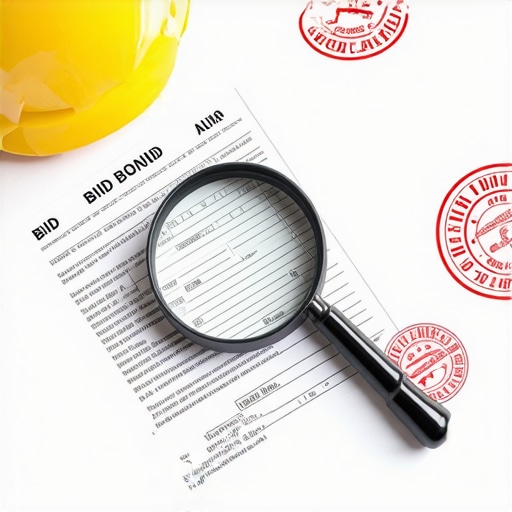
I always ask for a copy of the original bid bond document, not just a scanned image or email confirmation. Once received, I reviewed the document—checking for the surety’s official seal, accurate project details, and the scope of coverage. Think of this as reading the fine print; missing details can be your weak point. Pay particular attention to clauses about claim processes, deadlines, and conditions for how the bond can be invoked. When I identified vague language or inconsistencies, I pressed for clarification from the contractor, preventing future headaches.
Ensure Bond Coverage Meets Project Scope
During my experience with a major kitchen overhaul, I verified that the bond amount exceeded the bid total by at least 10%. This cushion felt like having a safety net—if the contractor defaults or abandons the job, the bond will cover additional costs or penalties. If the coverage is insufficient, negotiate to increase the bond or seek alternative bids. This step is comparable to ensuring your insurance policy matches the level of risk your project entails.
Document and Track All Verification Efforts
I kept detailed records of all communications, including emails, phone calls, and copies of verified documents. This archive became my reference if disputes arose later, much like having receipts for every purchase. Having this documentation lends credibility if you need to escalate disputes with the contractor or surety, making your position stronger.
Consult a Professional for Complex Situations
If you’re unsure about navigating these verifications, consider engaging a construction attorney or a seasoned project manager. In my case, a quick consultation saved me from a potential scam when I encountered an unresponsive surety company. Think of experts as your safety cast—providing guidance when the process gets murky or complex, especially for high-stakes projects. They can also help review contractual documents and ensure your interests are protected, much like a personal bodyguard for your investment.
Incorporating these concrete steps into your project planning creates a robust shield against fraudulent bonds and unverified bids. This proactive approach ensures you only work with trusted entities, paving the way for smoother permits, accurate estimates, and a successful build.
 When it comes to estimating costs for new builds and additions, many homeowners and even professionals fall prey to misconceptions that can significantly impact project success. A prevalent myth is that simply gathering multiple bids guarantees the best deal; however, without understanding the intricacies behind each estimate, you risk choosing a bid based on price alone, which may overlook critical factors like permit complexities, material costs, or unforeseen site conditions. For example, underestimating permit-related expenses is a common trap. An article on permits and approvals highlights how delays and non-compliance often stem from omitting these costs in initial budgets, leading to costly revisions and project halts.
Another nuance overlooked often involves the assumptions embedded within estimates. Many believe that bid amounts are solely about material and labor costs, but they frequently exclude essential elements like site preparation, utility connections, or inspection fees. Advanced estimators account for these by conducting detailed scope reviews, which can be further refined through a thorough analysis aligned with cost estimation techniques. Missing these details can result in significant budget overruns.
Why do so many estimates go wrong despite the availability of detailed methods? One reason is a tendency to accept overly optimistic timelines and resource allocations, a mistake that can cause underbudgeting. An example is underestimating the complexity of permit approval processes in dense urban areas, where local regulations often extend project timelines. For an in-depth understanding, consult permitting requirements navigation. Misjudging these factors leads to delays, increasing costs and frustrating project stakeholders.
A hidden nuance that frequently trips up even experienced estimators involves assessing the potential for scope creep. As projects evolve, unanticipated modifications—like upgrading insulation or upgrading electrical systems—escalate costs. Recognizing this, savvy estimators incorporate a contingency buffer, often 10-15%, as recommended by industry experts. An insightful study published in the Construction Management Journal confirms that projects with well-planned contingencies see fewer budget overruns. Overlooking scope flexibility can create financial stress that jeopardizes project completion.
What about the advanced question of how to improve estimate accuracy in complex projects? It’s crucial to integrate historical data and use building information modeling (BIM) technologies that visualize and quantify every detail. These tools help identify potential pitfalls early, such as hidden structural constraints or permit restrictions. As a pro tip, always cross-reference your estimates with actual historical project data to calibrate your assumptions accurately. For further guidance, explore step-by-step estimation guides tailored for 2025.
In summary, smart estimating hinges on acknowledging and planning for these nuanced aspects—permit intricacies, scope understanding, and contingency planning. Are you accounting for these hidden factors in your projects? Or have you ever fallen into these traps? Let me know in the comments, and remember, thorough preparation paves the way for smoother approvals and fewer surprises.
How do I maintain my construction process over time?
Maintaining your construction workflow effectively requires the right set of tools and a disciplined routine. One tool I personally swear by is Building Information Modeling (BIM) software. Using BIM allows me to keep detailed 3D models of my projects, making it easier to identify potential conflicts or issues before they become costly mistakes. I also rely heavily on project management platforms like Procore, which consolidates communication, schedules, and documentation into a single accessible hub. This ensures everyone on the team stays aligned, reducing miscommunications that can cause delays or errors.
For on-site measurements and quality control, I use laser distance meters such as the Leica DISTO X3. These devices provide precise measurements quickly, helping me verify dimensions against plans without crawling around in uncomfortable positions. Accurate measurements are critical, especially when adding new structures or making adjustments based on unforeseen site conditions.
Future Trends in Maintenance Tools for Builders
Looking ahead, I predict that augmented reality (AR) tools will become standard for maintenance checks. Imagine wearing AR glasses that overlay your construction plans directly onto the physical site, instantly highlighting discrepancies or areas needing attention. This integration of digital overlays will streamline inspections and make ongoing maintenance more intuitive and less time-consuming. Implementing such technology now can give you a significant edge as the industry evolves.
What specific strategies help keep long-term projects running smoothly?
Scheduled routine inspections are essential. I make it a point to conduct weekly walkthroughs, using checklists tailored to each project phase. During these inspections, I document observations and issues using the Fieldwire app, which lets me assign tasks and track progress transparently. This proactive approach helps catch maintenance issues early, preventing small problems from escalating into costly repairs down the line.
Another key strategy is maintaining detailed records of all work performed, including material usage, equipment maintenance logs, and inspection reports. This archive proves invaluable when future modifications or permit renewals are needed, ensuring you have a comprehensive history of your project’s integrity.
How can I effectively scale my maintenance routines for larger projects?
Scaling requires modular systems. I break down large projects into manageable segments, assigning dedicated teams and tools to each. For instance, for foundation work, I use specialized moisture meters like the Protimeter Surveymaster to monitor curing conditions, ensuring long-term durability. Incorporating these targeted tools and routines helps maintain quality across multiple sections simultaneously, reducing bottlenecks and ensuring cohesive progress.
As the industry advances, integrating IoT sensors for real-time monitoring of structural health and environmental conditions will become crucial. These smart devices can alert you to issues like rising moisture levels or temperature fluctuations, allowing preemptive maintenance rather than reactive fixes.
If you’re ready to optimize your maintenance workflows, I recommend trying a combination of precise measurement tools like laser meters and digital management platforms—this combo has transformed how I keep projects running smoothly over time. For detailed strategies on managing permits and ongoing compliance, check out this comprehensive guide on permits.
Remember, investing in the right tools and disciplined routines today sets the foundation for sustainable success tomorrow.
Lessons Homeowners Don’t Usually Realize About Estimating and Permits
One of the most eye-opening lessons I learned was that even the most comprehensive bid can hide hidden pitfalls if you don’t verify the details. For instance, I once accepted a bid based solely on the provided numbers, only to discover later that the permit process had been overlooked by the contractor—causing costly delays. That experience cemented the importance of double-checking every document, especially when it involves legal guarantees like bid bonds. Additionally, I realized that many underestimated the risks of relying on online databases without cross-referencing official sources, which can lead to trusting fake or expired bonds. Finally, understanding that preemptive communication with surety companies can save you from fraudulent setups was a game changer—making me more confident in protecting my investments. These lessons underscore why detailed verification isn’t just best practice; it’s an essential shield in construction management.
Tools and Resources That Elevated My Project Management
Over time, I found that leveraging specific tools made a significant difference in managing estimates and permits. I trust the Estimating Costs for New Builds guide because it offers precise strategies that help balance accuracy with practicality, something I wish I had earlier. For verifying permits and bonds, the Navigating Permit Requirements resource became indispensable; it walks you through the nuances of local regulations, reducing guesswork. The Permit Process Guide helped me streamline approvals and avoid unexpected halts. Lastly, maintaining open lines of communication through professional forums and industry experts has continuously informed my approach, giving me the confidence to step into complex projects with clarity and control.
Embrace the Challenge and Build Confidence in Your Choices
The journey through estimating, permits, and project management can seem daunting at first, but remember, each step you master strengthens your ability to safeguard your investment and bring your vision to life. When you verify bid bonds thoroughly, use trusted tools, and keep learning from reliable resources, you’re setting yourself up for less stress and more success. Don’t let the fear of making mistakes hold you back—approach each project as an opportunity to grow smarter and more prepared. The future of your construction endeavors depends on the decisions you make today, so take charge, verify diligently, and move forward with confidence. What’s the next step you’re excited to implement in your project planning? Share your thoughts below!