Why Your McCordsville Garage Floor Quote Should Include a Concrete Moisture Test
Why Your McCordsville Garage Floor Quote Should Include a Concrete Moisture Test
Imagine spending $5,000 on a high-end garage transformation. The installers arrive early, the diamond grinding goes smoothly, and by the evening, your garage floor looks like a showroom – sleek, glossy, and durable. But six months later, the nightmare begins. Small bubbles appear near the center of the slab. Within weeks, those bubbles pop, revealing the bare concrete beneath. Your premium coating is peeling away in sheets.
As an Area Sales Manager for Alside Building Products with years of experience in the sales and training of concrete protective coatings and curing agents, I have seen this scenario play out far too often in the McCordsville and Geist areas. My name is Mike Boulka, and I’ve dedicated my career to understanding the chemistry of concrete and the coatings that protect it. In my experience, the single most common cause of coating failure isn’t the product itself – it’s the “invisible killer” lurking beneath the surface: moisture.
If you are currently collecting quotes for a garage floor coating, and a contractor hasn’t mentioned a moisture test, they are effectively gambling with your investment. In the geography of Central Indiana, where high water tables and heavy clay soils are the norm, skipping this step is a recipe for disaster.
The Science of Concrete: Why It’s Not as Solid as It Looks
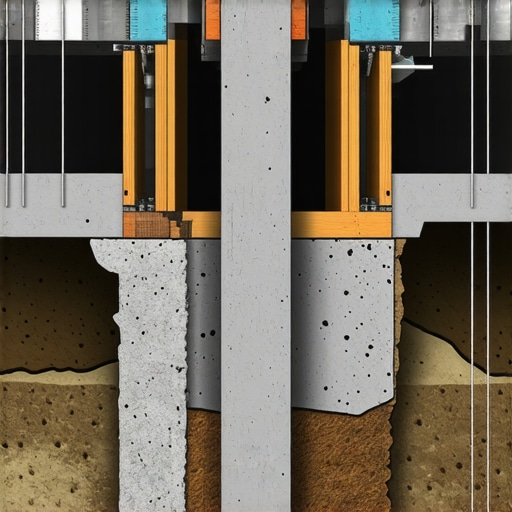
To understand why moisture is such a threat, we first have to dispel the myth that concrete is a solid, impermeable block. In reality, concrete is a porous, mineral-based sponge. During the mixing process, more water is added to the cement and aggregate than is actually needed for the chemical reaction (hydration). As the concrete cures, this excess water evaporates, leaving behind a network of microscopic veins known as capillaries.
These capillaries allow the concrete to “breathe.” However, they also create a highway for liquid water and water vapor to travel through the slab. This process is known as capillary action. Even if a slab looks bone-dry on the surface, it can hold a significant amount of moisture deep within its core. When estimating home improvement costs for a project of this scale, many homeowners overlook the technical preparation required to manage this internal environment.
Furthermore, concrete is “hygroscopic,” meaning it actively absorbs moisture from its surroundings. If the soil beneath your garage is saturated – a common occurrence in the low-lying areas near Geist Reservoir – the concrete will pull that moisture upward through the slab. Without a proper vapor barrier installed during the original build, your garage floor is essentially a conduit for the earth’s moisture.
The “Invisible Killer” of Polyaspartic and Epoxy Coatings
When we apply a high-performance polyaspartic garage floor coating or epoxy resin flooring, we are effectively placing a waterproof “lid” on the concrete. These materials are non-breathable by design; they are meant to protect the slab from oil spills, road salt, and chemicals. However, if there is high moisture vapor emission coming from the soil through the slab, that moisture hits the underside of the coating and has nowhere to go.
This leads to a phenomenon called Osmotic Pressure. As water vapor collects under the coating, it builds physical pressure. This pressure can reach levels high enough to exceed the bond strength of the coating itself. The result is delamination – where the coating literally gets pushed off the surface of the concrete. This often manifests as bubbling, blistering, or “blushing” (a cloudy appearance in the finish).
It is important to note that while polyurea floor coating and polyaspartic systems are significantly more flexible and durable than traditional epoxies, they are not immune to moisture. No matter how advanced the resin chemistry is, it cannot bond to a substrate that is saturated with water. If the moisture levels are too high, the coating will fail, regardless of the brand name or the “lifetime warranty” promised by the contractor.
Why McCordsville and Geist Homes Face Unique Moisture Challenges
Geography plays a massive role in the success of garage flooring. In McCordsville and the surrounding Geist area, we face a specific set of environmental challenges that make moisture testing non-negotiable.
- Clay-Heavy Soils: Much of Central Indiana sits on dense clay. Unlike sandy soil, which drains quickly, clay holds onto water like a reservoir. This keeps the ground beneath your garage slab perpetually damp.
- Hydrostatic Pressure: For homes located near Geist Reservoir or in areas with high water tables, hydrostatic pressure can force water into the concrete slab with incredible force. This is why you might see moisture at the expansion joints or where the floor meets the wall.
- New Construction “Green” Concrete: McCordsville is a booming area with many new residential developments. New concrete takes a minimum of 28 days to cure, but it can take months for the internal relative humidity to drop to a level safe for coating. Before you worry about concrete mix strength, you must ensure the slab has reached a stable moisture equilibrium.
The moisture issues aren’t limited to the garage. We often see homeowners asking for concrete patio coatings or a coating for concrete pool deck. Because these are exterior slabs, they are subject to even higher moisture fluctuations. If a contractor uses the same approach for your indoor garage as they do for an outdoor pool deck without testing the specific moisture conditions of each, they are inviting failure.
The 5-Point Moisture Test Process: What to Look For
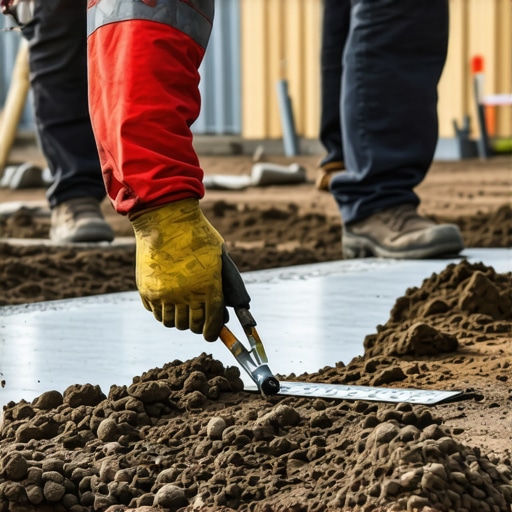
When a professional provides a quote for concrete coatings, they should perform – or at least schedule – a technical moisture analysis. Here are the industry-standard tests you should look for in a high-quality quote:
1. Electronic Moisture Meters
These are handheld devices that provide an instant reading of the moisture content in the top 1/2 inch of the slab. While useful for a quick “spot check,” these should never be the sole basis for a professional quote, as they do not account for moisture deep within the concrete.
2. Calcium Chloride Test (ASTM F1869)
This test measures the Moisture Vapor Emission Rate (MVER). A small dish of calcium chloride is placed under a sealed plastic dome on the slab for 60 to 72 hours. The salt absorbs the moisture emitted by the concrete, and the weight gain is calculated to determine how many pounds of moisture are being released per 1,000 square feet. Most standard epoxies require a rate of 3 lbs or less.
3. Relative Humidity (RH) Probes (ASTM F2170)
This is the “gold standard” in the industry. Small holes are drilled into the slab, and electronic probes are inserted to measure the relative humidity deep within the concrete. This provides a much more accurate picture of the long-term moisture risk than surface tests. If your contractor isn’t familiar with ASTM F2170, they aren’t using the most current science. This is just as critical as ensuring your contractor knows how to perform a concrete slump test during the initial pour.
4. The Plastic Sheet Test
While less technical, this is a great DIY indicator. Tape a 2’x2′ square of heavy clear plastic to your garage floor, sealing all edges with duct tape. Wait 48 hours. If the concrete is darker under the plastic or if there are water droplets on the underside of the sheet, you have a moisture problem that must be addressed before any coating is applied.
5. pH Testing
Moisture often brings salts and alkalis to the surface. High pH levels (above 9 or 10) can chemically break down the bond of the resin. A professional quote should include a quick pH strip test to ensure the concrete surface is chemically compatible with the epoxy resin flooring or polyaspartic being used.
Polyaspartic vs. Polyurea vs. Epoxy: Which Handles Moisture Best?
There is a lot of marketing “fluff” regarding which material is best for damp concrete. Let’s look at the facts. Traditional epoxy resin flooring is generally the least moisture-tolerant. It is rigid and brittle; when vapor pressure builds, the epoxy has no “give,” leading to immediate cracking and peeling.
Polyurea floor coating and polyaspartics are more flexible. They can withstand slightly higher levels of movement and internal pressure. However, it is a dangerous myth to believe they can be applied to wet concrete. In fact, polyaspartics cure very quickly when they encounter moisture, which can actually prevent them from soaking into the concrete pores if the surface is too damp, leading to a weak mechanical bond.
If your moisture test reveals high levels of vapor, the solution isn’t to switch brands – it’s to use a specialized concrete sealer or moisture vapor barrier (MVB) primer. These are deep-penetrating resins designed specifically to block moisture vapor. Once the MVB is applied and cured, the decorative polyaspartic or metallic epoxy floor can be safely installed on top. This adds cost to the project, but it is the only way to guarantee a floor that won’t peel in three years.
Red Flags: How to Spot a “Shortcut” Contractor Quote
When reviewing quotes for your McCordsville home, you need to be an informed consumer. Not all contractors are created equal. Here are the red flags that suggest a contractor is cutting corners:
- The “One-Day Floor” Without Caveats: While polyaspartic systems *can* be installed in one day, they shouldn’t be if the moisture levels are high. If a contractor promises a one-day turnaround before they’ve even stepped foot in your garage or tested the slab, they are prioritizing their schedule over your floor’s longevity.
- Ignoring the Slab Condition: If the quote only lists the square footage and the price, without mentioning surface preparation (diamond grinding) or moisture testing, walk away.
- Lack of Technical Knowledge: Ask the contractor: “What is the maximum Relative Humidity (RH) percentage your product can handle?” A professional will know the answer (typically 75% to 85% for standard systems, and up to 95-99% for specialized moisture barriers). A “shortcut” contractor will give you a blank stare.
- No Insurance Verification: Before signing anything, you should verify contractor insurance. Moisture failures often lead to finger-pointing; you want a company that is fully insured and stands behind their technical assessments.
Conclusion: Protecting Your Investment
A garage floor coating is one of the best investments you can make in your home. It increases property value, provides a safe and easy-to-clean workspace, and completes the aesthetic of your home. However, in the unique environment of McCordsville and Geist, moisture is a variable that cannot be ignored.
A moisture test is cheap insurance. It takes only a few minutes to perform an initial check and a few days for an ASTM-certified test, but it can save you thousands of dollars in repair costs down the road. If a contractor tells you a moisture test isn’t necessary, they are telling you they don’t value your long-term satisfaction. At the end of the day, a beautiful metallic epoxy floor is only as good as the bond it has with the concrete beneath it.
Don’t settle for a quote that leaves your floor’s future to chance. Insist on a comprehensive moisture analysis as part of your project. If you’re ready for a garage floor that is engineered to last in the Indiana climate, contact Construction Edgez today for a quote that prioritizes science, preparation, and permanent results.