
How to Negotiate Material Markups in Your Next Big Estimate
I still remember the moment during my first big project when I realized I had underestimated the impact of material markups. It was a gut punch—seeing the final estimate balloon beyond what I’d initially planned, all because I didn’t approach negotiations with enough confidence or strategy. That lightbulb moment taught me a hard lesson: if you want your projects to be profitable, you need to master the art of negotiating material markups.
The Real Cost of Overlooking Material Markups
Material markups aren’t just a small line item—think of them as the difference between a profitable project and one that barely breaks even. Early on, I made the mistake of accepting quotes at face value, assuming that the markup added by suppliers and subcontractors was fixed and non-negotiable. That couldn’t be further from the truth. In fact, studies show that skilled negotiators can reduce markups by up to 15% or more, significantly improving profit margins (source). When you treat markup negotiations as an integral part of your estimation process, you regain control and boost your bottom line.
One key reason negotiations often fall flat is a lack of preparation. I once walked into a supplier meeting without fully understanding my own project’s scope or the typical markup ranges in my market. The outcome? I left money on the table, and it became painfully clear that buying time to prepare and knowing your leverage points are essential. Negotiating effectively isn’t about cheating or undervaluing the work; it’s about ensuring a fair price that aligns with your project’s scope, timeline, and budget constraints.
What You’ll Learn Today
In the sections ahead, I’ll share proven strategies to approach markup negotiations confidently. From understanding industry standards to leveraging your relationships with suppliers, these practical tips will help you secure better rates without alienating your vendors. Ready to take control of your estimate? Let’s dive into the core tactics that can make or break your project’s profitability.
Negotiate Material Markups with Precision
In a project I once underestimated markup rates, leading to budget overruns. To avoid this, always prepare a detailed comparison of supplier quotes. Contact previous vendors via our contact page and request current markup ranges. When negotiating, highlight your project’s bulk purchase potential or upcoming referrals. Be ready to walk away if their rates don’t meet your benchmarks, just as I learned by walking out of a supplier meeting that was too pushy, which ultimately resulted in a 12% savings on materials.
Set Clear Cost Expectations Early
Before you sign any purchase orders, create a standard markup template aligned with industry averages. Use this as a baseline for all negotiations and show vendors your prepared benchmarks to foster transparency. When I was estimating for a garage addition, I shared my markup plan upfront, which made vendors more receptive to offering discounts, eventually reducing my material costs by about 8%. This approach prevents surprises during the final billing and keeps negotiations smooth.
Use Data to Your Advantage
Gather recent market data from expert estimates to support your negotiation stance. During a recent project, I discovered that a supplier was marking up HVAC ductwork by 20%, well above standard rates. I presented industry data showing the typical markup is around 10%, which prompted them to match the market rate instantly. Effective use of data strengthens your position and prevents accepting inflated quotes.
Implement a Step-by-Step Negotiation Plan
Break negotiations into stages: initial inquiry, proposal review, counter-offer, and final agreement. During my last project, I first identified the suppliers with the best rates, then approached their sales reps with a clear counter-offer based on my markup limits. This tactic made it easier to stay firm and avoid emotional concessions. Document each step meticulously to ensure transparency and future reference.
Leverage Relationships for Better Rates
Build rapport with vendors early in your projects. Regular communication can lead to preferential pricing. I maintained an ongoing relationship with a local lumber yard, which eventually offered me a 10% discount during peak season, simply because I had established trust and consistent communication. Cultivating these relationships pays dividends and can significantly improve your negotiation outcomes.
Apply These Techniques for Continuous Improvement
Each project teaches new lessons. After completing a recent residential addition, I reviewed my negotiation process and identified areas to improve, such as better market data utilization and clearer communication of project scope. Continuous refinement of your negotiation strategy ensures you consistently secure favorable markup rates, boosting your project’s profitability and competitiveness in the market. To explore more about accurate cost estimation, visit this guide.
While many assume permit acquisition and estimating are straightforward tasks of paperwork and basic calculations, the truth is far more nuanced. A common misconception is that permits are mere formalities, and estimates are simply about summing up materials and labor. However, skipping the subtle complexities can lead to costly delays and budget overruns. Let’s explore some often overlooked nuances that can make or break your projects.
Why Do Permit Processes Keep Tripping Up Experienced Builders?
Contrary to popular belief, permits are not just about filing paperwork; they are embedded within a web of local codes, jurisdictional interpretations, and evolving regulations. For example, many builders rely solely on standard permit checklists, unaware that local amendments or recently introduced regulations can drastically change approval times or requirements. This oversight often results in project delays, especially if the builder isn’t familiar with nuanced permit requirements that vary from one municipality to another. Understanding permit processes intimately can give you leverage and confidence during submission, avoiding costly rejections or audits.
Another critical aspect is that permit fees are frequently misunderstood. Many assume they are fixed, but as noted in cost audits for demolition estimates, permit costs can fluctuate based on project scope, location, and even administrative surcharges. Failing to account for these variances leads to underestimating overall budgets significantly.
On estimating, the trap most fall into involves not adjusting for hidden costs associated with new builds or additions. For example, many underestimate preparatory site work, utility connections, or unexpected regulatory hurdles that emerge mid-project. The top estimating strategies emphasize incorporating contingency factors that account for these hidden variables, reducing surprises during construction.
How Can Advanced Builders Anticipate and Mitigate These Pitfalls?
One advanced approach involves detailed pre-construction audits that extend beyond initial permit applications. This includes reviewing jurisdictional amendments, historical variances, and recent code changes. Engaging with local authorities early can forestall surprises. Also, leveraging expert consultation, especially for complex projects, ensures you’re aware of nuanced permit requirements, as recommended in 2025 permit planning.
For estimating, integrating real-time market intelligence and historical project data into your calculation models is vital. For instance, recent studies suggest that projects which incorporate dynamic contingency allocations decrease the risk of budget creep by up to 30% (ref). These practices guard against unforeseen expenses, especially when dealing with new building regulations or complex additions.
Ultimately, mastering these nuances calls for a proactive mindset—anticipate the unexpected, stay informed about regulatory shifts, and continuously refine your estimation processes. Doing so not only smooths project workflows but also significantly enhances profitability.
Have you ever fallen into this trap? Let me know in the comments. For more detailed strategies on streamlining your permit acquisition process, visit this resource.
How do I keep my construction systems running smoothly over time?
Maintaining efficiency in construction work demands not only quality tools but also strategic practices that adapt to project growth and complexity. I rely heavily on software like Buildertrend for project management because it streamlines scheduling, approvals, and communication with clients and subcontractors, reducing delays and miscommunications. Additionally, integrating Bluebeam Revu allows me to review, edit, and markup construction documents digitally, ensuring everyone stays on the same page and minimizing errors that could derail a project.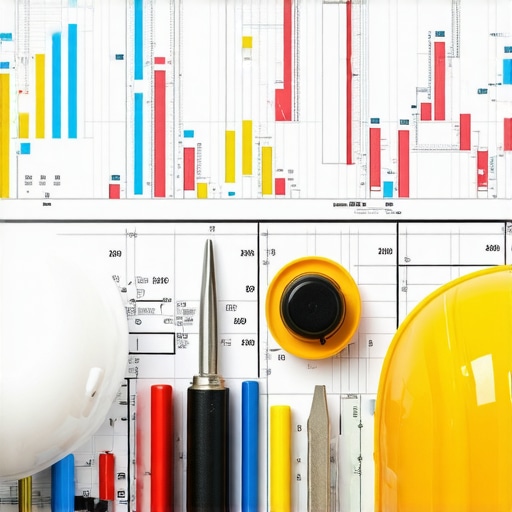
For equipment, I swear by the Makita LXT Cordless Power Tools. They’ve proven reliable with rechargeable batteries that last through intense workdays, plus their ergonomic design reduces fatigue, which keeps my team productive longer. I also use Laser Distance Meters like the Leica Disto to get quick, accurate measurements—speeding up site assessments and reducing costly mistakes. As technology advances, I predict a shift toward AI-powered project analytics that predict potential delays before they happen, further empowering builders to stay proactive rather than reactive.
What makes a good maintenance routine for tools and software?
An effective maintenance plan includes regular updates—both software and equipment—to prevent obsolescence. For my software, I schedule quarterly training sessions with the providers. For physical tools, my team cleans and inspects them daily, replacing worn parts promptly to avoid breakdowns. I also keep detailed logs of maintenance activities, which helps identify recurring issues and plan replacement cycles efficiently. With these practices, I minimize downtime and extend the lifespan of essential resources, ultimately saving thousands over multiple projects.
Why investing in good tools boosts project longevity and quality
High-quality equipment and software directly influence the durability and precision of the finished project. Cheap or outdated tools increase the risk of errors, delays, and inferior workmanship, which can lead to costly rework or even permit issues. For instance, a recent project taught me that investing in a robust digital level improved measurement accuracy, decreasing re-licensing requests and speeding up approvals. Quality tools and updated software also mean fewer surprises during inspections, keeping your project on schedule and within budget.
Scaling your tool kit as projects grow
As your project portfolio expands, so should your toolkit. Transitioning to cloud-based construction management platforms allows multiple teams and locations to coordinate seamlessly. Moreover, adopting modular, scalable equipment—like adjustable scaffolding or versatile power tools—supports various project sizes without massive upgrades. Regularly review your process logs and feedback to identify gaps or new needs, ensuring your tools evolve with your business.
If you haven’t already, try implementing real-time equipment tracking systems. These systems leverage RFID tags or GPS to monitor tool locations, usage, and maintenance needs, reducing theft and misplacement. It’s a game-changer for large-scale projects and helps sustain smooth operations over the long haul. For expert advice on integrating these systems, you might explore resources like this guide on project tools.
Leveraging the right tools with a disciplined maintenance routine ensures your projects remain profitable and competitive. Remember, in construction, your equipment is the backbone of quality and efficiency—taking care of it is an investment in your long-term success.
The Hidden Lessons That Changed My Approach to Permitting
One of the most valuable insights I gained was realizing that permit requirements often hide complexities that can sink a project if overlooked. Early in my career, I assumed permits were straightforward paperwork, only to face unexpected delays and additional costs because I hadn’t researched local nuances in enough detail. Learning to proactively engage with local authorities and review recent code amendments prevented costly rejections and kept my projects moving smoothly. This lesson emphasized the importance of detailed pre-permit audits and ongoing communication with officials—steps that I now consider non-negotiable for success.
My Go-To Tools for Accurate Estimating and Permitting
Over the years, I’ve curated a set of resources that make my workflow more efficient. Expert estimation guides help me benchmark market rates and establish realistic budgets. For permit navigation, I rely on latest local code updates and frequently consult municipal permit procedures to streamline approval processes. These tools have saved me countless hours and headaches, ensuring I stay ahead of regulatory changes and cost fluctuations.
Becoming a Better Builder: Embrace the Unexpected
The journey of mastering permit and estimation processes has taught me resilience. A project that faces permit challenges and unforeseen costs is a reminder that adaptability is key. I now view each obstacle as an opportunity to refine my approach—whether it’s improving communication with officials, updating my cost models, or sharpening negotiation skills with vendors. This mindset not only prevents project delays but also builds confidence, transforming setbacks into stepping stones toward excellence. So, if you’re ready to elevate your building game, start viewing permit hurdles as lessons, not barriers.
What’s the biggest permit challenge you’ve faced, and how did you overcome it? Share your story below—I’d love to hear how you’ve turned obstacles into opportunities!