How to Verify Dumpster Fees to Stop Overpaying for Debris
I vividly remember the first time I got hit with an unexpectedly high dumpster fee after a home renovation. I thought I was budgeting wisely, only to find a hefty charge for waste removal I hadn’t anticipated. That lightbulb moment made me realize how easy it is to overpay if you’re not vigilant about verifying dumpster fees. It felt like going to the grocery store, only to find out your cart was weighed down by hidden charges at checkout. Since then, I’ve made it my mission to help neighbors like you avoid the same costly mistake.
Why Overpaying for Debris Removal Can Wipe Out Your Renovation Budget
The truth is, waste removal charges can sneak up unexpectedly. Contractors, waste haulers, and even city permits sometimes include hidden fees that inflate your bill. Over time, these added costs can significantly derail your project’s finances and progress. I’ve seen cases where homeowners believed they were getting a straightforward service quote, only to discover additional charges after the work was done. It’s a common pitfall—one that I’ve personally fallen into early on, when I underestimated the importance of scrutinizing every line item.
But here’s the good news: with a little knowledge and some proactive steps, you can prevent overpaying. I’ll walk you through how to verify dumpster fees effectively, so you’re not left holding the bag for charges you never agreed to.
Is Verifying Dumpster Fees Actually Worth the Hassle?
At first glance, it might seem like just another task on your to-do list—something to check off before finalizing your project. However, missing or ignoring a discrepancy in dumpster fees can cost hundreds, sometimes thousands, of dollars. When I first started questioning my waste removal bills, I was surprised to find inconsistencies that added up quickly.
Research supports this approach too; studies show that proactive cost verification can save homeowners and contractors up to 15% on project expenses, which is significant in the scope of home improvements. Overpaying wastes not only money but also time and peace of mind.
Interested in eliminating the guesswork and hidden fees? Great! We’re about to dive into practical strategies that will empower you to scrutinize and verify every dollar you’re asked to pay, ensuring your project remains on budget and on schedule.
Double-Check Your Waste Removal Quotes
Start by requesting detailed, written estimates from multiple waste haulers. Personally, I once called three local companies for a small demo project; only one provided a clear breakdown of charges, including weight limits and disposal fees. Comparing these helped me spot discrepancies and negotiate better terms.
Scrutinize the Fine Print and Additional Charges
Always read the contract thoroughly, especially sections about extra fees for weight overage, types of waste accepted, and fuel surcharges. I once overlooked a clause about additional charges for concrete, which added 30% to my bill. Catching this early saved me hundreds.
Verify Waste Volume and Weight
Estimate the volume of debris beforehand using grid or cubic yard calculations. For instance, I used a simple online calculator to estimate my debris—and then cross-checked with waste hauler estimates. This practice minimizes surprises and helps confirm that charges are based on actual waste, not inflated estimates.
Request a Cost Cap or Fixed Fee
Negotiate a flat-rate or maximum cap for waste removal. During my last renovation, I secured a fixed fee for a specific debris volume, preventing overcharges if waste exceeded expectations. This step protects your budget and provides peace of mind.
Inspect the Waste Disposal Site
If possible, visit the disposal facility to understand how waste is weighed and billed. A personal visit during my project revealed that some loads were weighed on outdated scales, leading to overestimations. Confirming the process can prevent billing errors.
Leverage Permits and Regulations
Incorporate permit requirements into your verification process, especially for large-scale projects. Understanding local permit rules, as detailed in this guide, ensures you’re compliant and might prevent additional charges for non-compliance or delayed permits.

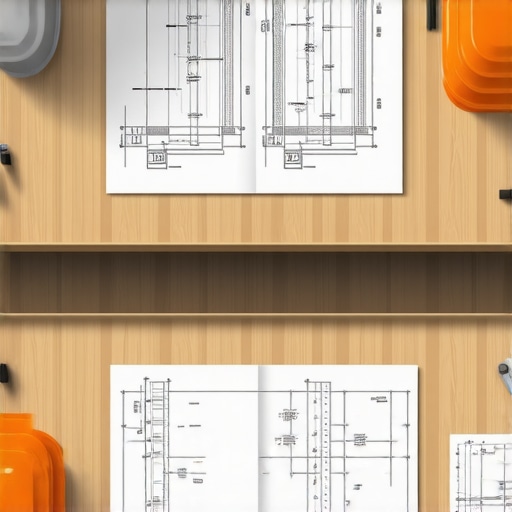
Visualize the waste estimate process with a clear diagram showing debris volume calculations, permit checks, and fee verification steps.
Sample Micro-Story of a Failed Verification
Once, I failed to verify my waste hauler’s charges and was billed an unexpected $500 for extra debris. That mistake taught me the importance of cross-checking all estimates and understanding the billing process, which now saves me time and money on every project.
Many homeowners believe that permits and estimates are straightforward steps in home building or renovating, but the reality is far more nuanced and often misunderstood. A common misconception is that permits are simply a bureaucratic hurdle rather than a critical safety and compliance measure. In my experience, overlooking the finer details of permit requirements can lead to costly delays or even legal issues down the line. For example, mistakenly assuming a permit isn’t necessary for a small addition could result in fines or forced demolition. Check out this guide to understand how permits affect project timelines and costs.
There’s also a misconception that estimating costs is a one-size-fits-all process. Many rely on inaccurate figures or fail to account for hidden expenses, which can blow budgets severely. Advanced homeowners and builders use detailed estimation strategies, incorporating buffer costs and contingency allowances, to mitigate this. For example, including a 10-15% contingency can prevent surprises when unexpected issues arise, like discovering unanticipated soil conditions or structural challenges. Learn more about cost-effective estimating techniques here.
Another often-overlooked nuance involves misunderstandings about the timing of permits and estimates. Many assume they can be done simultaneously or that one can be postponed without repercussions. In reality, misaligning the process can lead to rework or permits being invalidated due to outdated plans. This mistake is particularly costly during complex projects like new builds or large additions. Proper planning and synchronization, as discussed in this resource, ensure a smoother flow from planning to execution.
But what about estimating costs for unforeseen complications that inevitably occur? The key lies in detailed site assessments and thorough scope definitions. Rushing this phase often results in underestimations, which can cripple a project’s profitability or progress. For instance, neglecting to evaluate underground utilities before pouring a foundation can cause expensive delays. A strategic approach involves engaging experienced estimators and utilizing digital tools to simulate various scenarios. Check out this guide for mastering precise estimations.
Have you ever fallen into this trap? Let me know in the comments. Navigating these complexities requires not just knowledge but a proactive mindset. Don’t leave these crucial details to chance—invest in understanding permit processes and estimation accuracy to secure a successful project. Remember, well-informed decisions save time, money, and frustration in the long run.
Tools I Recommend for Seamless Project Management
Managing a home addition or new build requires more than just experience; it demands reliable equipment and software to ensure accuracy and efficiency. Personally, I rely heavily on digital planning tools like Procore because it consolidates project schedules, permits, and budgets into a single interface. This integration helps me stay ahead of deadlines and budget overruns. Additionally, for on-site measurements, I swear by laser distance meters such as the Bosch GLM 50 C; their precision and Bluetooth connectivity allow me to upload measurements directly into project plans, reducing errors and saving time.
In terms of estimation, I use Stack Build; its detailed calculators and material quantity forecasts help me prepare accurate bids and prevent costly surprises. These tools are particularly useful when combined with thorough site assessments, like verifying soil conditions, which directly impact foundation costs and permits. Remember, the trend in construction management is moving towards automated, cloud-based systems that facilitate real-time collaboration and data sharing. As technology evolves, integrating these tools into your workflow will become even more critical, especially for scaling operations or handling complex projects.
How do I maintain these tools and systems over time?
Regular updates are essential—software updates often include security patches, new features, and compatibility improvements. I schedule quarterly reviews of my digital tools to ensure I’m running the latest versions and to evaluate whether newer solutions could improve efficiency. For hardware, such as laser meters, I keep backups and calibrate them annually with professional standards to maintain measurement accuracy. Networking with other professionals and attending industry workshops also help me stay informed about emerging tools and best practices, preparing me for future advances like AI-enabled project management platforms. Check out this guide for tips on leveraging technology during permit acquisition, which complements your tool management strategy.
By combining reliable hardware, intuitive software, and consistent maintenance practices, you can keep your project workflow smooth, accurate, and ready for scaling. One advanced tip I recommend: integrate your estimation tools with your project management system to automatically adjust budgets in real-time as project parameters change—this proactive approach helps avoid surprises and keeps your project moving forward efficiently.
Stay proactive—regularly review and upgrade your tools, and always look for innovative solutions to streamline each project phase. Doing so ensures your home improvements are not only successful but also scalable for future endeavors.
Over the years, I’ve realized that the heart of a smooth renovation isn’t just about brick and mortar but about the unseen lessons learned along the way. After countless projects, certain truths stand out—lessons that, if understood earlier, could save you time, money, and a lot of frustration.
The Hardest Lesson I Learned About Permits and Budgeting
One of the most impactful insights came from a project where I underestimated the intricacies of permit processes. Rushing without proper permit planning delayed everything and inflated costs significantly. Now, I always prioritize thorough permit understanding—checking permit requirements early on. It’s a step that keeps your project on track and avoids the nightmare of rework or fines.
What I Wish I Knew About Estimation Before I Started
Accurate costing is an art, and early in my journey, I often relied on rough guesses. This led to surprise expenses that derailed budgets. Now, I rely on detailed, data-driven estimates—using resources like expert estimation guides and digital tools. Embracing detailed estimation as a foundation helps me present clients with realistic budgets and avoid ‘sticker shock.’
A Few Surprising Truths About Waste Management That Changed My Approach
One revelation was the importance of verifying waste removal charges. I once faced a unexpectedly high bill for debris I didn’t generate, which taught me to scrutinize waste quotes thoroughly. Incorporating site visitations to disposal sites and requesting clear, capped pricing has saved me—and my clients—from costly surprises. This proactive stance ensures waste fees align with actual work performed, not inflated estimates.
Why Technological Tools Are My Project Allies
From laser meters to cloud-based project management systems, the right tools can transform chaos into clarity. I trust platforms like these innovative tools because they provide real-time updates and precise data, giving me confidence in every decision. Maintaining and upgrading these tools regularly keeps my workflows efficient and future-ready, allowing me to handle complexity with ease.
Take These Lessons to Heart and Build Confidently
The secret to a successful home addition or new build isn’t solely in construction skills but in mastering the behind-the-scenes factors—permitting, estimating, and waste verification. When you treat these as integral parts of your project, you set yourself up for success.
Are You Ready to Elevate Your Next Project?
Reflecting on these insights, I encourage you to scrutinize every phase of your renovation process. It’s not about fear but about empowerment—armed with knowledge, you can avoid pitfalls and create the home you envision without unnecessary setbacks. What has been your biggest challenge in home renovation planning? Share below—I’d love to hear your stories and tips!