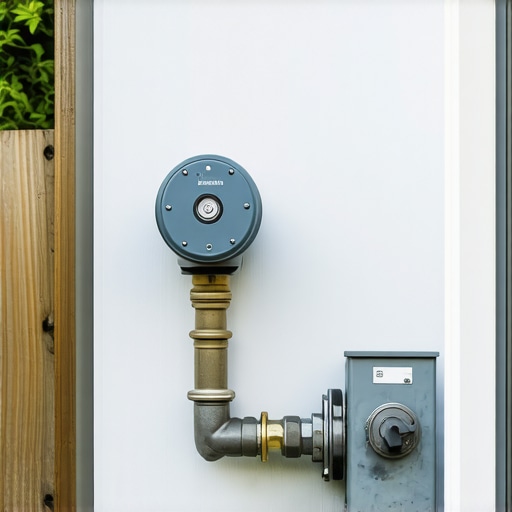
Why Your ADU Needs a Separate Water Meter
Just last summer, I found myself in a frustrating bind. My new Accessory Dwelling Unit (ADU) was finally finished, or so I thought. One day, I received an unexpectedly high water bill that made my stomach drop. Turns out, mixing the water rights between my main house and the ADU caused more trouble than I anticipated. That lightbulb moment taught me a crucial lesson: a dedicated water meter isn’t just a technical detail—it’s a lifesaver for homeowners like us.
The Real Reason to Get Your ADU a Separate Water Meter
When I first started planning my ADU project, I overlooked the importance of a separate water meter. I assumed that just connecting everything to the main water line would be fine. Spoiler alert: it isn’t. Without a dedicated meter, you risk both overpaying and losing control over your water use and costs. Plus, in case of repairs or leaks, troubleshooting becomes a nightmare. Having your own water meter allows you to monitor consumption, detect leaks early, and properly allocate costs, especially if your ADU is used as a rental or for guests.
Are Separate Water Meters Really Worth the Extra Cost?
This was my biggest worry—a concern I bet many homeowners share. Will it be worth the additional expense? Trust me, the peace of mind and transparency you gain is priceless. I’ve seen many cases where mixed water billing led to disputes or inflated bills, particularly when tenants or visitors are involved. And the good news is, installing a separate meter is more straightforward than you might think. If you’re curious about the ins and outs of this process, I recommend checking out this guide on navigating permit requirements, which covers essential steps for successful installations.
Early on, I made the mistake of assuming that a shared meter wouldn’t cause issues. That was a poor choice—one that cost me extra in the end. To avoid falling into the same trap, it’s vital to understand the perks and procedures involved. Keep reading, and I’ll share the step-by-step approach I used to secure my own separate water meter and save money in the long run.
Prepare Your Permitting Dossier
Start by reviewing local regulations to understand permit requirements. Visit this permit process guide to gather necessary documents. When I faced this, I temporarily stalled my project until I collected all paperwork, which saved me from costly delays later.
Estimate Costs and Choose Your Meter
Assess the expense of purchasing and installing the water meter. Use resources like expert estimating insights to create an accurate budget. I found that opting for a mid-range model balanced cost and durability, helping me stay within my project budget.
Coordinate with Your Water Utility Provider
Contact your local water authority to verify connection procedures. Think of it as booking a slot for a new phone line—your provider will explain required steps and inspections. I scheduled the appointment early, which prevented last-minute surprises that can derail installation timelines.
Plan the Installation Path
Design the route from your main water line to the ADU. Imagine it as mapping a delivery route—efficiency minimizes costs. I drew detailed sketches and consulted a plumber to confirm accessibility, avoiding future issues during actual installation.
Arrange for Permits and Inspections
Submit your application through your city’s permit portal. Use this permit understanding guide for detailed steps. During my process, I ensured all drawings and documentation matched local codes, which expedited approval and avoided rejections.
Schedule Professional Installation
Hire licensed plumbers who follow your approved plans. Think of it as hiring a specialist for delicate surgery—skills matter. I coordinated with my contractor and kept communication open to modify plans if unforeseen issues arose, ensuring the installation was up to code.
Testing and Final Inspection
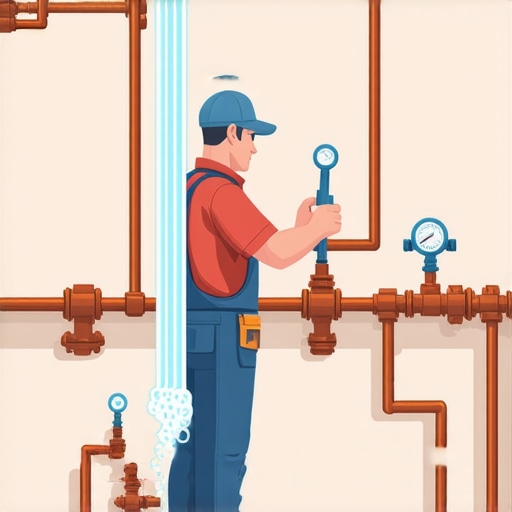
After installation, request a site inspection. Testing involves opening valves to check for leaks and proper operation. It’s like a quality check before driving off—vital to prevent future water damage. My inspector identified minor leakages that I corrected immediately, saving me from higher costs down the line.
Update Billing and Documentation
Once approved, ensure your water account reflects the new meter. Keep all records for future reference, such as rental agreements or tax purposes. I updated my billing info promptly, which prevented billing disputes and clarified expenses between tenants and myself.Many homeowners and even seasoned builders often operate under assumptions that can sabotage project timelines and budgets. A common misconception is that permits are mere bureaucratic hurdles, leading many to cut corners or delay applications until the project almost concludes. However, rushing through permit acquisition can result in costly reworks or legal issues—something I learned the hard way. According to construction expert Mark R. Johnson, early permit planning not only avoids penalties but also streamlines project execution, as detailed in his comprehensive guide on understanding permit processes.
When it comes to estimating costs for new builds and additions, many rely on rough guesses or outdated data, which can lead to budget overruns. The myth that “I know my area; I don’t need detailed estimates” is especially dangerous. In fact, studies show that projects with precise, comprehensive estimates tend to stay within 10% of their initial budget. This is why I recommend leveraging advanced estimation techniques documented in cost-effective estimating strategies. One of the most nuanced errors I’ve seen is underestimating hidden costs—unexpected drainage work, code upgrades, or material waste—that quickly inflate budgets.
Advanced builders also know that scope creep often lurks behind poor initial planning. A little extra room in your estimate for contingencies—usually 10-15%—can save you from sleepless nights later. Not to forget, many underestimate the importance of precise soil testing; the assumption that uniform ground conditions are the norm can backfire, leading to foundation issues or misaligned structures. Proper geotechnical analysis, as highlighted in soil testing essentials, is a hidden investment that pays off.
For the savvy builder, the true mastery lies in not just detailed estimates or permits but understanding the subtle interplay of all these factors. Did you know that nearly 65% of project delays trace back to permit mismanagement or inaccurate estimates? That statistic from the Construction Industry Institute underscores how critical these steps are.
Have you ever fallen into this trap? Let me know in the comments. Remember, mastering the nuances of permits and estimation not only saves money but also creates smoother project flows and happier clients.
Keeping Your Projects Running Smoothly with the Right Tools
Achieving long-term success in managing permits, new builds, and additions demands more than just initial planning. It requires a set of reliable tools and a proactive maintenance mindset. Personally, I swear by project management software like Procore because it consolidates all project documents, timelines, and communication into one platform, minimizing miscommunication and delays. Additionally, I use specialized estimating software such as STACK to refine cost calculations, ensuring accuracy that aligns with real-world figures. These tools are indispensable when scaling projects or handling multiple permits simultaneously, as they help keep everything organized and transparent.
For fieldwork, a high-quality laser distance meter—like the Leica D8—allows me to quickly verify measurements in tight spaces, reducing trips back to the drawing board. Staying organized with digital checklists, such as Evernote or Trello, ensures that maintenance routines and permit renewals don’t slip through the cracks. Trends in construction tech point toward more integrated solutions, like cloud-based data sharing, which I believe will become standard in the next few years, further streamlining long-term project management.
How do I maintain permits and equipment over time?
Regular upkeep of your digital tools is crucial. This means updating software licenses, backing up project files to secure cloud servers, and periodically reviewing permit statuses to avoid lapses. Maintenance also extends to physical equipment—regular calibration of measurement tools and inspection of safety gear prevent costly failures or inspections delays down the line. Establishing a routine schedule, perhaps quarterly, to review your permits and update your documentation makes the process seamless and less stressful.
In terms of scaling operations, developing a standardized checklist for permit renewals and inspections aids team consistency and reduces oversight errors. For estimating efforts, continually honing your skills by revisiting cost estimation techniques keeps you sharp and ensures your projections remain realistic as project scope evolves. Remember, the goal isn’t just to complete a project but to sustain its quality and compliance over years—investing in the right tools and maintenance practices today saves significant headaches tomorrow. I highly recommend trying out a comprehensive project management suite combined with precision measurement devices to see how much smoother your workflow becomes.
What I Didn’t Expect About Permitting and Water Meter Installation
One of the biggest surprises I encountered was how much real-world insight I gained from navigating the permit process. It’s not just about paperwork—it’s about understanding the local nuances that can make or break your timeline. For example, I discovered that some municipalities favor digital submissions, which can significantly speed things up. These little insider tips are gold when you’re locking down the logistics of ADU water management.
How Embracing the Unexpected Can Save Your Project
Throughout my journey, I realized that flexibility and proactive communication are your best allies. When unforeseen issues like soil conditions or inspection delays pop up, having a plan B (and even plan C) keeps the project moving. This mindset shifted my approach from reactive to strategic, reducing stress and saving money. I learned the hard way that every unexpected hurdle is an opportunity to refine your process and become a more confident homeowner or builder.
Identifying Hidden Costs Before They Hit Your Budget
In my experience, underestimated expenses—such as additional permits, custom meters, or extra inspections—can suddenly inflate your project costs. The key is comprehensive early estimation, including those sneaky line items. I found that consulting detailed guides like this resource helped me account for every penny, so I could adjust my plans proactively rather than reactively.
Curated Tools to Keep Your Water and Permitting Process Smooth
Over time, I’ve come to rely on specific tools that make permit management and water meter installation less daunting. Software like Procore consolidates all project documents, while estimating platforms such as STACK ensure my budgets stay on track. For precise measurements, tools like the Leica D8 laser distance meter are game-changers. These resources make the complex simple and help me maintain control even when the project scales up.
Take Charge and Turn Your ADU Dreams Into Reality
Remember, mastering permit procedures and water management for your ADU isn’t just about compliance—it’s about empowering yourself to create a space that adds value, comfort, and functionality to your home. With careful planning, the right tools, and a mindset ready to adapt, you’ll be surprised how smoothly things fall into place. The journey may be intricate, but the payoff is worth it—an independent, sustainable living space created by your own hands.
What’s been your biggest challenge when dealing with permits or water systems? Share your story below and let’s learn from each other’s experiences!
,