The Hidden Fee for Using a Public Sidewalk During Construction
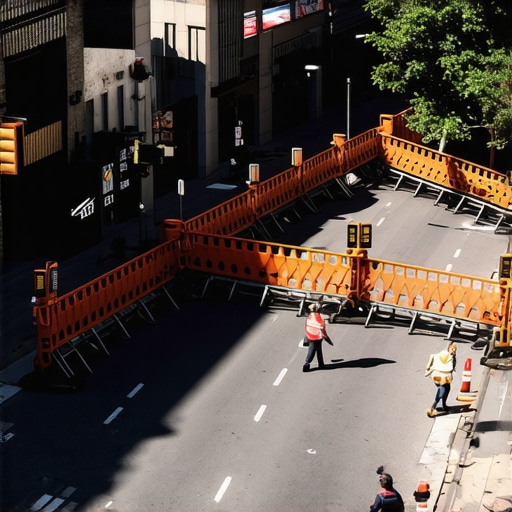
It was a hot summer afternoon when I realized I’d overlooked something essential—something that would cost me more than I bargained for. I was excited, finally breaking ground on a much-needed home addition, but little did I know, a sneaky fee was lurking just beneath the surface. As I stepped out to check the progress, I found myself staring at a hefty invoice labeled “Sidewalk Usage Fee.” That moment hit me hard—how could I have missed this hidden expense? And more importantly, how many others are unknowingly falling into the same trap?
The Unexpected Fee That Can Derail Your Construction Budget
When I first embarked on my project, I thought permits and material costs were the big hurdles. But it turns out, public sidewalk usage during construction is often overlooked yet can carry a significant fee—sometimes hundreds, even thousands, of dollars. This is a classic example of an expense that quietly sneaks into your project, catching homeowners off guard and bloating their budgets. The trouble is, many of us aren’t informed about these hidden fees until we get hit with them at the worst possible time. That’s where my lightbulb moment happened: understanding the full scope of permitted construction activities, including sidewalk usage, is crucial from day one. To avoid these unforeseen costs, it’s wise to consult resources like comprehensive guides on permit acquisition and ensure you’re fully aware of local regulations. In my case, a simple call to the city’s permit office could have saved me a good chunk of change. Don’t let an unexpected sidewalk fee derail your financial planning or project timeline—be proactive. I know firsthand how frustrating it is to discover these costs midway through construction. If you’ve faced similar surprises, I invite you to stay with me as we explore how to identify, understand, and manage these hidden fees effectively. We’ll also look into strategies for streamlining the permit process, so your build stays on track and within budget.
Start with a Detailed Permitting Strategy
Before breaking ground, develop a comprehensive permit plan. Visit the local building department or check their website to understand required permits. I recall my own experience when I realized I needed a permit for the new deck; I visited the city’s permit portal and downloaded the application forms, which clarified the process. Ensuring all documentation is in order prevents costly delays later.
Break Down Permit Requirements
Identify all permits necessary: building, electrical, plumbing, and possibly environmental if wetlands are nearby. Cross-reference local codes using resources like the permit guides. My mistake was assuming a single permit covered all; I applied separately for the electrical work, which saved me from potential fines and rework.
Itemize and Estimate Each Cost
List every element—materials, labor, permits, site prep—and assign realistic costs. Use a detailed estimating method such as the one in cost-effective techniques. In my project, I used a spreadsheet to track estimated versus actual expenses, which revealed where I was overspending on lumber and fixtures.
Use Empirical Data and Technology
Leverage recent quotes from suppliers, and consult online calculators for rough estimates. I once realized I had underestimated framing costs by 15% after requesting quotes from local suppliers and comparing them to my initial figures. Incorporating buffer margins prevents surprises.
Streamline Permit Submission and Approvals
Prepare all documentation meticulously. Submit applications early, using resources like permit acquisition guides. My approach was to electronically submit my permit for the addition; it cut approval time in half compared to paper applications. Follow up regularly to address any comments swiftly.
Track and Address Delays
Maintain communication with permit officials. If delays happen, ask for specific reasons and work to provide additional documentation promptly. During my project, a delay due to missing site plan details was resolved quickly once I coordinated with the permit officer.
Integrate Cost Control into the Construction Timeline
Regularly update your budget estimates against actual expenses. Adjust your plan as needed, and keep contingency funds available. I kept weekly budget reviews, which helped me catch cost overruns early, especially when my electrician’s quote exceeded initial estimates due to unforeseen code upgrades.
 Many property owners assume that permits are just a bureaucratic hurdle and that estimating costs is straightforward. However, these misconceptions can lead to costly mistakes. One widespread myth is that once you’ve obtained the necessary permits, all your costs are accounted for. In reality, permit requirements often involve nuanced regulations that can impact project scope and expenses, especially regarding less obvious factors like sidewalk usage fees during construction. For instance, homeowners frequently overlook the importance of detailed permitting strategies, which can result in delays and unexpected charges if not proactively managed. Advanced mistakes include underestimating material wastage or neglecting the specific rebar specifications for foundations, which can inflate budgets unexpectedly. Such errors highlight the need for precise, data-driven estimation techniques—using recent supplier quotes and accepted industry standards, as explained in expert estimation guides. Moreover, a common trap is assuming that permit processes are uniform across regions. In fact, local codes and fee structures vary significantly, making it vital to consult authoritative resources like comprehensive permit guides. Failing to recognize these nuances can cause your project timeline to extend unexpectedly. Additionally, many overlook the advanced intricacies such as environmental constraints or existing easements, which might restrict certain build elements. This underscores the importance of a detailed, proactive permitting plan, as discussed in understanding permit processes. To steer clear of these pitfalls, it’s essential to integrate thorough research and precise estimation at every stage of planning. Don’t wait until you’re under construction to discover hidden costs. Instead, learn how to identify and manage these advanced nuances early, saving both time and money. When considering your next project, ask yourself: Have you ever fallen into this trap? Let me know in the comments.
Keeping Your Equipment in Prime Condition
One of the most vital aspects of ensuring your construction projects stay on track is maintaining your tools and equipment diligently. I personally swear by regular lubrication of power tools and checking for wear and tear before each use, which drastically reduces unexpected breakdowns. For instance, I make it a point to clean and lubricate my nail guns and saws weekly, especially after heavy use. This simple habit extends the lifespan of my tools and keeps performance consistent.
Investing in Reliable Software Solutions
When it comes to estimating costs and managing permits, I rely on robust software like Buildertrend and Procore. These platforms help me track project timelines, change orders, and communicate with clients seamlessly. They also store all necessary documentation, ensuring I’m prepared for inspections or permit renewals. Using cloud-based tools means I can access project data from anywhere, which proves invaluable when unforeseen issues emerge and swift decisions are needed.
Predictions for the Future of Construction Management
I believe the integration of AI-driven project management tools and IoT-connected equipment will revolutionize how we maintain and oversee builds. Automated sensors could soon monitor equipment health in real-time, alerting us to potential failures before they happen and minimizing downtime. Embracing these technologies now sets the foundation for scalable, efficient operations down the line.
How do I ensure long-term reliability of my tools and processes?
Developing a scheduled maintenance routine is key. Set reminders to inspect and service your equipment, update your software regularly, and stay informed about the latest tech advancements. For example, I recently integrated predictive analytics software into my project management workflow—this has helped me identify potential delays early, saving time and costs. To optimize your approach, consider reviewing expert strategies for adding value to your projects and incorporating maintenance checkpoints accordingly.
Consistent maintenance not only prolongs the life of your tools but also enhances overall project quality and safety. Try implementing a comprehensive maintenance schedule this week and observe how it improves your workflow over time. Remember, proactive upkeep can be your best investment in long-term project success.
For tailored advice on managing your equipment and processes, don’t hesitate to reach out to my team. We’re here to help you build smarter and more efficiently.
Three Surprising Lessons That Redefined My Approach
My most impactful lesson was realizing that permits are more than just boxes to check; they are opportunities to preempt costly mistakes. I learned that building relationships with local officials often reveals insider tips, like hidden fees or specific documentation quirks, that no guidebook covers. Lastly, I discovered that detailed early planning, including understanding regional nuances, saves money and time—reality check: rushing permits or estimates often leads to missed fees or overlooked requirements that emerge midway. These personal revelations transformed my process from reactive to proactive, emphasizing the importance of thorough research and establishing rapport with authorities from day one.
My Go-To Resources for Building Smarter
First, I rely on comprehensive permit guides, because they offer region-specific insights that prevent surprises. For accurate cost estimates, I turn to cost-effective estimation techniques, which help me allocate contingency funds wisely. When I want to streamline permit applications, permit acquisition guides show me how to avoid delays. Lastly, expert strategies for adding value keep me focused on optimizing every aspect of the build, ensuring long-term satisfaction.
The Push That Inspired My Next Step
Taking control of permit and estimation processes isn’t merely about paperwork—it’s about empowering yourself to build with confidence. I encourage you to dive into these resources, ask questions early, and view each challenge as an opportunity to learn. Remember, every project is a chance to refine your skills and avoid common pitfalls. So, are you ready to take that first proactive step toward smarter building? Share your experiences or questions below—I’d love to hear how you’re planning to master your next build or addition.