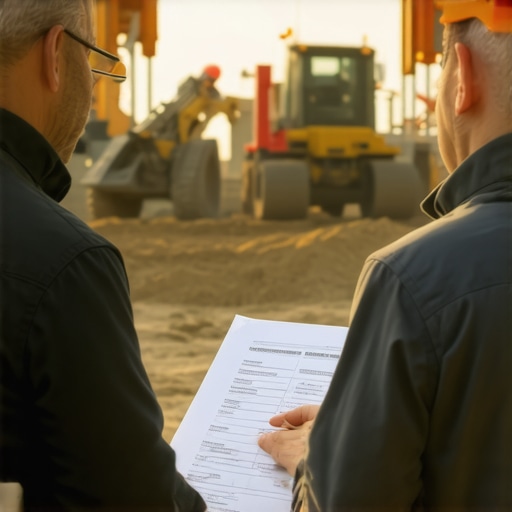
How to Verify That Your Contractor Is Paying Their Subcontractors
I remember a project I was proud of—until I learned that my contractor hadn’t paid their subcontractors. That lightbulb moment left me questioning everything about trust and oversight in construction. Ever been in a situation where your home improvement or new build suddenly felt uncertain, simply because you didn’t have a reliable way to verify payments? You’re not alone, and trust me, this is a problem more common than you’d think. Today, I want to share how you can proactively ensure that your contractor is paying their subcontractors, protecting your investment and peace of mind.
Why You Can’t Just Take Their Word for It
Many homeowners and even some seasoned property owners assume that if a contractor is getting paid, then all the subs should be too. But this assumption can be dangerously inaccurate. Imagine the fallout: unfinished work, potential liens, or even legal disputes—all because the subcontractors weren’t paid properly. The reality is, there’s often a disconnect between what the contractor claims and what actually happens behind the scenes. According to industry insights, about 20% of construction liens are filed due to non-payment, which can delay or even halt your project entirely. This startling statistic underscores why verifying payments isn’t just smart—it’s essential.
Are These Checks Really Necessary? Or Overkill?
You might be skeptical, thinking, “Isn’t it enough to trust that the contractor is doing their job?” I get it. I used to believe that too. Early on, I made the mistake of trusting verbal assurances, only to face costly delays and incomplete work. That experience taught me that proactive verification can save you time, money, and stress. For example, regularly reviewing lien waivers and payment applications can provide concrete proof that subcontractors are paid. Want to get a head start? Check out techniques on understanding permit processes—because the payment status often ties into the permits and approvals, giving you clues to the financials.
Have you ever encountered a situation where subcontractors suddenly vanished or worked but weren’t listed as paid? If so, you’re not alone. Drop a comment below—I’d love to hear your experiences. Next, we’ll look into tangible steps to verify those payments efficiently, so you don’t have to rely solely on trust.
Review Payment Applications Consistently
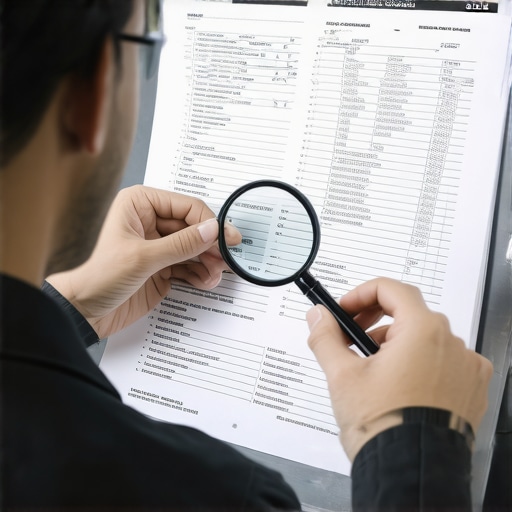
Start by requesting and reviewing payment applications from your contractor weekly. These documents detail what work was completed and the amount owed. During my last renovation, I requested copies of the payment applications every Friday. This constant review allowed me to identify a discrepancy early—when I noticed a subcontractor’s payment application showed a higher invoice than the work completed. Addressing this immediately prevented overpayment and safeguarded my project budget.
VerifyLien Waivers and Release Forms
Ask for lien waivers from subcontractors and suppliers at each payment stage. These legal documents confirm that they have received payment and waive their right to file a lien against your property. I once requested lien waivers before issuing a payment check, and when I noticed a waiver from a crucial subsupplier was missing, I followed up directly. This step proved vital, as I later discovered that a subcontractor had not been paid, despite the contractor’s assurances.
Check Permits and Inspection Reports
Inspect the permit approval process and scheduled inspections, which are public records often accessible online or at your city’s building department. Permits are usually linked to payment milestones, so their approval indicates progress and corresponding payments. During a project, I visited the city’s permit portal regularly, cross-referenced the permit status with payment requests, and noticed a permit was approved before the subcontractor’s lien waiver was signed. This discrepancy alerted me to potential non-payment, prompting a direct contractor discussion.
Communicate with Subcontractors Directly
Build relationships and confirm payments with subcontractors when possible. If subcontractors are willing, request confirmation of payment from them. In my experience, a quick call to a subcontractor revealed they hadn’t been paid, even though the contractor had assured me otherwise. Regular communication helps catch issues early and build trust — which is especially crucial if you’re managing a large project with multiple teams.
Leverage Construction Management Tools
Use project management and construction accounting software to track payments, lien waivers, and permit statuses in real-time. I integrated a simple tool that allowed me to upload scanned lien waivers and payment receipts, which I could review at any time. This centralized system kept me informed and made it easier to spot inconsistent records, saving me from costly surprises down the line.
Understand the Permit and Inspection Timeline
Familiarize yourself with the typical permit process using resources like this guide. Knowing that permits generally proceed in phases—initial approval, foundation, framing, occupancy—helps you correlate payments to project milestones. Once, I paid for a foundation before receiving the permit approval, which caught my attention. Clarifying payment schedules aligned with permit statuses can prevent being out of sync with project progress.
Deconstructing Permits: More Than Just Paperwork
Many believe that securing a permit is merely a bureaucratic hurdle. However, the nuanced reality is that permits serve as a detailed blueprint of your project’s compliance with local codes, safety standards, and zoning laws. Overlooking these details can lead to costly delays or legal complications. For example, a common misconception is that once permits are issued, the project is fully compliant. In reality, permits often have specific conditions—like special inspections or restrictions—that demand ongoing attention. According to industry experts, misinterpreting permit conditions accounts for nearly 15% of project delays, highlighting the importance of understanding permit nuances beyond the initial approval.
Why Many Get Additions and New Builds Wrong from the Start
It’s tempting to think that estimating costs is straightforward—calculate square footage times a per-square-foot rate. But this oversimplification ignores critical factors like site conditions, material choices, and permitting requirements. A widespread myth is that high-end finishes drastically inflate costs, but in my experience, those are often offset by strategic budgeting elsewhere. The hidden nuance lies in accurately estimating unseen variables such as soil conditions or unexpected site modifications. For instance, a typical foundation estimate might overlook underground obstructions like rocky soil, leading to significant budget overruns. Skilled estimators leverage advanced estimating techniques to mitigate this risk, ensuring their budgets reflect reality.
Can You Really Trust Your Cost Estimates?
Surprisingly, many homeowners and even contractors underestimate how much hidden costs can emerge mid-project. This isn’t due to negligence but often a lack of detailed initial assessments. For example, older structures may contain asbestos or lead paint, requiring costly mitigation measures not accounted for initially. The key is to conduct thorough site investigations and incorporate contingency allowances—typically 10-20% of the project budget—into your estimates. According to a study by the Construction Management Association of America, projects with detailed pre-planning and realistic contingency planning are 35% more likely to stay within budget. Want to avoid these pitfalls? Check out this guide for strategic planning tips.
Have you ever fallen into this trap? Let me know in the comments. The real mastery lies in paying attention to these hidden details—knowing that initial decisions about permits, estimating, and site evaluation shape your project’s success from day one. By digging into these nuances, you can avoid common pitfalls and set your project on a path to smooth execution.
Keeping Your Construction Projects in Top Shape
Once your home addition or new build is underway, maintaining the momentum and ensuring systems stay functional are critical. I personally rely on a combination of advanced software and disciplined routines to keep everything running smoothly. One tool I can’t recommend enough is Buildertrend, a cloud-based project management software that consolidates communication, scheduling, and document sharing. Its real-time updates mean I can catch delays or discrepancies early, avoiding costly rework. For financial tracking, I prefer CoConstruct, which lets me monitor budgets and change orders comprehensively, ensuring no detail slips through the cracks.
Beyond software, regular inspections have been instrumental in my projects. I schedule monthly site reviews, checking on permit statuses, safety compliance, and system performance. This habit not only prevents small issues from escalating but also keeps the project aligned with initial estimates and timelines. When issues do arise, I turn to permit process tips for quick guidance on addressing permit-related hurdles, especially during long-term projects.
What Do I Do to Maintain Long-Term Results?
Long-term performance hinges on proactive maintenance. I recommend setting up a detailed schedule for periodic inspections—think of it as a health check for your home. For example, after finishing a new build, I document critical system locations, like electrical panels and HVAC units, with detailed photos and notes. This makes future troubleshooting much easier and prevents unnecessary downtime. Also, investing in durable, quality materials from the start, and keeping an organized inventory of spare parts, ensures you can quickly respond to any component failure or wear and tear.
Technology continues to evolve in this space. I predict that integrated sensors connected to smart home systems will become standard, allowing automated maintenance alerts for things like water leaks or HVAC efficiency drops, as discussed in home addition guides. Embracing such innovations now can save money and extend your project’s lifespan.
How do I keep systems reliable over time?
Start with routine checks on all major components—electrical wiring, plumbing, roofing, and HVAC. Use high-quality inspection tools like a digital moisture meter or electrical circuit tester. I routinely test my systems with these devices to catch issues early. Document each inspection thoroughly, maintaining a digital log that I review quarterly. This practice catches patterns—like recurring leaks or wiring issues—before they become emergencies. Additionally, maintaining access to system manuals and warranty info ensures quick action if repairs are needed. For complex systems, I use maintenance scheduling software integrated with my project management tools, ensuring nothing slips through the cracks.
As construction technology advances, expect more predictive maintenance features to emerge—like AI-based diagnostics that analyze data from sensors. Staying ahead by integrating these tools can dramatically improve long-term performance. For now, start by adopting a disciplined routine of inspections and documentation to keep your project working well long after the last nail is driven. If you’re interested in streamlining your maintenance routines, consider trying a digital inspection tool and see how it transforms your project management approach.
Uncover the Hidden Truths That Could Save Your Project
One of the most valuable lessons I learned was that even the most professional-looking contractors can hide payment mistakes until it’s too late. Trusting without verification can lead to costly surprises. Regularly reviewing lien waivers and payment applications can serve as your financial safety net, providing peace of mind.
Permits are more than just paperwork—they’re indicators of progress and payment milestones. Ensuring that inspections align with payment schedules allows you to catch discrepancies early. And direct communication with subcontractors can unearth issues that formal documents might miss. Embracing construction management tools transformed my oversight process, making it more efficient and reliable.
Finally, understanding the permit process deeply, rather than just superficially, prevented many delays and misunderstandings. The cornerstone of my success was paying attention to these nuanced details—ones often overlooked by many homeowners. This proactive approach isn’t just smart; it’s essential for safeguarding your investment.