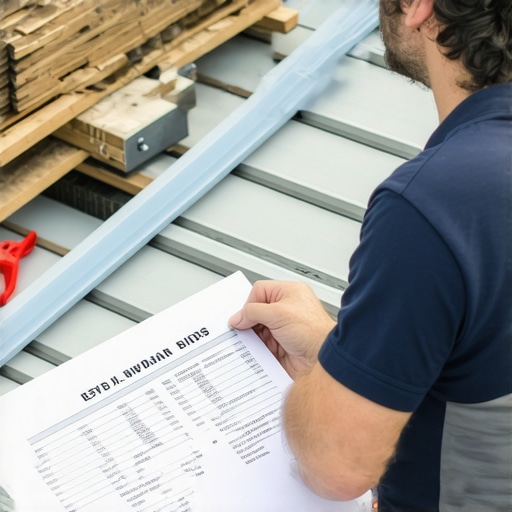
How to Spot a Low-Ball Roof Bid Before It’s Too Late
I remember the exact moment I realized I’d been duped by a sneaky contractor. I was eager to finally roof my new addition, but after signing on the dotted line, I noticed the bid seemed unusually low. Suspicion started to creep in, and soon I was faced with unexpected costs and delays. That experience taught me a crucial lesson: not all estimates are created equal, and some can hide costly surprises—especially with roof bids.
Why a Low-Ball Roof Bid Should Set Off Your Alarm Bells
In my early days of estimating, I thought that a lower price always meant a better deal. Turns out, that’s rarely the case. When a bid is suspiciously low, it often hints at corners cut, subpar materials, or worse, an inability to meet project standards. According to a recent survey by HomeAdvisor, over 30% of homeowners reported discovering hidden costs after signing a contract, many of which stemmed from underestimated bids. This highlights a critical point: a too-good-to-be-true bid might just be that—too good to be true.
Is Spotting a Low Bid Actually Worth the Effort?
At first, I brushed it off, thinking I’d save a few bucks. But then I learned from painful experience that rushing into a low bid can lead to bigger expenses and headaches down the road. Making this mistake early on, I failed to ask the right questions and overlooked key warning signs. That’s a mistake I don’t want you to repeat. Recognizing the signs of a low-ball bid is essential to protecting your investment and ensuring your project’s success. If you’re wondering whether your current estimate is fair—or a red flag—it’s worth taking the time to dig deeper and assess the bid thoroughly.
Break Down Every Element of Your Estimate
Start by itemizing each part of the project—the roofing materials, labor, permits, and cleanup. Think of it like building a sandwich: each layer—from bread to fillings—must be accounted for to avoid surprises later. For my recent roof project, I made a detailed spreadsheet listing every component, which helped me spot areas where bids appeared inflated or underestimated.
Compare Materials and Labor Costs Precisely
Know the market prices for roof shingles, underlayment, flashing, and nails. Reach out to multiple suppliers or reference reputable sources like estimating guides to ensure accuracy. When I was estimating my last roof, I called three suppliers for quotes and found a surprising 15% variation. Using the average prevented me from overpaying and gave me leverage during negotiations.
Estimate Time and Crew Effort Realistically
Evaluate the project scope to determine how many workers and hours are needed. Remember, rushing can lead to errors, and understating effort can cause delays. I once underestimated crew time on a flat-roof replacement; my bid was low, but it resulted in overtime costs that ate into my profit. Break down tasks like tear-off, prep, installation, and cleanup, and assign realistic timeframes based on experience or consulted estimates.
Account for Permitting and Inspection Fees
Permits are often overlooked but can significantly impact your budget. Research local regulations—these vary widely—and include costs for application, inspection, and possible re-inspections. For my project, I used resources from permit guides to estimate fees accurately. Never assume permits are free; a miscalculation here leads to project halts and extra expenses.
Factor in Unexpected Costs and Contingencies
Always add a contingency buffer—typically 10-15%—to cover unforeseen issues like delays, material price hikes, or hidden damage. During a recent estimate, I included a 15% contingency after discovering unexpected rotting wood underneath the shingles. This proactive step saved me from financial strain when surprises arose.
Validate Your Estimate with Past Projects or Experts
Cross-check your numbers against previous projects or consult with experienced estimators. Sharing your bid with a subcontractor, like a roofing specialist, can uncover overlooked costs or errors. I once ran my estimate by a local roofer, who pointed out I had underestimated weatherproofing costs, saving me from costly rework.
Use Estimating Software or Templates
Leverage tools designed for construction estimates. While manual calculations are good, software like estimating programs expedite the process and improve accuracy. I experimented with several templates and found that customizing a reliable spreadsheet aligned best with my projects’ specifics.
Don’t Forget the Permits
Understanding the permit process is essential. Dive into resources like permit guides to learn the necessary steps, timeline, and costs. My experience with permit applications taught me that early preparation reduces delays and surprises, ensuring your bid is comprehensive and realistic.
Many homeowners believe that estimating a construction project is simply about adding up material costs and labor wages, but this oversimplification can lead to costly misunderstandings. Let’s dig deeper into the nuances that can make or break your budget and project success. First, a widespread myth is that detailed estimates are always accurate, but in reality, even the most thorough plans can overlook hidden factors like soil conditions or unforeseen code requirements. Contractors might intentionally omit or understate these to appear competitive. A critical trap to avoid is relying solely on initial bids without scrutinizing the assumptions behind them—particularly regarding permits, site prep, or specialized inspections. For example, neglecting to account for a complex permitting process can result in delays and added expenses, as explained in detail in this comprehensive permit guide. Advanced estimators understand that permits often involve more than just application fees; they include design reviews, possible revisions, and code compliance measures, especially when building near wetlands or in historic districts. Moreover, many underestimate the time and effort needed to secure approvals, which can cause your entire schedule to shift. This is where the real nuance lies: understanding the local permitting landscape and factoring in the ‘oops’ factor. An educated guess might suggest that a straightforward addition takes a few weeks, but delays due to unanticipated zoning restrictions or environmental reviews could extend this to several months. According to research from construction industry analyst BuildZoom, projects that skip comprehensive permit analysis face a 40% higher risk of cost overruns. To dodge these pitfalls, it’s wise to validate your estimates with experienced professionals or absorption costs into your contingency budget. Remember, missing the permit component isn’t just a bureaucratic error—it’s a direct contributor to project failure. Have you ever fallen into this trap? Let me know in the comments. For detailed strategies on ensuring your permit process runs smoothly, explore this guide.
Keep Your Estimates on Track with Innovative Tools
Maintaining precise estimates as your project evolves is crucial to staying within budget and avoiding surprises. I personally rely on a combination of advanced software and disciplined methods to ensure my estimates remain accurate throughout the project lifecycle.
Leverage Cloud-Based Estimating Software for Real-Time Adjustments
One tool I recommend is estimating software like BuildSmart Pro. I use it because it allows me to update material costs instantly, track changes, and compare scenarios without juggling multiple spreadsheets. This flexibility is vital when unforeseen costs or design changes occur, enabling me to adapt my budget dynamically.
Implement Routine Cost Audits to Detect Variance
Regularly auditing your expenses against initial estimates helps catch deviations early. I schedule bi-weekly reviews during construction—comparing actual invoices to projections. This practice not only highlights areas where costs are spiraling but also keeps my overall budget aligned with current project realities.
Adopt Digital Project Management for Better Communication
Using project management tools like BuilderTrack streamlines communication among stakeholders. Clear, documented updates help prevent misunderstandings that can inflate costs due to rework or misaligned expectations. As projects become complex, this digital cohesion is indispensable.
How do I maintain estimates over time? The secret lies in continuous re-evaluation and embracing technology. By integrating real-time data, routine audits, and collaborative software, I keep my projects financially healthy and on schedule. For a deeper dive into estimating trends, check out top strategies for accurate project budgets.
Looking ahead, I predict that AI-powered estimation tools will become mainstream, offering even more precise predictions by analyzing vast datasets. Challenging enough? Try implementing a cloud-based estimating platform today, and see how it transforms your project management approach.
Beyond the Numbers: Surprising Truths About Estimating and Permits
One of the most eye-opening lessons I learned was that even meticulous estimates can hide unexpected pitfalls. For instance, I once trusted a bid that looked airtight but overlooked intricate permit requirements, leading to significant delays. Real-world experience taught me that understanding local permitting nuances can make or break your project timeline and budget. Additionally, I discovered that contractors often adjust bids based on perceived risks, which means an unusually low quote might be masking holes in their plan or hidden costs.
The Role of Experience Over Assumptions
My journey showed me that trusting gut feelings about bids isn’t enough—leaning on industry veterans’ insights can save you from costly mistakes. A seasoned estimator can spot red flags that a novice might miss, especially regarding complex permit processes or unique site conditions. For example, consulting with local permitting experts provided clarity that prevented surprises during inspections.
Flexibility Is the Secret Weapon
Sticking rigidly to initial estimates can be a recipe for frustration. I learned to factor in contingencies and stay adaptable, especially when updating estimates mid-project. Using software that allows real-time adjustments ensured I could respond swiftly to unforeseen issues like soil complications or permit rejections, maintaining project momentum and controlling costs.
My Essential Tools for Smarter Estimating
Over years, I’ve curated a toolkit that truly makes a difference. Estimating software like BuildSmart Pro has become my go-to for dynamic cost management, integrating market data seamlessly. I also rely on comprehensive guidebooks, such as this construction guide, which breaks down permit intricacies and best practices. Additionally, regular consultation with local permitting officials keeps my estimates grounded in current regulations and processes, reducing last-minute surprises.
Connecting with Experts Makes All the Difference
Building a network of trusted professionals—permit specialists, engineers, and experienced contractors—has transformed my approach. Their insights help validate or challenge your estimates, ensuring comprehensive coverage of potential costs. For example, a quick chat with a permit expediter clarified the timeline and fees, which otherwise could have been overlooked.
Step Into Action and Transform How You Approach Estimating
Armed with these lessons and tools, you’re better positioned to avoid the common pitfalls that trip up many homeowners and builders. It’s not just about crunching numbers—it’s about understanding the story behind those numbers and how local regulations influence your project’s success. Remember, thorough research, expert advice, and adaptable strategies are your best allies. Ready to elevate your estimating process? Dive deeper with our step-by-step guide and start building confidence in every bid you review.