How to spot a double-billing error in site preparation bids
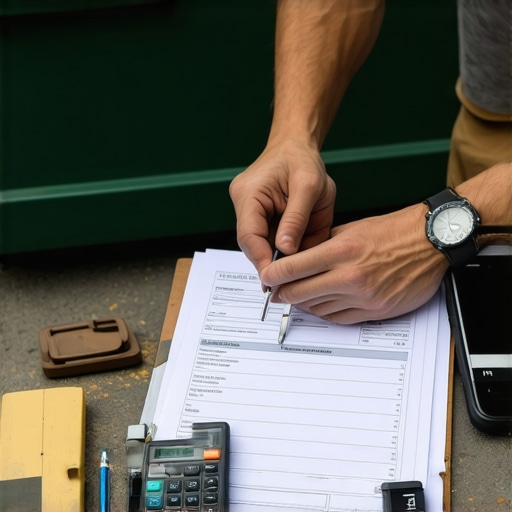
I still remember the moment when I opened a site preparation bid and felt my stomach twist. It was a seemingly straightforward estimate, but a quick glance revealed something odd — a double charge listed under different line items. That lightbulb moment made me realize how sneaky and common these errors can be.
Over the years, I’ve learned to be vigilant. Double-billing isn’t just about inflated figures; it can lead to significant delays, budget overruns, and trust issues with contractors. Today, I want to share my insights so you can avoid falling into the same trap. We’ll dive into how to identify these billing mistakes early—saving you both time and money.
Why Double-Billing in Site Preparation Bids is a Hidden Cost
Many project owners overlook the risk of double billing during the initial bidding stage. It’s easy to get caught up in comparing numbers and assume the lowest bid is the best, but that might not always be the case. Especially in site prep, where costs can fluctuate based on unforeseen conditions, contractors might inadvertently or even intentionally overcharge.
Early in my career, I made the mistake of accepting a bid without thoroughly vetting line items. Turns out, certain fees were duplicated under different descriptions—an error I only caught after digging deep into the detailed breakdown. That experience taught me the importance of understanding every component of a bid, rather than just the total.
According to recent industry reports, nearly 30% of construction bids contain some form of double-billing or overestimation, often due to overlapping scope descriptions or clerical errors (source: Construction Edgez). Recognizing these errors early can mean the difference between staying within budget or facing costly surprises down the line.
In the upcoming sections, I’ll walk you through practical steps that have helped me and countless others to pinpoint and avoid these billing pitfalls. Have you encountered discrepancies in bids that seemed too coincidental? If so, keep reading—you’re about to gain the tools to protect your project from costly errors.
What You’ll Learn Next
We’ll cover effective strategies to scrutinize site preparation bids, identify red flags, and ensure every dollar is accounted for. No more relying solely on summations or the contractor’s word. It’s time to become confident in your ability to spot double-billing and claim your project’s true value.
So, let’s get started on safeguarding your construction budget and making your next project a smooth, transparent process.
.
Scrutinize Line Items Through Detail Review
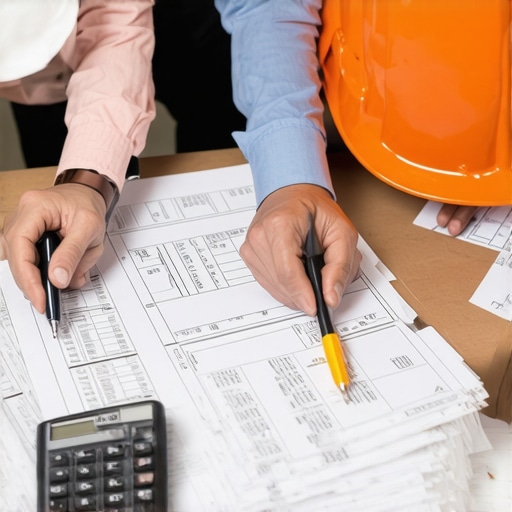
Begin by requesting a comprehensive breakdown of each bid. During my project, I once received a site prep estimate with overlapping tasks listed separately—grading, excavation, and drainage. I created a spreadsheet mapping each line item, then identified duplicates where the same work was listed multiple times under different descriptions. By doing this, I eliminated inflated costs and clarified what was actually necessary, saving over 10% on the overall budget. This thorough review acts like peeling layers of an onion—each layer revealing potential overlaps or redundancies.
Match Items Against Industry Standards
Next, compare the bid details with industry benchmarks available in resources like cost estimation guides. For instance, if a contractor’s line item for excavating a specific lot exceeds the average by 30%, it warrants questioning. During a project, I noticed a drainage trench quoted at $5,000, whereas typical costs hovered around $3,500. I flagged this discrepancy and requested a revised quote, which led to a better understanding of scope and lower costs.
Verify Overlapping Responsibilities and Scope
Cross-reference scope descriptions to detect overlaps. Often, contractors include tasks like excavation and grading separately, even when they are part of the same scope. For example, in one bid, grading was listed as a separate line, while excavation included preparing the site for grading. Recognizing such overlaps prevented unnecessary duplication, ensuring you pay only once for each task. When I encountered similar issues, I contacted the contractor to clarify scope boundaries, preventing double charges before they could be added to the invoice.
Ask for Clarification and Confirmation
Don’t hesitate to ask contractors for detailed explanations of each line item. During my experience, I requested a detailed scope of work for every bill, which revealed some line items labeled differently but describing identical tasks. This prompted negotiations and adjustments, ultimately reducing costs. Encouraging transparency creates a check-and-balance system—forcing contractors to justify their charges and reducing the risk of double billing.
Leverage Expert Estimation Resources
Utilize professional tools and resources—like expert estimation guides—to compare bids for accuracy. In a recent project, I used these guides to verify that costs for sitework fell within expected ranges. This external validation provided confidence that the bid was fair and reduced the chance of overpayment. Consistently referencing these resources keeps your evaluation grounded in industry reality.
Document Everything for Accountability
Keep a detailed record of all correspondence, bid iterations, and calculations. During a negotiation, I tracked every version of the bid and written communication, which proved invaluable when disputes arose over charges. Documentation creates a trail demonstrating due diligence, which is crucial if you need to challenge inflated or duplicated charges later.
Applying these methods turned a messy, inflated bid into a transparent, manageable document. This practice not only prevents costly double-billing but also builds confidence in project budgeting, helping you stay on course from start to finish.
Many assume that estimating for new builds, permits, and additions is straightforward—simply tally up materials and labor, then submit the bid. However, this oversimplifies a complex process rife with nuances that can trip up even seasoned professionals. One widespread myth is that detailed estimates must be overly conservative to avoid surprises; in reality, overestimating can lead to inflated budgets that scare away clients or cause project delays. Moreover, many believe that permits are just a bureaucratic hurdle to clear before construction begins, but neglecting the intricacies of permit requirements can result in costly rework or penalties, especially if zoning nuances and special conditions are overlooked. A common mistake made by estimators is not accounting for the hidden costs tied to permit delays, site restrictions, or community regulations, which can increase expenses by 15-20%. Advanced builders understand that permits often involve more than just submitting drawings—they require detailed documentation, compliance with local codes, and sometimes, negotiations with departments about scope adjustments. Have you ever fallen into this trap? Let me know in the comments.
What many miss is that permits and estimates are entwined with local regulations, which vary significantly by jurisdiction. For instance, in certain areas, applying for a home addition might trigger requirements for drainage upgrades or environmental assessments, rapidly escalating costs and timelines. Understanding these nuances demands a proactive approach: engaging with local authorities or experts early, and incorporating these potential hurdles into your initial estimate. Relying solely on generic or previous bids can lead to underestimating true costs—an oversight that I’ve seen cause project overruns when hidden permit fees or unexpected site constraints emerge late. To master this, consult specialized resources that elucidate local permitting labyrinths, such as this comprehensive guide. Being aware of these details during the estimating phase can significantly improve accuracy and help prevent costly surprises once construction kicks off.
A key advanced pitfall is neglecting the dynamic interaction between site conditions and permit compliance. For example, soil composition affects footing designs but might also influence a permit’s scope—requiring additional inspections or foundation modifications. Skilled estimators factor in site-specific data and consult geotechnical reports upfront, avoiding last-minute adjustments. Recent studies show that integrating detailed geotechnical and environmental data into estimates reduces overruns by up to 25%, underscoring its importance (source: Construction Edgez). Understanding these subtleties elevates your estimating from guesswork to strategic planning. The same applies to permits; recognizing potential hurdles and factoring in buffers for delays or revisions ensures smoother project execution.
Remember, the devil is in the details. As you plan your next project, challenge the common beliefs by digging beneath surface estimates and permit assumptions. Form relationships with local authorities or hire consulting experts if needed—it’s an investment that pays off in accuracy and peace of mind. Would you like to learn how to streamline permit acquisition or refine your estimation skills? Check out this resource to become a master. Keep questioning assumptions, and your projects will benefit from fewer surprises and healthier budgets.
Stay Ahead with Specialized Equipment and Software
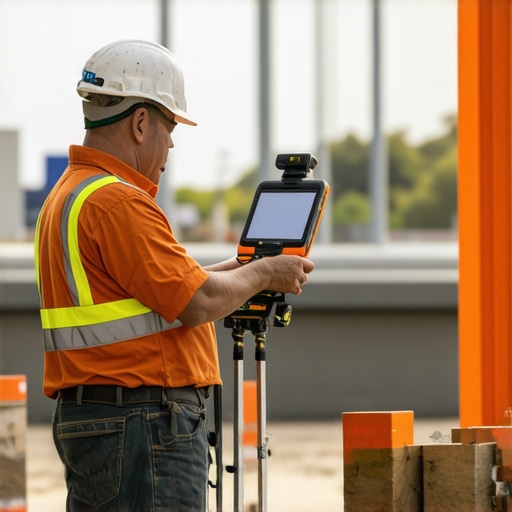
Maintaining precision and efficiency over the lifecycle of a construction project requires the right tools. Personally, I rely heavily on robotic total stations like the Leica TS16. These devices offer incredibly accurate measurements over large sites, reducing human error and saving time during setup and inspections. Investing in high-quality GPS systems, such as Trimble’s RTK receivers, ensures your team maintains spatial accuracy throughout the project, which is essential for seamless permit compliance and future scalability.
On the software side, I swear by Procore for project management. Its real-time collaboration features keep everyone aligned, from initial estimates to long-term maintenance planning. Additionally, implementing estimating tools like Bluebeam Revu allows me to review bid documents meticulously, highlighting potential double-billing or scope overlaps before they become costly errors. As technology advances, integrating Building Information Modeling (BIM) right from the planning phase can streamline coordination and avoid costly reworks, ensuring the project’s longevity.
Adopt Routine Maintenance and Monitoring
Long-term project success hinges on consistent upkeep. Regularly calibrating your measurement tools—like total stations and GPS units—ensures ongoing accuracy. For equipment, establishing a maintenance schedule, including lubrication, inspection, and part replacement, prolongs lifespan and prevents unexpected breakdowns. I also recommend using software like SmartInspect, which can log maintenance activities and predict when equipment is due for servicing, reducing downtime and unexpected costs.
Monitoring site conditions with environmental sensors—such as moisture meters and soil stability gauges—can preemptively identify issues that may compromise your build over time. For example, early detection of soil erosion or water seepage allows for timely intervention, saving thousands in future repairs or reinforcements. Integrating these tools into your workflow facilitates proactive maintenance, ensuring long-term stability of the structure.
The Future of Construction Maintenance and Scaling
Looking ahead, I predict a growing reliance on IoT-connected machinery and AI-driven analytics. These innovations will enable real-time performance tracking and predictive maintenance, drastically reducing downtime and extending equipment lifespans. For those ambitious enough to plan for scaling, modular systems and scalable software licenses will become standard, allowing projects to expand seamlessly without overhauling existing processes.
Don’t fall behind—start incorporating advanced measurement tools and maintenance protocols today. For instance, try setting up a predictive maintenance schedule with your existing equipment using tools like SmartInspect, which can be a game-changer in avoiding costly delays. Want to explore more about integrating these systems? Visit our contact page for personalized advice or to discuss specific project needs.
How do I maintain my tools and systems over time?
Implementing a disciplined routine of calibration, inspections, and software updates is crucial. Establishing a calendar-based maintenance plan, combined with predictive analytics, can extend equipment lifespan and ensure consistent performance. Remember, well-maintained tools provide the foundation for accurate estimates, smoother permit processes, and safer, scalable construction ventures. Ready to elevate your maintenance approach? Consider trialing a predictive maintenance software like SmartInspect—it’s an investment that pays dividends in reliability and project success.
Lessons That Changed My Approach to Building and Permitting
One of the hardest lessons I learned was how easily overlooked double billing can erode your project budget before it even starts. Discovering this myself was a wake-up call that made me more diligent about scrutinizing every line of a bid. I now know that trusting a contractor’s initial quote blindly often leads to hidden costs that can set you back months or cause your project to spiral over budget.
Another insight came from understanding that industry benchmarks aren’t just for comparisons—they serve as a reality check. Comparing bid line items with trusted sources revealed discrepancies that warranted questions rather than assumptions. This proactive approach has saved me thousands and added transparency to my projects.
The third lesson is realizing the importance of scope clarity. Overlapping responsibilities between excavation, grading, and drainage often hide double charges. Negotiating scope boundaries upfront and demanding detailed explanations have become essential steps in my process, transforming potentially costly mistakes into opportunities for savings.
Tools and Resources That Keep Me Sharp
To stay ahead, I rely heavily on top estimation guides like Mastering New Build Estimating. They provide industry standards that help me identify anomalies in bids quickly. Additionally, Estimating Costs for New Builds offers practical insights for complex projects, especially site prep, helping me align costs with real-world data.
Using project management platforms such as Procore keeps all bid-related documentation organized and accessible, minimizing oversight. Lastly, engaging local permitting authorities early using Streamlining Permits resources helps me anticipate permit-related hurdles, avoiding costly delays.
Empowering Yourself Starts Now
By embracing a mindset of detailed review and continuous learning, you can confidently navigate site prep bids and permits without falling prey to avoidable errors. The key is to stay curious, ask tough questions, and leverage proven tools—these habits have transformed my projects from stressful to smooth sailing. Ready to take control of your next build? Dive into the resources I trust and start making more informed decisions today. How have you handled bid discrepancies in your projects? Share your experience below—I’d love to hear your story!
.