The Real Reason Your Alumawood Patio Quote Varies Between Contractors
The Real Reason Your Alumawood Patio Quote Varies Between Contractors
By Scott Egbert, SAE Builders
You have finally decided to transform your backyard into an oasis. You have done the research, looked at the Pinterest boards, and settled on the sleek, low-maintenance appeal of an Alumawood structure. Naturally, the next step is to call a few local patio contractors to get an estimate. But then, the confusion sets in. Contractor A quotes you $6,000, Contractor B says $9,500, and Contractor C comes in at a staggering $14,000.
How is it possible for the same patio cover to have such a massive price discrepancy? They are all using the same brand, right? As someone who has spent years in the trenches of the industry with SAE Builders, I can tell you that the “quote” you receive is about much more than just the aluminum panels arriving on a truck. When you see these wild variances, you aren’t just looking at different profit margins; you are looking at different philosophies of construction, engineering, and long-term liability. In this guide, I’m going to pull back the curtain and show you exactly why those numbers fluctuate and what you are actually paying for – or failing to pay for – with a low-ball bid.
Material Grades: Not All Alumawood is Equal
One of the biggest misconceptions homeowners have is that “Alumawood” is a single, monolithic product. In reality, Alumawood (a brand by Amerimax) offers several different systems, each with its own price point and structural capability. If you aren’t careful, you might be comparing apples to oranges.
The most common entry-level option is the “Newport” solid patio roof. This is a non-insulated, single-skin cover. It looks great and provides excellent shade, but it doesn’t offer much in the way of thermal protection. On the other end of the spectrum is the “Insulated LRP” (Laminated Roof Panel). This system features a 3-inch thick high-density foam core sandwiched between two aluminum skins. It’s strong enough to walk on and provides a significant cooling effect during the heat of the summer.
To put this in perspective, consider a standard 10×10 project. A simple 10×10 lattice cover might range from $2,520 to $3,080 in materials and basic install. However, if you upgrade to an insulated cover, that price can jump significantly, often exceeding $7,000 depending on the specific configuration. Furthermore, some high-end deck and patio builders are moving toward “Military-Grade Excellence” brands like 4K Aluminum, which uses thicker extrusions and higher-grade alloys than standard Alumawood. If one contractor is quoting a 4K system and another is quoting a standard thin-gauge Newport, the price gap is already explained before the first screw is even driven.
The “Hidden” Engineering & Permit Costs
A professional patio construction project is not just a “kit” that you bolt to the side of a house. It is a structural addition that must withstand the elements. This is where many “Chuck in a Truck” contractors save money – and where you take on the most risk. To do the job correctly, a contractor must account for local building codes, which vary wildly from one municipality to the next.
For instance, Understanding Permit Processes for Successful Home Additions is vital because different cities have specific requirements for wind-load (how well the roof stays attached during a storm) and snow-load (how much weight the roof can hold). A contractor quoting a low price might be skipping the engineering stamps entirely or failing to pull a patio roof permit. This might save you $500 to $1,500 today, but it could lead to a “Stop Work Order” or a lien on your home later. Even worse, it could lead to a structural failure that your homeowner’s insurance won’t cover because the work was unpermitted.
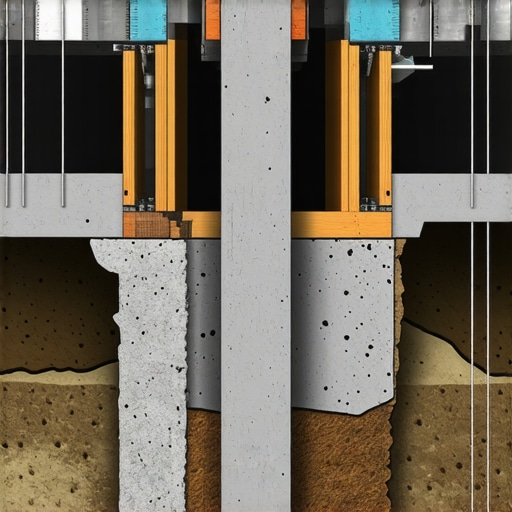
At SAE Builders, we focus on the details that pass inspections the first time. This includes the “Specific Rebar Pattern That Passes Foundation Inspections Fast,” a technical requirement for the concrete footings that support your posts. If a contractor is just “wet-setting” posts into a thin slab without proper footings, their quote will be lower, but your patio will likely sag or crack within a few years. Professional deck and patio contractor services include the cost of these structural necessities in the initial bid to ensure long-term stability.
Labor Expertise & The “Chuck in a Truck” Factor
Labor is often the largest variable in any construction quote. You are paying for the skill of the installers, the reliability of the company, and the protection of your property. A licensed, bonded, and insured deck and patio contractor has significant overhead that a handyman does not. However, that overhead is what protects you.
Before signing any contract, you should know How to Verify Your Contractor’s Liability Insurance for New Builds. If an uninsured worker falls off your roof, you – the homeowner – could be held liable for their medical bills. A professional company carries workers’ compensation and general liability insurance, and those costs are reflected in the quote.
Labor costs are also influenced by the complexity of the patio and pergola integration. Is the site easy to access? Do the materials have to be hand-carried up a steep hill or through a narrow side yard? Is the deck height significantly above grade? These factors require more man-hours and specialized equipment. A seasoned expert will spot these challenges during the walkthrough and include them in the quote, whereas a less experienced contractor might “low-ball” the bid and then hit you with “change orders” halfway through the project.
Comparative Costs: Alumawood vs. The World
To understand the value of an Alumawood quote, it helps to compare it to other outdoor living options. Many homeowners consider Ipe or other hardwood decking for their projects. While beautiful, Ipe boards alone can range from $10 to $14 per square foot just for materials. When you factor in the labor for a high-end Trex decking installation cost, which often falls between $2,375 and $6,500 for a 250-square-foot area, you begin to see that quality outdoor space is an investment.
When considering a patio renovation, Alumawood often sits in the “sweet spot.” It provides the look of wood without the maintenance. Unlike a wood structure, which requires staining and sealing every two years to prevent rot, Alumawood is “set it and forget it.” Even an enclosed patio or sunroom built with aluminum components will have a higher upfront cost than a basic wood frame, but the “Total Cost of Ownership” over ten years is significantly lower. You aren’t just paying for the aluminum; you are paying for the freedom from future maintenance chores.
When planning your budget, it is helpful to learn How to Accurately Estimate Costs for Home Improvements. This includes looking beyond the sticker price and evaluating the longevity of the materials used. A $5,000 wood patio that rots in seven years is much more expensive than an $8,000 Alumawood patio that lasts thirty.
Market Volatility & The “Quote Expiration”
In the post-2020 construction world, material prices are no longer stable. Aluminum is a globally traded commodity, and its price can fluctuate based on everything from international trade tariffs to energy costs in smelting plants. In 2023 and early 2024, we saw aluminum prices fluctuate almost monthly.
This volatility is why most reputable patio contractors will only honor a quote for 15 to 30 days. If you are looking at a quote that is three months old, it is likely invalid. Furthermore, contractors often have to include a “mobilization fee” or a “contingency” for remote sites to protect themselves against sudden price spikes at the supplier level. If one contractor has a “locked-in” price with a supplier and another doesn’t, their quotes will reflect that difference.
One detail often overlooked is The Impervious Surface Ratio That Limits Your Paved Patio Size. If your project requires expanding the concrete footprint before the Alumawood cover goes up, local zoning laws might restrict how much of your lot you can cover. A professional will check these ratios before quoting; an amateur will just start pouring concrete, potentially leading to heavy fines from the city.
Red Flags in a Low-Ball Quote
If you receive a quote that is significantly lower than the others, it is time to look at the fine print. Often, the lowest price is missing essential components that you will end up paying for one way or another. Here are the most common omissions:
- Debris Removal: Does the quote include hauling away the old structure and construction waste?
- Electrical Load Checks: If you want ceiling fans or LED lights, did the contractor check if your existing panel can handle the load?
- Stainless Steel Fasteners: Many cheap quotes use standard zinc screws that will rust and streak your beautiful white aluminum within two seasons.
- Silt Fences: If there is grading involved, are they protecting your neighbor’s yard from runoff?
Another common omission is The One Document Most Homeowners Forget During Project Planning: the written warranty. A low-ball contractor rarely offers a labor warranty that is worth the paper it’s written on. If the roof leaks in six months, will they come back to fix it? Usually, the answer is no.
Conclusion: Product vs. Professionalism
The “real reason” your Alumawood patio quote varies so much is that you aren’t just buying a product; you are buying a professional installation process. A low quote often represents a “product delivery” with minimal attention to engineering, legal compliance, or long-term durability. A higher quote from a specialist like SAE Builders represents a comprehensive service that includes structural integrity, permit management, and the peace of mind that comes with a job done right.
Don’t be swayed by the lowest number. Instead, look for the quote that provides the most detail and transparency. If you are ready to invest in a patio cover that will stand the test of time, contact Scott Egbert at SAE Builders today for a transparent, line-itemed estimate tailored to your home’s unique needs.