
How to Negotiate Material Markups With Your General Contractor
It was a moment of quiet frustration that finally clicked for me. I was reviewing the final bill for my home renovation, blindsided by a hefty markup on materials I thought I understood. That lightbulb moment revealed I had no real grasp of how to negotiate these markups, leaving money on the table—and a little voice whispering, “Could I have done better?” The truth is, many homeowners face this exact issue but feel too intimidated or unaware of how to approach their contractors about material costs.
Why You Need to Tackle Material Markups Head-On
Negotiating material markups isn’t just about saving a few bucks—it’s about taking control of your project’s budget and ensuring you’re paying a fair price. Many homeowners assume the contractor’s markup is non-negotiable, but that’s a misconception. Learning to approach this discussion confidently can save you thousands, especially when you consider that markups can range from 10% to over 30%, according to industry insiders. This is money that could be better allocated toward upgrades or a contingency fund for surprises.
Now, before you get overwhelmed, I want to share that I made a critical mistake early on. I accepted the initial quote without questioning the markup or requesting a detailed breakdown. That encounter taught me the importance of understanding both the *what* and the *why* behind these charges. For a deeper dive into estimating costs accurately, I recommend checking out our guide on [estimating costs for new builds](https://constructionedgez.com/estimating-costs-for-new-builds-expert-insights) to arm yourself with the right knowledge.
Are you tired of feeling locked out of negotiations over material costs? Or perhaps you’ve already overpaid because you didn’t push back? If so, you’re not alone—and the good news is, you can learn to negotiate effectively. In the next sections, I’ll walk you through practical strategies to confront and negotiate material markups confidently and fairly.
Break Down Your Material Estimates Before Negotiation
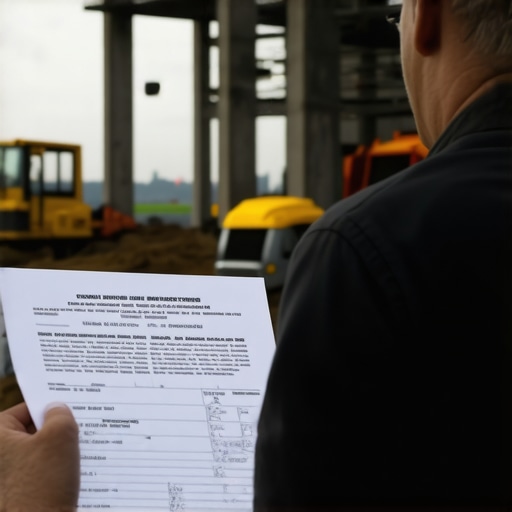
Start by requesting a detailed quote from your contractor, ensuring it lists each material with quantities, costs, and markup percentages. Think of this like reviewing a receipt thoroughly before making a purchase; it gives you clarity and leverage. I recall a time I pushed for a line-by-line breakdown of window materials, which revealed a 15% markup on hardware that I could source cheaper elsewhere. This transparency fosters a fact-based negotiation approach, making the contractor more receptive to adjustments and potential discounts.
Research Fair Market Prices Actively
Before discussing costs, arm yourself with current market prices. Use sources like [cost estimators](https://constructionedgez.com/how-to-accurately-estimate-costs-for-home-improvements) and local supplier quotes. Imagine trying to haggle for a car without knowing its true value; you’re more likely to overpay or appear uninformed. In my case, I called local suppliers for the same roofing shingles, which gave me a clear idea of the standard retail price versus the contractor’s quote. Showing this data during negotiations makes your case stronger and signals that you’re well-informed.
Identify Opportunities to Lower Material Costs
Find items with high markups or options that may not be necessary. For example, some contractors mark up premium-grade lumber when standard grades suffice. Clarify which materials are essential and where you can compromise. I once suggested switching to a different tile brand with similar properties but lower markup, saving over 10%. This proactive approach involves asking questions like, “Is this the best price you can get on this item?” or “Are there alternative products that meet our needs but cost less.”
Leverage Your Knowledge for Negotiation
Use your research as a bargaining chip. Politely request the contractor to justify markups, especially if they seem excessive. If their explanation is vague, gently point out your findings. When I challenged a 20% markup on plumbing fixtures, I referenced competitor prices and received a reduction. Think of this as a respectful dialogue where data and courtesy work in your favor. Remember, contractors often value repeat business and prefer to maintain a good reputation over inflated profits.
Propose Discounted or Fixed Pricing for Materials
Solicit fixed quotes for key materials or ask for discounts on bulk orders. For instance, buying all lumber from a single supplier through your contractor might yield a better price than individual items pieced together. I negotiated a package deal for electrical supplies that cut costs by 12%. Frame your request like this: “Can we agree on a flat rate on these materials?” This strategy provides cost certainty and prevents unexpected markups later in the project.
Implement a Final Review Before Purchase
Hold a walkthrough of the final estimate before confirming any purchase. Confirm that the agreed-upon prices and discounts are reflected accurately. Think of this step as a final check on your shopping cart before checkout—missing details can cost you later. During my last project, this review revealed a high markup on insulation that I was able to negotiate down, saving hundreds. It’s your last chance to ensure you’re paying fair prices and to set clear expectations.
Many homeowners approach estimating, planning additions, or new builds with a set of misconceptions that can lead to costly mistakes. One pervasive myth is that initial estimates are always close to final costs, but in reality, the most accurate budgets emerge only after thorough planning and understanding nuanced factors. Overestimating can cause unnecessary budget constraints, while underestimating risks underfunding critical aspects like permits and unforeseen issues. A common trap during planning is neglecting hidden additional costs, such as permit fees, plan revisions, or site-specific challenges, which often aren’t included in early estimates. These overlooked nuances can cause delays or budget overruns if not proactively managed.
Why Do Estimations Fail Even for Experienced House Owners?
Studies indicate that many estimates fluctuate by 20-30% once actual project costs are totaled, mainly due to unforeseen variables or inaccurate assumptions. For example, some underestimate permit complexity, believing they only need to pay a standard fee, but substantial delays or additional requirements often surface during review, especially in changing regulations—like those expected in 2025 regulations for home additions, which could include stricter energy efficiency standards or new zoning rules. To avoid these pitfalls, it’s vital to conduct comprehensive research, including consulting local permit authorities and experienced professionals, before finalizing budgets. Review https://constructionedgez.com/estimating-costs-for-new-builds-expert-insights for advanced strategies on precise cost projection. Also, be aware of the common misconception that permits are merely a bureaucratic hurdle; in fact, obtaining permits early can prevent costly rework or fines. Navigating permit processes with awareness of recent changes—such as those outlined in https://constructionedgez.com/navigating-permit-requirements-for-additions-in-2025—is a smart move that can streamline your project’s timeline. Remember, missing or misjudging the scope of necessary permits often leads to project delays or legal issues. Always factor in potential review periods, plan revisions, and inspectors’ requirements during budgeting. Professional guidance isn’t just recommended; it’s essential in avoiding these hidden costs. When planning your next addition or new build, don’t just settle for rough estimates—invest time into detailed, well-researched planning. This will lead to more predictable costs, smoother project execution, and peace of mind. Have you ever fallen into this trap? Let me know in the comments.
Investing in Reliable Tools for Consistent Results
One of the smartest moves I made early on was selecting high-quality, durable tools that stand the test of time. For example, I rely heavily on a digital laser measure, which provides quick, precise measurements without the hassle of tape. This tool minimizes errors that could compromise long-term projects or lead to costly rework. When working on additions or remodeling, consistent measurements are crucial, especially when coordinating with permit requirements and building codes. Incorporating a laser measure into your toolkit can streamline your workflow and save money over time.
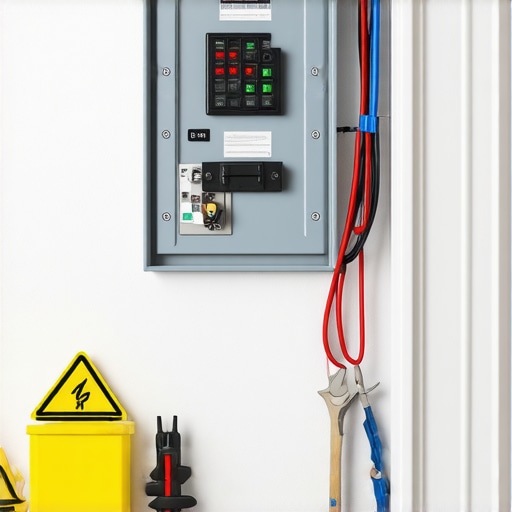
Another indispensable piece of equipment is a digital multimeter. I use mine regularly to verify electrical systems, ensuring safety and compliance with electrical standards. Tools like these are investments that pay off by preventing future issues—imagine catching wiring faults before they turn into fire hazards or code violations, which could delay permit approvals or require expensive re-inspections.
Implementing Software to Keep Projects on Track
Beyond physical tools, leveraging construction management software has transformed how I handle long-term builds. My go-to is a project estimating app that offers real-time budgeting updates, material tracking, and deadline alerts. This software integrates seamlessly with my spreadsheets and plans, providing a centralized hub for all project data. It helps me maintain accurate cost estimates and track changes, which is especially vital when coordinating additions or modifications to an original build plan.
Looking ahead, I predict that advancements in AI-driven project management tools will further simplify long-term maintenance planning, making it easier to forecast costs and identify potential delays before they occur. Staying ahead of these trends by adopting and mastering current tools can give you a competitive edge and peace of mind throughout your project’s lifespan.
How do I maintain my construction tools and systems over time?
Regular maintenance is key. For hardware like drills and saws, I schedule monthly cleanings, blade replacements, and calibration checks. For software, keeping everything updated and backing up project data frequently protects against crashes and data loss. Investing in preventive care now avoids bigger headaches—and expenses—later. Additionally, staying informed about new regulations and permit requirements through resources like the latest permit guides ensures your projects remain compliant, avoiding delays or fines. Try implementing routine checks every quarter to extend your tools’ lifespan and keep your projects progressing smoothly.
Lessons That Shocked Me About Negotiating Building Costs
One of the toughest lessons I learned was realizing how easily markup details can be hidden or misunderstood, especially when I trusted initial estimates without questioning them. It became clear that asking for transparency early on could save hundreds or even thousands of dollars. Also, I discovered that contractors often expect homeowners to accept standard markups, but a respectful, data-driven approach can shift that dynamic in your favor. Finally, I learned that understanding and questioning each line in the quote isn’t just about saving money—it’s about building a partnership rooted in transparency and mutual respect.
My Go-To Resources for Smarter Construction Planning
For anyone serious about mastering estimating and negotiating in construction, two resources have been game-changers for me. First, the expert-guided guide on estimating costs for new builds offers comprehensive strategies for accurate budgeting, which helps during negotiations. Second, the recent permit requirement updates ensure you’re aware of new regulations that could impact your project timeline and costs. These tools keep me informed, prepared, and confident in discussions with contractors.
Take Your Next Step with Confidence
Building or renovating isn’t just about the physical structures—it’s a journey of empowerment and learning. By understanding how to navigate material markups and permits, you’re investing in a smarter, less stressful process. Remember, every negotiation is an opportunity to foster trust, save money, and ensure your vision becomes a reality without unexpected surprises. Start with small questions, stay informed, and don’t hesitate to advocate for yourself—you’ll be surprised how much easier and rewarding your building journey can be. What’s the one negotiation tactic you’re eager to try next? Let me know below.