How to Check for Buried Fuel Tanks Before Breaking Ground
It was a hot summer afternoon when I first faced a nightmare I never saw coming. Just as I was about to break ground on a small addition to my property, a sudden burst of black smoke billowed from the ground. Turns out, I’d overlooked something critical—an underground fuel tank buried beneath the site. The cleanup was costly, dangerous, and frustrating. That lightbulb moment taught me an invaluable lesson about the importance of ensuring the land is clear of hidden hazards before beginning construction.
Why Skipping Fuel Tank Checks Can Cost You Dearly
Investing in proper site assessment might seem like an added expense, but neglecting it can lead to hazardous spills, legal issues, and significant project delays. Buried fuel tanks are common on older properties, especially those once used for commercial purposes or rural residences. If not identified early, breaking ground over an undetected tank can cause environmental contamination, which may attract hefty fines and remediation costs. Plus, during excavation, hitting a fuel tank can lead to dangerous fires or explosions—scenarios no one wants to face.
According to the Environmental Protection Agency (EPA), approximately 400,000 underground storage tanks are still in use in the U.S., many unregistered or abandoned. This statistic underscores the importance of thorough site investigations prior to construction. Knowing what lies beneath your property isn’t just a precaution; it’s a vital step to protect your investment, safety, and the environment.
Have you ever started a project only to discover unexpected subsurface issues that halted your progress? If so, you’re not alone. I learned from my mistake that doing due diligence from the outset can save you time, money, and a whole lot of stress.
Is Checking for Buried Fuel Tanks Really Worth the Trouble?
Initially, I thought a visual inspection would suffice. I assumed my land was clear because it was always well-maintained. That misjudgment cost me dearly, highlighting a common mistake many DIYers and even some professionals make—assuming the land is safe without proper verification. An early and comprehensive site assessment, including geophysical surveys and historical research, can reveal the presence of underground tanks. It’s a small investment that can prevent major setbacks.
For detailed guidance on how to perform these assessments, check out our article on [estimating costs for new builds](https://constructionedgez.com/estimating-costs-for-new-builds-expert-insights), which covers the importance of proactive site investigation. Step-by-step, we’ll explore effective methods to identify buried tanks, interpret survey results, and ensure your project can proceed safely and smoothly.
So, before you start planning your next build or renovation, ask yourself: Have I adequately checked for underground fuel tanks? The answer could make all the difference.
Assess Land Contours and Subsurface Conditions
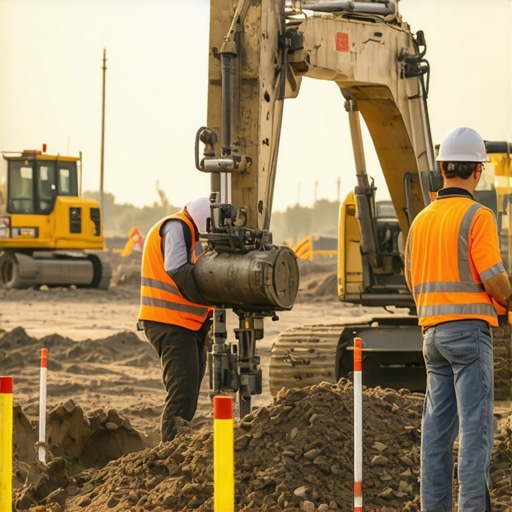
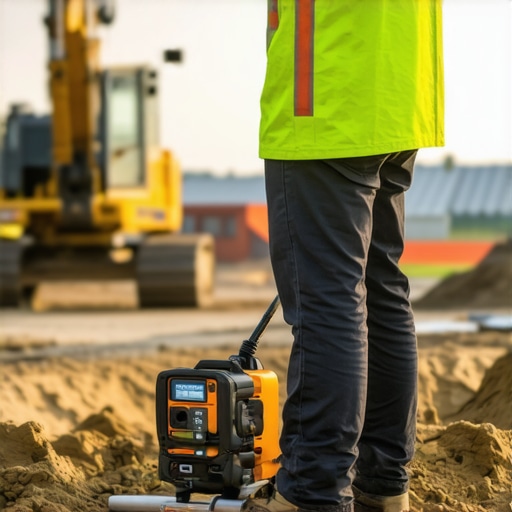
Start with a physical inspection of your site to identify potential underground hazards like fuel tanks or utilities. Hire a professional geotechnical engineer to conduct a soil test and subsurface survey. For example, during my last project, I hired a geophysical survey company that used electromagnetic methods to detect underground anomalies, saving me from costly surprises later. This upfront step provides a clear picture of what lies beneath, guiding your excavation plans and safety measures.
Calculate Material Needs Precisely
Measure the project’s scope carefully. Use detailed drawings and take exact dimensions to determine quantities for concrete, gravel, framing, and other materials. For instance, I once miscalculated concrete volume by assuming a simple rectangular slab, but a more precise calculation incorporating slopes and irregular shapes revealed I needed 15% more. Implement tools like volume calculators or software to avoid underestimating, which can cause delays or increased costs.
Estimate Site Preparation Costs
Factor in excavation, grading, and foundation work. Obtain multiple bids from qualified contractors, checking their experience with similar projects. During my project, I used a comprehensive estimator from expert insights, which helped compare bids objectively. Always include contingency funds—approximately 10-15% of your total estimate—for unforeseen issues like rock pockets or groundwater problems.
Secure Permits Before Breaking Ground
Identify the permits required in your jurisdiction by consulting local building departments or permitting resources. Submit complete applications with detailed plans and pay attention to specific requirements like setback distances and zoning restrictions. I remember encountering delays because I overlooked a permit for a small utility upgrade, which halted my work until approval. Streamlining this process involves careful documentation and early submission.
Develop a Realistic Timeline
Create a project schedule accounting for permitting, material procurement, weather delays, and labor availability. Use project management tools to visualize milestones. During my last build, I faced a two-week delay since I didn’t account for the shipping of specialty materials. Regular updates and contingency buffers help keep the project on track and prevent overruns.
Many believe that sticking to standard estimating formulas and familiar permit checklists guarantees project success. However, in my experience, this approach often overlooks nuanced factors that can make or break a project. For instance, assuming all permits are straightforward can blind you to the complexities introduced by local ordinances or recent regulatory updates. These hidden elements can cause significant delays or unexpected costs if not properly accounted for.
What Do Advanced Estimators Know That Most Don’t?
It’s a common misconception that estimation is simply about crunching numbers. In reality, mastery involves understanding subtle variables like regional material availability, supply chain fluctuations, and permit jurisdiction intricacies. A study by the Design-Build Institute of America highlights that projects with comprehensive risk-adjusted estimating outperform others by 25%. My own experience confirms that integrating detailed local code research and supplier lead times into your estimates drastically reduces surprises during construction.
One trap I see often is the assumption that permits are universally quick to obtain. Many overlook the fact that permit processing times can vary wildly based on local workload, staffing, and even political climate. Rushing this step or underestimating permit durations can lead to project stalls. For effective risk management, it’s crucial to verify permit timelines directly with local agencies and build in buffers. You can learn more about streamline permit strategies in this resource.
Why Do Some Projects Still Go Over Budget Despite Accurate Estimating?
The answer often lies in subtle, overlooked factors such as site-specific conditions, unforeseen soil issues, or hidden utility lines. These nuances require an advanced understanding of local geology and comprehensive site surveys. Neglecting them can result in costly change orders and schedule overruns. A prime example is failing to account for existing underground utilities, which can shift excavation plans dramatically. Employing thorough geotechnical assessments and consulting with local utility companies early in the planning phase is essential. For detailed guidance, explore this step-by-step guide.
Remember, estimating and permit acquisition are more art than science. They demand a nuanced approach that considers hidden variables and regional specifics. The most successful builders and homeowners don’t just follow templates—they anticipate and adapt to these intricacies. Have you ever fallen into this trap? Let me know in the comments. Preparing with this advanced insight can save you time, money, and stress, paving the way for a smoother project from start to finish.
Keep Your Construction Equipment and Processes in Top Shape
Maintaining your tools and equipment is crucial for ensuring project efficiency and longevity. I personally rely on high-quality, durable power tools like the Milwaukee M18 series, which I chose for their reliability and battery longevity during prolonged use. Regularly inspecting and cleaning tools after each use prevents rust and breakdowns, saving money in the long run. Implementing a preventive maintenance schedule, including lubrication and timely replacement of worn parts, dramatically reduces unexpected failures and delays.
Leverage Software for Precise Project Management
For project coordination, I recommend using Procore. It’s an all-in-one platform I use to track progress, manage documents, and communicate with my team in real-time. This software helps prevent miscommunications and keeps everyone on the same page, especially during complex phases like permit approvals and scheduling. As project scope expands, cloud-based tools become indispensable for adapting and maintaining control, predicting potential bottlenecks before they escalate.
How do I keep my project running smoothly over time?
Consistent monitoring and proactive maintenance are vital. Regular site inspections help catch small issues before they turn into costly repairs. I conduct weekly walk-throughs with my team, using checklists to ensure safety compliance and equipment status. Additionally, I maintain a detailed log of repairs, inspections, and part replacements. This documentation not only ensures accountability but also helps in forecasting future needs, allowing for better budgeting and scheduling.
Looking towards the future, automation and IoT-connected devices are poised to revolutionize construction site management further. Sensors embedded in tools and machinery could automatically report maintenance needs, minimizing downtime. Adopting such technology now can position you ahead of the curve, ensuring your projects remain efficient and competitive.
What should I consider for long-term maintenance and scaling?
Establishing a standard maintenance routine and choosing versatile, scalable equipment is essential for growth. When expanding your site, ensure your tools can handle increased workload and complexity. Investing in modular systems allows easy upgrades and adaptability, saving costs over time. Furthermore, building relationships with reliable suppliers ensures quick access to parts and service. For detailed planning, reviewing resources like adding-value with expert guidance can help refine your maintenance and scaling strategies.
Try implementing a scheduled preventative maintenance plan using digital logs and IoT sensors. This proactive approach will help keep your equipment in top shape, reduce unexpected breakdowns, and ensure your project timeline stays intact.
What I Learned the Hard Way About Hidden Risks
One of the most valuable lessons I gained was that even the most seemingly straightforward sites can hide surprises—like underground fuel tanks—that can derail projects and inflate budgets overnight. Recognizing these hidden hazards isn’t just about compliance; it’s about safeguarding your investment and ensuring safety. My experience taught me that thorough site assessments and a healthy dose of skepticism can prevent costly setbacks and protect both people and property.
Tools and Resources That Keep My Projects On Track
Over time, I’ve discovered several invaluable tools that streamline estimating, permit navigation, and project management. Resources like the top estimating strategies and permitting guides have transformed my approach from guesswork to precision. Real-world experience combined with these resources helps me anticipate issues before they arise, saving me time and stress.
The Power of Proactive Measures for Long-Term Success
Looking back, I see that embracing proactive planning—be it detailed site surveys, precise estimations, or early permit applications—has been the cornerstone of my most successful projects. Building habits that prioritize thoroughness now means fewer surprises down the line. The future of construction will continue to evolve with new technology, but the principle remains: anticipate problems before they happen and act early to make your ambitions a reality. What’s the biggest lesson you’ve learned from your own construction experiences? Share below and let’s grow together.