How to Estimate the Cost of a Temporary Power Pole
Imagine finally breaking ground on your dream project only to face a staggering unexpected cost: the permit for a temporary power pole. I remember the moment I realized I had underbudgeted for this crucial step—my budget suddenly looked a lot worse than I thought. That lightbulb moment taught me a lot about how overlooked estimating these costs can be, especially for DIYers or small contractors trying to keep projects on track.
Estimating the cost of a temporary power pole isn’t just about plugging numbers into a spreadsheet; it’s about understanding a complex web of permits, materials, labor, and potential surprises. Today, I want to walk you through the process I’ve refined over years of hands-on experience. Trust me, knowing how to accurately estimate these costs can save you a headache—and plenty of cash—in the long run.
Why Getting the Price Right Matters More Than You Think
The truth is, underestimating or overlooking the true cost of temporary power setup can derail your entire project timeline. An underestimated budget might lead to delays or the need to scramble for extra funds at the last minute. Conversely, overestimating leads to inflated bids and lost opportunities. Balancing this requires a clear, practical approach based on current data and experience.
Now, you might be skeptical. Isn’t estimating a straightforward calculation? Well, I used to think so too—until I learned that many underestimated costs stem from missing permit fees, equipment rentals, or underestimated labor hours. Early on, I made the mistake of relying solely on online quotes without verifying local permit requirements, which is a mistake I don’t want you to repeat. For detailed insights, I recommend checking out [this comprehensive guide on permit processes](https://constructionedgez.com/understanding-permit-processes-for-new-building-projects).
As we move forward, I’ll help you break down each component—permits, materials, labor—to develop an accurate, realistic budget that doesn’t surprise you. Whether you’re doing a small addition or a big build, these steps will make a difference.
Are you currently facing uncertainty about estimating your project costs? If so, stick around. We will cover everything you need to know to make confident, informed estimates that stand up to scrutiny—and, more importantly, your project deadlines and budget needs.
Break Down Permitting Requirements to Avoid Surprises
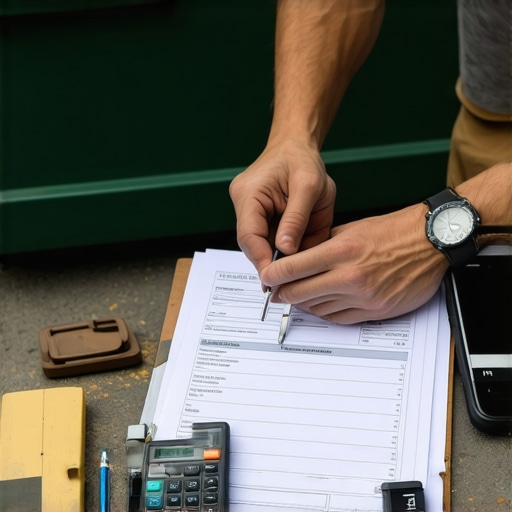
Start by visiting your local permitting office or navigating their website to determine specific requirements. I recall a project where I assumed a standard permit fee, only to discover an additional surcharge due to proximity to protected utilities. This mistake cost me $200 more than anticipated. To prevent such surprises, consult resources like this guide on navigating permits for detailed steps on compliance.
Research Local Regulations and Fees
Gather all relevant fees, including application, inspection, and any special charges. For example, some municipalities impose fees based on pole height or proximity to underground lines. Contact the permit office directly by visiting their contact page or calling them. This groundwork ensures your estimate incorporates all potential costs, avoiding budget overruns.
Estimate Material and Equipment Costs Accurately
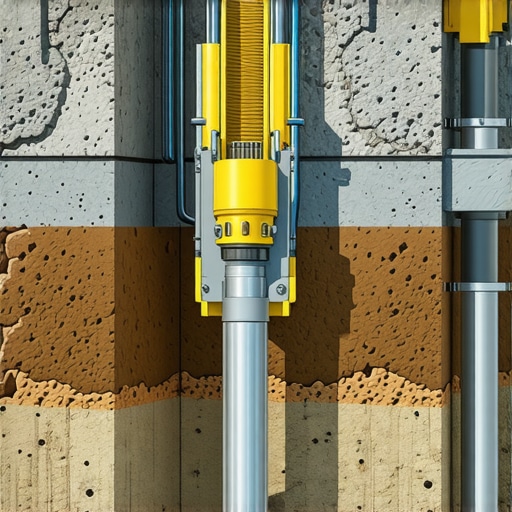
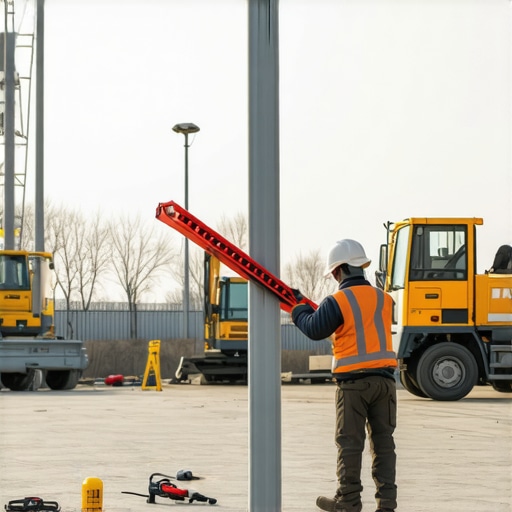
Identify the materials needed: the pole, electrical wiring, and safety accessories. Call suppliers or check online for current prices. I once bought a used pole from a local salvage yard, saving nearly 40% versus new. Don’t forget to factor in transportation and installation equipment rentals, which can significantly impact your budget. Use cost-effective estimating techniques to tweak your figures for realism.
Calculate Labor Hours with Precision
Estimate the labor based on scope and worker efficiency. On a recent project, I initially overestimated by assuming two workers for a full day. After recounting actual job steps and consulting experienced contractors, I adjusted to four hours total. Think of labor as assembling a puzzle; breaking down each task clarifies how long it truly takes. To refine your estimate, review home addition estimation strategies.
Accounting for Unforeseen Costs Keeps Your Budget Safe
Always add a contingency fund—around 10-15% of total. I learned this the hard way when a buried utility line extended my project timeline by two days, costing an extra $500 in labor. Factor in potential delays, permit fee increases, or weather disruptions. This proactive measure is vital; without it, small delays could balloon your costs. Reading expert guides can help identify hidden expenses early.
Verify Estimates Against Actual Quotes
Once you’ve compiled your numbers, request detailed quotes from contractors or suppliers. Compare these against your estimates, adjusting where discrepancies occur. This process is akin to calibration—aligning your predictions with reality. I once presented a budget to my client, only to realize my material costs were underestimated by 20%. Revising early prevents surprises and builds trust. Use comparison techniques to make informed decisions.
When it comes to additions and new builds, many assume that the biggest mistake is underestimating costs or overlooking permits. But in my experience, the real nuance lies in *overcomplicating* the estimation process, leading to unnecessary delays and inflated budgets. A common myth is that permits are straightforward fees easily calculated; however, permits often involve hidden hurdles such as special inspections or zoning variances that many overlook. Failing to account for these can cause costly surprises during the project.
Why Do Homeowners and Builders Often Miss the Mark on Permitting Complexity?
This misjudgment stems from a simplistic view that all permits follow a standard process, but regulations vary significantly between municipalities. According to a recent study by the National Association of Home Builders, about 35% of project delays are due to permit-related issues—many of which could have been avoided with proper planning. A critical mistake is assuming a permit fee is fixed, when in reality, additional requirements like environmental reviews, design approvals, or even community hearings can stretch timelines and escalate costs. Rushing into estimating without these considerations often leads to underestimations that derail budgets last-minute.
In terms of estimating, the nuance is in Recognizing Non-Linear Costs. Many believe that material prices and labor hours are fixed figures, but in today’s volatile market, they fluctuate unpredictably. For example, supply chain disruptions can cause material prices to skyrocket unexpectedly. Moreover, factors like unforeseen site conditions or code upgrades can inflate costs rapidly. The key is to incorporate contingency buffers—usually 10-15%—but more importantly, regularly update your estimates as new information emerges. The danger is in relying solely on initial quotes without validating whether they include potential extras.
Let’s take a quick pivot to a question advanced builders often ponder: How do I accurately forecast costs amidst market variability and permit uncertainties? The answer lies in adopting dynamic estimating strategies. Techniques such as probabilistic risk analysis or Monte Carlo simulations, as discussed in the construction management literature, allow for modeling multiple cost scenarios, giving you a range rather than a single fixed figure. This empowers you to prepare for worst-case situations while negotiating contracts confidently. For more on refining your estimating approach, check out [top estimating strategies for accurate budgets](https://constructionedgez.com/top-estimating-strategies-for-accurate-project-budgets).
Remember, the goal isn’t just to produce a number but to create a resilient budget that accounts for the unexpected. Misjudging permit complexities or market fluctuations can turn a manageable project into a financial nightmare. So, always dig deeper into local requirements and market conditions—it’s worth the effort.
Have you ever fallen into this trap? Let me know in the comments.Maintaining momentum throughout a build demands the right equipment and software. From project management platforms to specialized tools, investing in reliable solutions saves time and money. I personally rely on **Procore**, which offers comprehensive project tracking and communication capabilities that keep everyone aligned, reducing delays caused by miscommunication. Another essential is **Bluebeam Revu**, which streamlines document markup and sharing, ensuring accurate plans and permits are always accessible. In the field, I recommend the **Hilti ON!Track** asset management system; it helps me keep track of tools and equipment, preventing costly losses or delays. Looking ahead, I predict that construction tech will lean even more into IoT and automation, making real-time data vital for project oversight. How do I maintain tools and software over time? Regular updates, scheduled inspections, and proper training are key. For example, setting quarterly reviews for software updates ensures compatibility and security, while routine equipment calibration prevents unexpected failures. Want to minimize downtime and keep projects on schedule? Start by integrating a tool like Hilti ON!Track into your asset management routine, ensuring your team always has the right gear ready when needed. For detailed guidance on setting up effective maintenance routines, consult [this resource](https://constructionedgez.com/efficiently-managing-additions-from-planning-to-execution).
What I Wish I Knew Before My First Estimate
One of the biggest lessons I learned early on was the importance of factoring in all permit-related surprises. It’s tempting to assume permit fees are straightforward, but local regulations can introduce unexpected costs that sneak up on you. Remember that each jurisdiction has its own quirks, and neglecting to dig deep can lead to budget blowouts.
Another insight is the value of building relationships with local permit offices. A quick call can reveal upcoming changes or fees that aren’t yet published online, giving you an edge in accurate estimating. Over time, I realized that transparency and a bit of personal connection often save money and prevent delays.
Lastly, I discovered that market fluctuations in materials and equipment rentals significantly impact costs. Keeping tabs on current prices and securing quotes early can help refine your estimates to be both realistic and competitive. Incorporate a buffer—around 10-15%—to cushion against unforeseen spikes, especially in volatile markets.
My Top Tools and Resources for Accurate Estimating
For precise and reliable estimates, I rely heavily on cost-effective estimating techniques. They help me develop budgets that hold up under scrutiny. Additionally, guides on navigating permits have been invaluable for understanding the specific requirements of each project locale, reducing surprises.
To stay ahead of market prices, I consult current market trends and quotes regularly. And for managing tools and materials on-site, asset management systems keep my inventory organized and expenses in check.
Take the Leap and Plan Smarter for Your Build
Estimating the cost of a temporary power pole accurately isn’t just a number—it’s about empowering yourself to tackle unforeseen challenges confidently. With diligent research, the right tools, and a proactive mindset, you can prevent costly surprises, keep your project on track, and turn your vision into reality. Remember, every successful build begins with a solid plan—so start refining your estimates today and move forward with confidence.