Why Your New Build Estimate Needs a Port-a-Potty Line Item
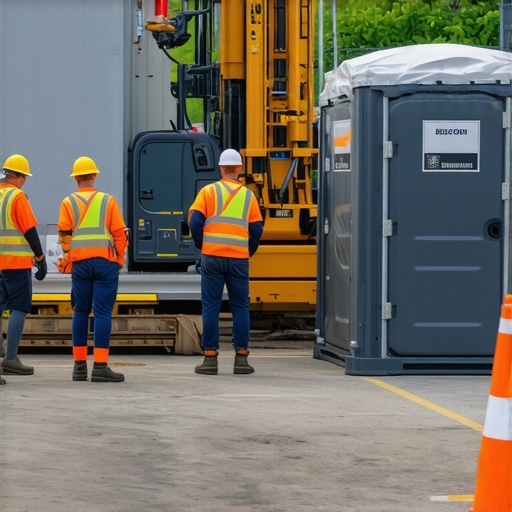
I still remember the moment I realized I had overlooked something crucial in my first new-build estimate: the necessity of a port-a-potty. It was late on a Friday afternoon, and the crew on-site was starting to complain about the lack of basic amenities. That’s when I learned a hard lesson—some details, though seemingly minor, can lead to unexpected costs and delays if not accounted for right from the start. If you’re in the thick of planning your next project, you might be wondering, “Do I really need to include a portable toilet in my estimate?” The answer, as I’ve discovered through personal experience and plenty of reading, is an emphatic yes.
Moving Beyond the Guesswork: The Real Cost of Neglecting Sanitation Needs
Many DIYers and even some professionals tend to focus on major line items like permits, foundations, and framing when drafting an estimate. But the absence of a port-a-potty can quickly become a silent project killer. Not only does it affect crew productivity, but it can also put you at odds with local regulations, which often require sanitation facilities accessible during construction phases. In fact, neglecting this aspect often results in project stoppages or fines, making it a budget line you simply cannot afford to ignore.
When I omitted a portable toilet initially, I faced an unexpected permit issue that delayed my project by a full week. It cost me more in fines and labor rescheduling than the rental itself. It was a stark reminder that small oversights in an estimate can snowball into significant setbacks. To avoid this, I recommend a detailed examination of every on-site need—sanitation being just one part of a comprehensive approach.
The key is understanding that such utility line items are not optional extras—they are part of the infrastructure that keeps your project compliant, efficient, and, frankly, humane for the workers involved. For a deeper dive into optimizing your overall project estimates, check out [these expert strategies](https://constructionedgez.com/estimating-costs-for-new-builds-expert-insights) to refine your budgeting process. Incorporating realistic costs for portable toilets not only mitigates surprises but also demonstrates professionalism to clients and stakeholders.
By acknowledging the hidden costs like sanitation, you lay a stronger foundation for a successful build. Next, let’s explore how to determine exactly when and where to include this line item within your estimate—and prevent similar headaches down the line.
Identify All Necessary Cost Components
Begin by listing every element that impacts your project budget. Think of it as assembling a detailed shopping list before heading to the store. Besides major costs like permits and construction materials, include smaller yet crucial items such as sanitation facilities. Remember, overlooking simple needs like portable toilets can lead to delays and added expenses—an experience I learned firsthand when a missing porta-potty postponed my project by a week, costing me more than the rental itself. To ensure comprehensive coverage, refer to resources like estimation strategies.
Break Down Permits Step by Step
Permits are often a complex maze, but treating them as a series of actionable steps simplifies the process. Start by researching local requirements—each municipality may have unique rules. Use a checklist to verify what documents and fees are involved, much like following a recipe closely. During my last project, I utilized permit process guides to navigate approvals efficiently, saving valuable time. Engage with your local permitting office early to clarify ambiguities and prevent last-minute surprises.
Estimate Material and Labor Costs Precisely
Accurate estimates depend on detailed quantity takeoffs and current market prices. Think of it like buying groceries—the more precise you are, the less you overspend. Make site visits to gauge actual conditions and consult suppliers for up-to-date prices. I once over-ordered framing lumber because I relied solely on outdated online prices; a field visit revealed significant discrepancies, prompting me to revise my estimate and save hundreds. Use cost estimation techniques to improve accuracy and avoid costly overrun.
Factor In Unexpected Expenses
No estimate is complete without a contingency fund, typically 10-20% of total costs, to cover unforeseen issues like hidden soil conditions or permit delays. Think of it as an umbrella—better to have it ready than to get soaked unexpectedly. During my last build, a permit hold-up in my area required quick adaptation. Having a contingency allowed me to manage the situation smoothly without disrupting the entire schedule. Strategic budgeting for surprises ensures resilience, especially when navigating complex regulations or site-specific constraints.
Validate Your Estimate with Expert Input
Finally, always seek validation from experienced professionals or comprehensive online guides. Verify assumptions with trusted sources like top estimating strategies to refine your numbers. During my project, cross-checking my estimates with a seasoned estimator prevented costly miscalculations and built a realistic financial plan. Regular review and adjustment keep your budget aligned with real-world conditions, ensuring a smoother construction journey from planning to completion.Even seasoned builders and homeowners often rely on simplistic assumptions when estimating new construction or additions, but this approach can lead to costly surprises. One common myth is that sticking to basic square footage and unit costs suffices for an accurate estimate. In reality, nuanced factors like permit complexities, site conditions, and regulatory hoops significantly impact the final budget. Overlooking these details might seem minor at first, but they can cause delays and budget overruns, especially if omitted in the initial planning stages.
Many believe that permits are straightforward approvals, but the truth is that permit requirements can vary dramatically by location and project scope. For example, a permit to build an addition might include hidden costs such as soil testing, utility relocations, or special inspections. Without thorough research—like consulting resources on permit requirements in 2025—you risk underestimating these expenses and facing delays that ripple through your timeline.
In my experience, an advanced trap many fall into is treating permit processes as a one-time hurdle rather than an ongoing element of project management. Permitting often involves multiple stages, unexpected denials, or additional modifications, especially with complex projects. Misjudging this can lead to non-compliance fines or work stoppages. A detailed understanding, like the step-by-step approach outlined in permit acquisition tips, helps prevent these pitfalls.
From an estimate perspective, it’s crucial to incorporate the *hidden* nuances—such as the impact of soil conditions on foundation costs or the need for specialized materials due to local building codes. These are often overlooked because they don’t pop up on surface-level checklists. Ignoring them can cause a project to become a money sink or fall behind schedule.
Research from industry experts suggests that up to 30% of project overruns stem from underestimated permit and site-related issues. As conveyed in top estimating strategies, more accurate forecasts depend on detailed site assessments and understanding local regulatory landscapes. This isn’t just about adding a contingency; it’s about fundamentally refining how estimates account for variables you cannot see upfront.
One often-overlooked nuance is the timing of permit approvals. Rushing through this phase might save time initially but can lead to rework or penalties later. Developing a realistic schedule that factors permit processing times, as explained in permit streamlining techniques, ensures smoother project flow.
So, what’s the key takeaway? Achieving accuracy in your estimates requires stepping beyond surface assumptions and embracing the complexities that influence costs. Incorporate detailed site info, regulatory timelines, and hidden expenses into your planning process. Remember, the devil is in the details — and missing them can cost you dearly.
Have you ever fallen into this trap? Let me know in the comments. Let’s dig deeper into how refining our estimating approach can save time and money, and ensure projects stay on track.
Stay Ahead with the Right Equipment
Maintaining accuracy and efficiency during a build hinges on using tools that provide precise data and consistent performance. Personally, I rely heavily on laser distance meters, such as the Bosch GLM 50 C, because their quick readings and Bluetooth capabilities streamline measurements and integration into project plans. This digital precision minimizes errors that can lead to costly rework, especially when estimating long-term results or scaling up projects.
How do I maintain tools over time?
Regular calibration is essential. For electronic tools, I set monthly reminders to send them for professional calibration and keep detailed logs of maintenance. For manual equipment like tape measures and levels, I ensure they are stored properly to prevent warping and damage. Investing in protective cases and cleaning supplies prolongs their lifespan and keeps your measurements reliable, which is critical when preparing detailed permits or new builds.
Embrace Software for Smart Management
Estimating and project tracking have moved beyond pen and paper. I use construction management software like Buildertrend, which allows real-time updates, document sharing, and budget control. These platforms integrate with estimating tools, enabling me to adjust forecasts instantly if the scope changes or unexpected expenses arise. As trends evolve, I anticipate more builders will adopt AI-driven predictions that analyze historical data to predict potential delays or cost overruns, making upfront planning increasingly accurate.
What’s the secret to long-term success?
Consistency in updating your data and system backups is vital. I schedule weekly reviews of my project data, ensuring all team members use uniform protocols. Plus, I ensure software licenses are current and that I have redundancy plans in place, such as cloud backups, to prevent data loss—especially crucial when dealing with permit progress or scaled additions. This disciplined approach ensures ongoing compliance with regulations and smooth project execution.
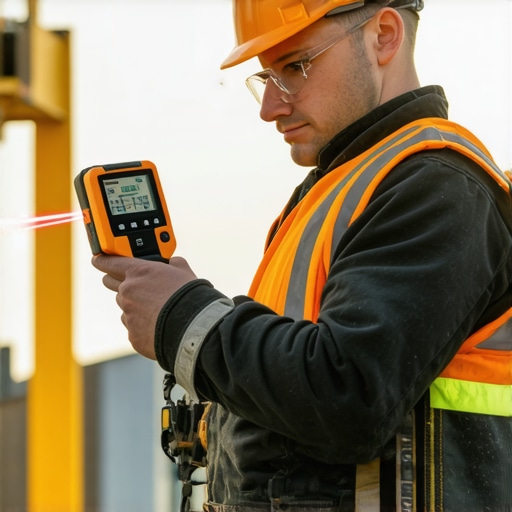
Image showing a builder using a laser distance meter on a construction site, emphasizing accuracy and technological integration.
The Costliest Mistakes Often Happen in Silence
One of the most impactful lessons I learned was during a permit delay that cost me over a thousand dollars in fines and rescheduling. Small oversights, like neglecting to include sanitation or permit buffer times, can quietly escalate into major setbacks, teaching me that diligence and forethought are your best allies in construction estimating. Overlooking these nuances might seem minor at first, but they accumulate quickly, emphasizing the need for detailed planning beyond just materials and labor.
My Secret Weapon for Staying Ahead
The essential tools that transformed my approach include not just software platforms like Buildertrend for project management, but also tried-and-true resources like top estimating strategies and permit guides. These tools help me visualize potential pitfalls, calculate precise costs—including those hidden in permits—and keep every aspect of the project aligned. Trusting these trusted sources regularly has saved me from costly surprises and kept my projects on track.
Ignite Your Confidence in Construction Planning
Today, you have everything you need to approach your next build with confidence. Embrace detailed estimation, leverage expert tools, and continue learning from industry insights. Remember, every successful project builds upon the foundation of meticulous planning and the courage to ask questions. If I’ve learned anything, it’s that embracing transparency and thoroughness transforms daunting estimates into empowering roadmaps. Are you ready to implement these insights and make your next project your best one yet? Share your thoughts and let’s grow together in this journey.