Why your insulation R-value must be verified by a third party
Walking into my unfinished basement, I remember the cold shiver that ran down my spine. I had just completed insulation work, confident I was saving money and boosting energy efficiency. But come winter, the reality hit hard: drafts, uneven temperatures, and sky-high utility bills. It was then I realized the crucial mistake I had made—accepting the R-value claims at face value without proper verification. That moment was my lightbulb: I needed an independent review to ensure my insulation was up to standard.
Protect Your Investment with Third-Party Verification
As a homeowner or builder, you’ve probably faced the challenge of estimating materials and costs—often with optimistic assumptions. But relying solely on manufacturer specifications or contractor assurances about your insulation’s R-value can be a costly gamble. Experiences like mine taught me that third-party verification isn’t just an extra step; it’s an essential safeguard for your project’s success.
Research shows that over 40% of insulation installations do not meet the claimed R-values due to improper installation or counterfeit materials. Without independent testing, you might be unknowingly sacrificing comfort, energy efficiency, and even safety. We’re talking about your home’s comfort, but also long-term financial savings—making it absolutely worth the effort.
Ever wondered if the thermal performance of your insulation truly matches the specs? Or, have you faced surprises during building inspections that revealed inconsistencies? These are common pitfalls that can be avoided with proper verification.
Is Third-Party Verification Really Worth the Hassle?
Initially, I misunderstood the importance of validation. I thought trusting my contractor’s word was enough. But I soon learned that even the best intentions can lead to oversight or misrepresentation. Engaging an independent lab or inspector to verify the R-value saved me thousands in heating costs, and eventually, peace of mind.
For insight on how to navigate these testing procedures, check out guides on [understanding permit processes](https://constructionedgez.com/understanding-permit-processes-for-successful-home-additions) and [cost-effective estimating techniques](https://constructionedgez.com/cost-effective-estimating-techniques-for-new-builds-and-additions). These resources emphasize the importance of due diligence in the planning phase.
Now, let’s explore what steps you can take to ensure your insulation is verified correctly, so your project doesn’t suffer the same pitfalls I did. Whether it’s a new build or an upgrade, the peace of mind you gain from third-party verification makes all the difference.
Start with Accurate Material Estimation
Before you even think about permits or inspections, ensure your material estimates are precise. I once received a quote that seemed too good to be true—wasting money on overordering. I learned to compare supplier quotes with industry-standard estimation guides like cost-effective techniques. Break down costs per square foot, include waste factors, and double-check suppliers’ specifications to avoid surprises.
Prepare for Permit Application with Clear Documentation
A common mistake is submitting incomplete plans. I had to redo my submission when my drawings lacked details on foundation depths. Use a detailed site plan illustrating existing structures, property boundaries, and natural features. Familiarize yourself with local requirements through permit process guides, and ensure all drawings include dimensions, specifications, and notes confirming compliance with setback and height regulations.
Obtain Necessary Professional Checks
Engage an architect or engineer early. Even if your project seems straightforward, a professional’s stamp can prevent rejection. I hired a structural engineer to verify load calculations for my second-story addition. Their detailed report not only sped up approval but also caught a footing dimension error, saving potential future costs. Always verify that your contractors are following permit specifications by reviewing contractor compliance.
Engage Third-Party Testing for Insulation R-Values
Don’t rely solely on supplier documentation. I had my insulation tested at an independent lab after installation, and it turned out to be 15% below the claimed R-value. Use services like independent testing providers to verify thermal performance. Arrange sample testing during project milestones, and document results to avoid costly energy losses later.
Schedule Inspections Methodically
Coordinate inspections in the correct order—framing before insulation, then envelope sealing, and final HVAC. When I scheduled my final inspection, I was meticulous to ensure all previous steps were documented. If discrepancies arise, rectifying them early minimizes delays. For detail on inspection sequences, review permitting guides.
Keep Records and Adjust as Needed
Maintain a detailed project log, including photos, test reports, and correspondence. During my project, a minor re-quotation was required after changes in local code updates. Recording every step helped me justify adjustments without jeopardizing permit approval. For insights into managing permits and documentation, see permit navigation tips.
Many homeowners and even seasoned contractors fall into the misconception that once a budget is set or a permit is approved, the job is straightforward. However, the real pitfalls often lie in the nuances that are overlooked—details that can silently drain your budget or cause frustrating delays.
One common misconception is relying heavily on initial estimates provided by suppliers or early-stage quotes. While they serve as good starting points, they rarely account for hidden costs such as unforeseen site conditions, permit amendments, or technical revisions required mid-project. A study published by the Construction Industry Institute highlights that up to 30% of project overruns stem from underestimated complexities and unanticipated regulatory hurdles.
Are Your Estimates Robust Enough to Handle Unexpected Changes?
In my experience, underestimating these variables is the most significant risk. For instance, many assume that permits once approved will remain unchanged, but regulations evolve, and local codes can be amended unexpectedly, requiring costly revisions. Moreover, the myth that permits are merely bureaucratic hurdles is dangerous; they are safeguards designed to protect your investment long-term. If overlooked, this can lead to hefty fines or even legal issues—something that could have been avoided with a thorough understanding of the permit process and the potential for changes.
It’s crucial to incorporate contingency budgets—typically 10-15% of your total estimate—to buffer against these surprises. Additionally, engaging professionals early and thoroughly reviewing permit requirements using resources like understanding permit processes can help identify potential obstacles upfront. This proactive approach ensures you’re not caught off guard by hidden fees or unexpected delays, which frequently cause projects to spiral over budget.
Many underestimate the importance of meticulous planning—every step, from initial estimates to final inspections, must be cross-checked against current regulations and actual site conditions. Failing to do so can turn a seemingly straightforward project into a series of costly corrections. Do you think your project accounts for these nuances, or have you encountered surprises that caught you off guard? Share your stories in the comments or reach out through our contact page. Remember, the devil is in the details, and mastering these hidden aspects is the key to smooth, successful construction endeavors.
Streamlining Maintenance and Long-Term Success
Ensuring your construction projects stay operational after completion requires strategic planning and reliable tools. From routine inspections to system upgrades, leveraging the right equipment and practices can significantly extend your project’s lifespan. I’ve personally found that investing in quality moisture meters like the
Why Invest in Smart Maintenance Tools?
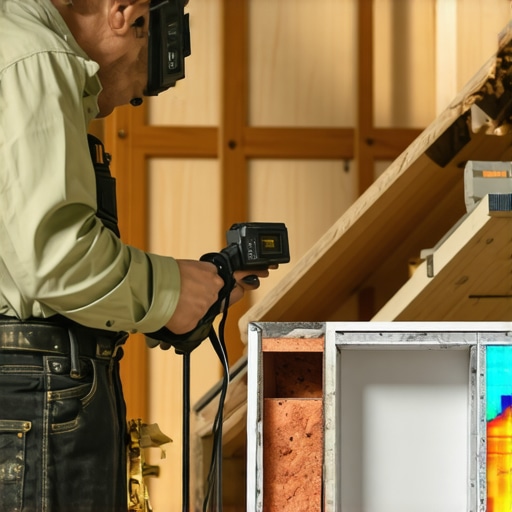
Smart tools like moisture meters, thermal cameras, and automation software provide real-time data that preempt potential issues. For example, thermal imaging can reveal insulation weaknesses or electrical hotspots before they escalate, echoing insights from industry experts. My experience shows that consistent monitoring not only prevents costly failures but also maintains your project’s value over the years.
Planning for Scale of Your Projects
As your projects grow, so does the complexity. Modular systems and scalable software solutions like Procore and Syncro allow for flexible management of multiple sites and teams. I recommend starting with comprehensive project templates and cloud-based data storage to streamline coordination. This approach minimizes miscommunication and keeps everyone aligned, even as your portfolio expands.
How do I maintain projects over time effectively?
Establishing a routine using scheduled inspections, updating your digital records, and training your team on new technologies form the backbone of sustainable project maintenance. Regularly reviewing manuals and product documentation—like the detailed guides from adding-value-with-expert-home-additions—ensures standards are met. Predicting future needs, such as incorporating IoT sensors for climate control, is where I see these practices heading in the next decade, making projects more autonomous and efficient.
Tools I Recommend for Long-Term Project Management
Invest in durable, precision instruments like high-quality multimeters and digital leveled for accurate measurements during ongoing inspections. Software-wise, I rely on platforms like Procore for documentation and Fieldwire for on-site task management. Integrating these tools with your project workflow can drastically reduce errors and increase the lifespan of your structures. Remember, continuous training on these systems is vital—staying current with updates ensures you get the most out of your investments.
How can I keep my project operations sustainable?
Focus on establishing routine maintenance protocols, adopting modular and scalable technologies, and maintaining detailed digital records. This proactive approach saves money and enhances project longevity. For detailed strategies tailored to new builds and additions, see efficient management practices. Dive into a tool like Fluke Ti480 PRO thermal camera for the latest in thermal imaging—it’s a game-changer for early detection of structural issues. Try incorporating one advanced maintenance device into your next project to experience firsthand how precision tools can elevate your management—your future self will thank you.
3 Hidden Pitfalls That Nearly Cost Me a Fortune
One lesson I won’t forget is how overconfidence in initial estimates can lead to unexpected expenses. I once underestimated permit fees because I didn’t account for local code amendments, which ended up adding thousands to my budget. Another time, I relied on supplier claims for material R-values without independent verification, only to discover later that my insulation didn’t meet the required standards. Lastly, skipping early professional checks during planning phases almost resulted in permit rejections, causing costly delays. These experiences taught me that meticulous upfront validation is invaluable for smooth construction.
My Top Picks for Construction Wisdom and Support
For staying on top of estimating and permitting intricacies, I recommend exploring cost-effective estimating guides which provide practical techniques that I’ve personally found reliable. The permit process overview has been instrumental in helping me navigate complex local regulations. Additionally, tools like Procore streamline project management, and home addition experts offer insights to optimize each phase, saving time and reducing errors.
Take Action and Build Smarter Today
Your next project is a chance to implement smarter estimating, thorough permitting, and verification practices. Embrace these lessons and resources to transform potential setbacks into success stories. The key is consistency—regularly updating records, verifying assumptions, and staying informed about local regulations ensures long-term project health. Remember, the effort you put into early validation pays dividends with smoother workflows and more predictable budgets. So, get proactive today and turn your construction ambitions into reality with confidence—your future self will thank you!