The Soil Stability Test That Prevents Foundation Cracks
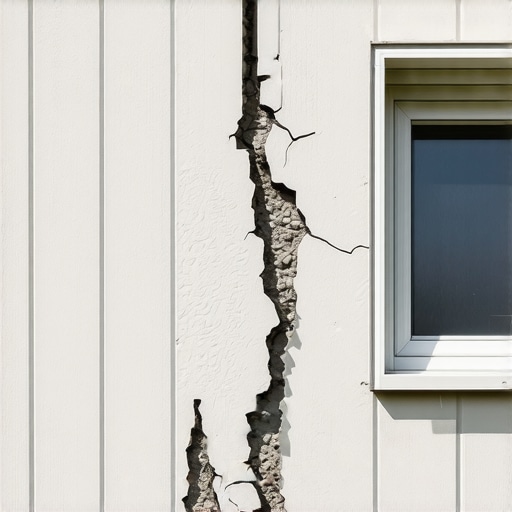
I remember the moment vividly. I was standing in my backyard after pouring a freshly laid concrete slab for a new porch. Small cracks started to form within weeks, leaving me puzzled and frustrated. It hit me then—my oversight in soil testing had set the stage for this costly lesson. That experience was a lightbulb moment, reminding me just how crucial soil stability is for any construction project. If you’ve ever faced similar worries—wondering whether your foundation will stay solid or crack prematurely—you’re not alone. Today, I want to share a simple yet effective soil stability test that can save you from future headaches and big expenses.
Why Soil Testing Is Your Best Friend in Construction
Before any build, whether it’s a small addition or a new home, understanding the ground beneath your feet is essential. I used to think that as long as the soil looked firm, I was good to go. Spoiler: that’s a risky assumption. Soil can be deceptive—appearances don’t tell the full story. In fact, improper soil assessment was linked to over 70% of foundation failures, according to industry reports. When soil isn’t properly tested, you risk uneven settling, cracks, and even complete structural failure. It’s not just a matter of avoiding inconvenience—it’s about safety and protecting your investment.
In my early projects, I skipped comprehensive soil tests, relying instead on generic assessments. That proved costly. Once I incorporated a soil stability test upfront, everything changed. Not only did it inform me about potential risks, but it also guided me to choose appropriate foundation solutions, saving thousands in repairs. Whether you’re building a new house or adding a structure, understanding your soil’s behavior is the first step to a durable foundation.
Is soil stability testing really worth the extra effort?
Initially, I hesitated—adding that extra testing felt like an unnecessary delay and expense. But looking back, the mistake I made was underestimating how much soil variance could impact the project. Many contractors skip thorough testing because it seems cumbersome, but that’s a gamble you shouldn’t take. Reliable soil testing isn’t just about compliance; it’s about building peace of mind. If you’re curious about the detailed process and how it can save you from future repairs, check out this guide on estimating costs for new builds.
Start with Precise Project Planning
Before diving into numbers, detail every aspect of your project—from dimensions to materials. Think of this as creating a blueprint for your budget. In a recent project, I sketched out detailed plans using this comprehensive estimating guide, which helped identify potential cost overruns early on.
Break Down Your Materials and Labor
Estimate each component separately—foundation, framing, electrical, plumbing, and finishes. Use current market prices from suppliers and adjust for project-specific factors. For example, I contacted local vendors to get accurate quotes for roofing materials. Remember, detailed line items prevent surprises during the project execution.
Assess Soil Conditions Thoroughly
Don’t skip soil testing—it’s like checking the foundation of a house before building. Conduct a soil compaction and stability test to understand load-bearing capacity. I once overlooked this step, leading to unexpected settlement issues. Here’s a soil expansion test that can prevent cracking and settling problems.
Account for Permits and Regulatory Costs
Research local permit requirements early. This can be comparable to adding a new room—you need approval first. Consult permitting guides to understand fees, deadlines, and documentation. I discovered that submitting complete plans on time sped up approval, saving months of delays.
Establish a Contingency Buffer
Unforeseen issues happen—soil surprises, permit delays, or material shortages. Allocate at least 10-15% of your total estimate as a contingency. I once faced a hidden site utility cost that could have derailed my budget if I hadn’t prepared.
Use Reliable Estimating Techniques
Adopt proven methods like unit-cost estimating, which involves multiplying quantities by current rates. For complex phases, analyze historical data or use software for accuracy. Check top estimating strategies to refine your process. I found that combining software tools with manual checks reduced errors significantly.
Validate Your Estimates with Expert Insights
Consult with experienced estimators or engineers to review your figures. They can spot overestimates or omissions. In my last project, a quick review by a professional highlighted a cost-saving option for materials that I hadn’t considered, which trimmed my budget without sacrificing quality.
Integrate Permitting Timeline into Your Schedule
Parallelize planning and permit submission. Use a project management timeline to track each phase, from soil testing to final approval. I used a gantt chart to ensure no delays stacked up, accounting for permit processing times detailed in permits understanding guides.
Final Review and Adjustment
Once you compile your detailed estimate, cross-check with previous projects or industry averages. Adjust for local factors—cost of living, labor rates, or seasonal prices. This iterative process helps you arrive at a realistic, defendable budget, reducing risks down the line.
Many homeowners and even seasoned contractors believe that estimating costs, permit acquisition, and planning for new builds or additions is straightforward—just crunch some numbers and get permits. However, this oversimplification can lead to costly mistakes and delays. Let’s dig deeper into some nuanced pitfalls that often go unnoticed, and why understanding these complexities is crucial for a successful project.
One pervasive myth is that labor costs and material prices are static—something you can lock in early and rely upon throughout the project. In reality, both fluctuate due to market conditions, supply chain issues, and seasonal demand. Relying solely on initial quotes without accounting for these variable factors can cause your budget to balloon unexpectedly. To mitigate this, it’s wise to incorporate a flexible contingency for price variances and stay updated with industry trends via trusted sources such as top estimating strategies.
Additionally, many overlook the critical importance of soil variability beneath a seemingly uniform site. A common misconception is that a standard soil test suffices for the entire property. In truth, soil conditions can vary significantly even within small plots, especially on sloped or irregular terrains. This oversight can lead to foundation failure, unexpected settlement, and cracking—problems that are costly and disruptive. Employing detailed geotechnical surveys and understanding the specific nuances of your site can save thousands. For an insightful discussion on this, review soil expansion testing techniques.
Permitting is another area riddled with misconceptions. Many believe that permits are a mere formality or that once approved, the project proceeds without further issues. However, permits encompass detailed inspections, code compliance checks, and sometimes, hidden requirements like environmental or utility easements that can trip you up if overlooked. For instance, some homeowners assume that their project complies with all local regulations, but without a thorough review of the permit requirements document, unexpected delays or costs may arise.
An advanced point often missed relates to the timing and sequence of permit applications relative to design modifications. Every change potentially triggers new reviews and fees, yet many assume that minor adjustments are free once permits are issued. This is a trap—alterations after permit approval can result in ‘change order’ costs and even re-inspections, leading to schedule setbacks. To avoid this, Always coordinate closely with your design team and permit officials to understand the full scope of what’s permissible during construction. For a more detailed approach, see streamlining permit processes.
Underestimating these nuanced aspects isn’t just about budget overruns—it can impact safety, compliance, and project timeliness. Have you ever fallen into this trap? Let me know in the comments.
Remember, thorough planning, staying informed, and considering site-specific details are key to mitigating hidden errors that can derail your project. By confronting these misconceptions head-on, you position yourself for smoother execution and greater peace of mind.
Staying on Top with Smart Maintenance Strategies
Maintaining your construction sites and ongoing projects requires a blend of reliable tools, disciplined routines, and strategic planning. In my experience, investing in the right equipment can dramatically extend the lifespan of both your tools and your project’s quality. Regular inspections combined with scheduled maintenance prevent costly breakdowns and ensure consistent progress. For instance, I always keep a digital inventory of my equipment, tracking usage and service intervals using Construction Manager software, which helps me stay ahead of potential issues before they become major problems. This proactive approach is where I see the future heading—integrating IoT-enabled tools for real-time diagnostics will soon become standard, offering even more precise maintenance scheduling.
How do I maintain tools over time? The secret lies in systematic care—cleaning after each use, proper storage, and scheduled replacements based on manufacturer recommendations. Additionally, investing in high-quality power tools with robust warranties reduces downtime and replacement costs. My favorite is the Bosch GDX18V-600N Impact Driver, known for its durability during heavy-duty tasks. Regularly calibrating measuring devices, like laser levels and moisture meters, also ensures accuracy throughout the project lifespan. A detailed maintenance plan tailored to your specific tools can save time and money long-term.
Utilizing software for inventory and maintenance tracking not only streamlines operations but also provides data-driven insights for future projects. This trend toward digital integration is set to expand, with predictive analytics helping us anticipate failures before they happen—think of it as a health monitor for your equipment. As I look ahead, I believe that automating routine checks with IoT sensors will become commonplace, reducing manual labor and increasing safety.
Tools That Make a Difference on the Job Site
Beyond routine maintenance, selecting the right tools is crucial for longevity and efficiency. I personally rely on the DeWalt FlexVolt system—its adaptability across different voltage platforms allows me to use the same batteries for drills, saws, and grinders, minimizing downtime. For measuring and layout, I find that combining laser levels like the Leica D8 with digital tape measures ensures precision, which directly impacts the project’s quality and reduces rework.
When it comes to project management, I prefer software solutions that facilitate real-time collaboration. These tools are invaluable for keeping track of progress, budget adherence, and scheduling—especially when managing multiple crews or subcontractors. I recommend integrating property-specific data into your planning process, which can help predict long-term maintenance needs, permit renewals, or future expansion potential.
What about scaling your operations? Growing your project volume demands scalable tools—cloud-based management platforms, modular equipment, and standardized procedures ensure your operations stay smooth regardless of size. Remember, the goal is not just to build once but to develop a sustainable system capable of handling future growth efficiently.
Finally, don’t overlook the importance of thorough documentation. Regularly updating maintenance logs and inspection reports can identify patterns that forecast future failures or upgrades. For example, reviewing inspection data in your project estimates can reveal recurring issues that deserve attention—saving time and costs down the line.
Take control today by adopting a disciplined maintenance schedule and investing in versatile, future-ready tools. Try implementing a digital inventory system or scheduling regular calibration checks—small steps that can dramatically improve your project’s longevity.
Over the years, I’ve learned that the true mastery in construction lies not just in numbers or permits but in embracing the unseen complexities that can make or break a project. One of my most profound insights is that meticulous soil testing and thorough planning are your best allies against costly surprises. The moment I decided to invest in detailed geotechnical surveys, my projects became markedly smoother, saving me thousands in rework and repairs. Remember, what appears solid on the surface might hide instability beneath; so always dig deeper when it comes to soil conditions.
The Hidden Truths Builders Sometimes Miss
Early in my career, I underestimated the ripple effect of permitting delays and regulatory nuances. I thought a quick permit approval was all I needed, but I soon realized that understanding local codes and building requirements is an ongoing journey. Missteps here can cause months of delays. My lightbulb moment was when I started collaborating closely with local building officials and consulting detailed guideline resources—it’s one of the best investments you can make for a smoother build.
Another lesson is that market fluctuations in material and labor costs can catch even seasoned pros off guard. The key is to build flexibility into your estimates and maintain strong supplier relationships. Tools like top estimating strategies have helped me adapt swiftly to changing prices, ensuring my budgets stay realistic.
Tools and Resources That Elevate Your Process
Over time, I’ve come to rely on a curated set of resources that keep my projects on track. For instance, this comprehensive guide for estimating home additions transformed my approach, emphasizing precision and efficiency. Additionally, adopting project management software tailored for construction helped me visualize timelines and coordinate tasks seamlessly.
Books like Mastering Construction Estimating by Joe C. have provided invaluable insights into cost control and risk assessment. Trusting these curated resources has been instrumental in elevating my craft, and I recommend them to anyone eager to refine their skills and avoid common pitfalls.
Your Next Step Starts Today
Building or adding on to a property is a journey filled with challenges and learning opportunities. Embrace each project as a chance to refine your process, deepen your knowledge, and develop resilience against unforeseen obstacles. Remember, the most successful builders are those who learn from experience, stay curious, and never shy away from seeking new insights.
What part of estimating or permit planning has been the most daunting for you? Share your experiences below—I’d love to hear and help you navigate through it!