The Specific Soil Test That Prevents Sinkhole Issues
You know that stomach-churning feeling when you step onto your yard and notice a tiny dip or crack that wasn’t there yesterday? That unsettling sensation isn’t just your imagination—it’s often the first warning sign of a potential sinkhole lurking underground. I remember the first time I saw a small depression forming in my backyard, and my heart sank (no pun intended). It was a lightbulb moment that made me realize how crucial understanding the soil beneath our feet really is.
Why You Can’t Ignore Ground Stability Tests
For homeowners like us, the idea of a sinkhole opening up overnight feels like something out of a horror story. Yet, in regions prone to karst topography or unstable soils, it’s a very real risk. Without proper soil testing, you might be irrevocably building on foundations that are compromised beneath the surface. This isn’t just about avoiding a costly repair—it’s about safety, peace of mind, and protecting your investment.
Are Soil Tests Really Worth the Hype?
Early in my building journey, I dismissed soil tests as an unnecessary expense. I thought my plot was solid ground. Turns out, I made a grave mistake. Skipping or rushing soil testing can lead to undetected underground voids that may collapse under pressure over time. According to the United States Geological Survey, certain soils are more susceptible to sinkhole formation, especially limestone and dolomite-rich areas. This means ignoring soil stability can have catastrophic consequences.
If you’re thinking, “That’s nice to know, but how do I even begin?”—you’re in the right place. In the next sections, I’ll walk you through the specific soil test I recommend to prevent sinkhole issues before they turn into a nightmare. Trust me, a little knowledge upfront can save you tens of thousands of dollars and a whole lot of stress.
Start with Accurate Soil Testing
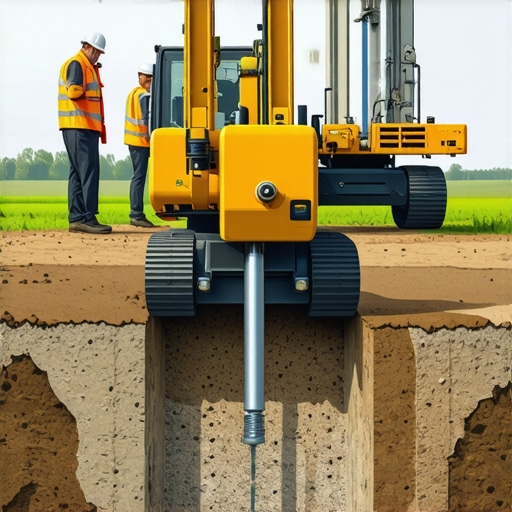
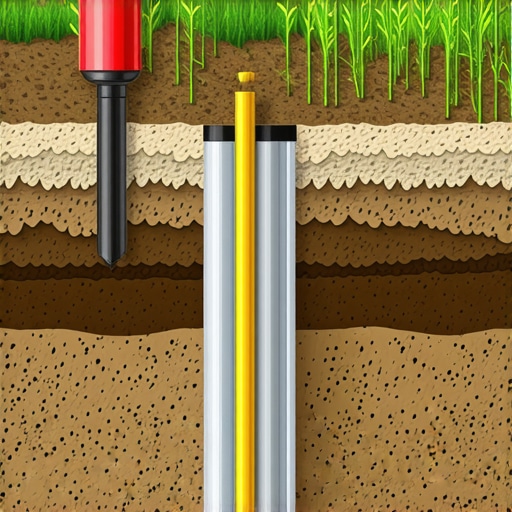
In my first project, I hired a geotechnical engineer to perform a comprehensive soil analysis. This included borehole sampling and ground-penetrating radar scans, which revealed nearby underground limestone caverns. This early step prevented us from constructing on unstable ground, saving thousands in potential repairs. Always opt for certified professionals who use reliable methods to assess ground stability—don’t cut corners with cheap testing, as it can be disastrous later.
Choose the Right Soil Stabilization Techniques
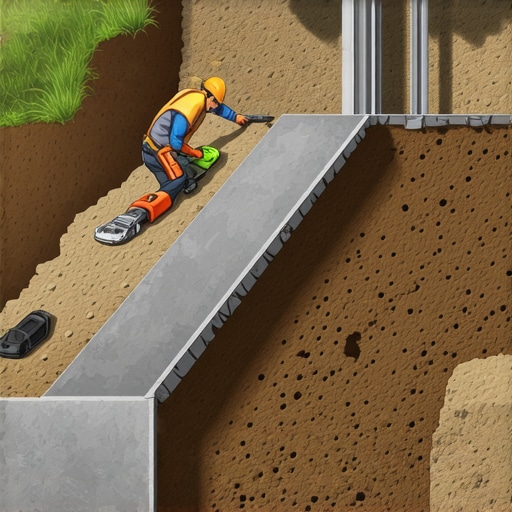
If your soil shows signs of collapse or loose material, implement stabilization methods such as soil nailing or grouting. I once worked on a backyard extension where the soil was sandy and prone to shifting. We applied chemical grouts that bonded particles together, drastically increasing stability. These techniques are akin to adding reinforcement to a building’s foundation—making sure the underground base can handle the weight and pressure of your new structure.
Map Underground Utilities and Geological Features
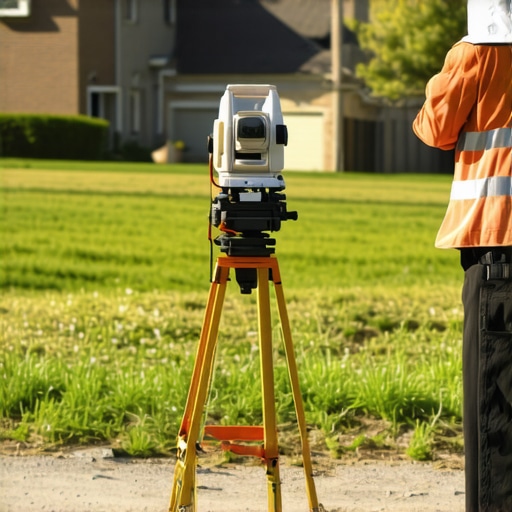
Before any excavation, I used a digital survey to locate existing underground utilities and natural features. This process is like drawing a detailed map of hidden obstacles—preventing accidental hits that could trigger ground subsidence. I recommend using the latest tools or consulting with experts who specialize in underground mapping, especially in areas prone to sinkholes. Refer to digital surveys for permit speed to understand how technology can streamline this.
Implement Proper Drainage Systems
Water plays a significant role in underground erosion. During my project, I installed French drains and waterproof barriers to divert water away from the foundation area. Proper drainage reduces soil saturation and swelling, minimizing the risk of ground collapse. Consider grading your yard to maintain proper runoff—this simple step significantly enhances ground stability. Check out grading tips to prevent flooding for more guidance.
Consult Local Geology and Building Codes
Always research regional risks. In my case, living near limestone bedrock required adherence to specific building standards. I reviewed local geological maps and building codes to ensure compliance. Sometimes, permits demand detailed proof of soil stability—failing which, approval may be delayed or denied. To simplify this process, review permitting guidelines tailored to your area’s geology.
Monitor Ground Movement During Construction
Throughout the building process, I used ground movement sensors to detect any shift in the soil. In one instance, subtle changes were picked up early, prompting an intervention before structural damage occurred. Real-time monitoring can be the difference between a safe build and a future disaster—especially on unstable terrain. Investing in such technology pays off by preventing catastrophic failures down the line.
While many homeowners believe that submitting permits and estimating costs are straightforward steps in any construction project, the truth is there’s a wealth of nuance that often gets overlooked. A common myth is that permits are merely bureaucratic hoops—something to check off for compliance—but in reality, they serve as vital safeguards against costly mistakes, especially when dealing with complex additions or new builds. Skipping or rushing this phase can lead to hidden issues that surface long after the foundation is laid, including project delays, legal complications, or structural failures. Moreover, inaccurate estimating isn’t just about underbidding; it’s about understanding the intricacies that influence overall costs. Overlooking factors like hidden site conditions, permit-related fees, or future compliance requirements can turn a seemingly affordable project into a financial nightmare. Recent studies, such as those highlighted in estimating guides, reveal that the most successful projects are those that incorporate detailed, nuanced assessments early on. For example, many assume permits are a one-size-fits-all process, but complex projects often require additional reviews, inspections, or variances that can delay approvals and inflate budgets. Rushing this process without understanding these nuances can trap homeowners in a cycle of unexpected costs and frustrations. So, what dark corners might you be missing? One critical area is the risk of permit approval delays stemming from overlooked regulations—like setback restrictions or utility conflicts—that are often only discovered during the review process. These issues can cause project timelines to extend by weeks or even months, increasing labor and material costs. To avoid these pitfalls, I recommend thorough pre-application research, which you can explore in detail at permit process guides. Another sneaky trap involves estimating errors—particularly underestimating site-specific challenges such as soil stability or underground utilities—which can drastically blow up your budget. A comprehensive approach includes engaging experts for detailed site assessments rather than relying solely on initial quotes. Remember, early-stage diligence not only saves money but also prevents emotional stress when unexpected issues arise during construction. Have you ever fallen into this trap? Let me know in the comments. By digging beneath the surface of permitting and estimating, you empower yourself to make smarter decisions, avoid costly delays, and ensure your project’s success from start to finish.
Keeping Systems Running Smoothly with the Right Tools
To ensure your construction projects remain on track and durable over time, investing in high-quality maintenance tools is essential. Personally, I rely heavily on digital moisture meters like the Protimeter Surveymaster to monitor soil and foundation conditions regularly. This device provides immediate, accurate readings that help me detect potential ground shifts before they evolve into costly repairs. For electrical system upkeep, I swear by the Fluke 116 HVAC Multimeter, which allows me to troubleshoot wiring issues efficiently and safely, saving time and preventing future failures.
Aside from handheld devices, software such as PlanGrid or Procore has transformed how I track ongoing maintenance and inspections. These platforms enable real-time document sharing, issue tracking, and task management, giving me a comprehensive view of my project’s health. Integrating these tools into your routine ensures proactive maintenance rather than reactive fixes, extending the lifespan of your investment and avoiding surprises down the line.
What’s the Future of Construction Maintenance Technology?
Advancements like IoT sensors embedded in foundations and structures are emerging, offering continuous monitoring and early warning capabilities. As these technologies become more affordable, they are poised to revolutionize our ability to maintain building integrity efficiently. Embracing these innovations now secures a competitive edge and peace of mind for years to come.
How do I maintain permit procedures and estimates over time?
Staying current with evolving regulations and cost benchmarks requires regular review of local building codes and updated estimating guides, such as the 2025 estimating guide. Establishing a routine check-in schedule with your permit authority and updating your project budgets with recent data prevents delays and budget overruns. Combining these practices with dependable tools like digital survey platforms (see digital surveys for permit speed) will keep your projects compliant and financially manageable long-term.
Expert tip: Schedule routine structural audits to catch issues early
Regular inspections, using tools like borehole cameras or structural integrity scanners, can highlight vulnerabilities long before they threaten the project. Performing these audits annually or after significant weather events ensures your structures maintain their safety and compliance. Don’t wait for visible damage; proactive maintenance saves both money and safety.
Try this advanced tip to elevate your maintenance approach
Implementing IoT-based structural health monitoring systems is no longer a futuristic idea—it’s accessible now. Installing sensors that track vibrations, shifts, or moisture levels can detect anomalies in real-time, giving you unmatched oversight. It’s a game-changer for large-scale projects or existing buildings where ongoing safety is critical. Start small by integrating a sensor in an area prone to movement, and build from there to create a comprehensive, smart maintenance network that reduces risk and extends your project’s lifespan.

What I Didn’t Expect About Ground Tests That Saved My Home
During my first major renovation, I underestimated the importance of detailed soil analysis. It wasn’t until I received the geotechnical report that I realized how much I didn’t know about the underground limestone caverns lurking beneath. This lightbulb moment taught me that comprehensive testing isn’t optional—it’s essential for safety and saving money in the long run.
Why Overconfidence in Soil Can Lead to Costly Mistakes
I once believed my backyard was solid ground, dismissing additional tests to cut costs. That mistake nearly cost me thousands when unexpected voids caused shifts during construction. The lesson is clear: trusting assumptions about soil stability can backfire, especially in areas with karst geology. Thanks to reliable soil stabilization methods and professional assessments, I avoided disaster and secured my investment.
How Learning from Experience Can Drive Better Decisions
My journey showed me that engaging with specialists early, like geotechnical engineers and underground utility mappers, saves time and stress. Investing in proper drainage and soil stabilization techniques transformed my project from a potential sinkhole to a model of stability. Sharing these lessons helps others prioritize ground safety and avoid common pitfalls in their construction efforts.
Reason to Trust and Use Specific Technologies
Tools like ground-penetrating radar and digital surveys proved invaluable. They revealed hidden underground features that would have been impossible to detect otherwise. Embracing technology in ground assessment not only prevents risky surprises but also streamlines the permit process—something I learned through hands-on experience and continuous learning from industry resources.
Final Thoughts: Think Big, Start Small, Stay Secure
Addressing ground stability might seem daunting, but with the right knowledge and tools, you can build confidently on your land. Don’t let unseen underground hazards catch you off guard—take the lessons from my journey to heart, and invest wisely in soil testing and stability measures. Your future self will thank you for prioritizing safety now.
Tools and Resources That Made My Projects Easier
- Geotechnical Professional Services: Rely on certified engineers for comprehensive soil assessments—I’ve used services recommended in the 2025 estimating guide.
- Ground-Penetrating Radar Devices: Equipment like GSSI’s models helped me visualize underground voids before breaking ground.
- Digital Survey Platforms: Software such as PlanGrid streamlined site mapping and utility location, saving time and avoiding accidental damage.
- Educational Resources and Local Codes: Reviewing regional building guidelines ensures compliance and informed decision-making.
Embrace the Challenge and Grow Confidence
Building on stable ground isn’t just about avoiding disasters—it’s about crafting a safe, durable home where memories can flourish without worry. Trust your research, utilize the right tools, and remember that proactive planning sets the foundation for success. Ready to dive into your next project with confidence? Your journey starts with a firm footing—literally and figuratively.