
How to Speed Up the Plan Review Process for New Homes
I vividly remember the afternoon I finally submitted my plan for that much-needed home addition, only to be greeted by a seemingly endless wait. Days turned into weeks, and frustration started to mount. It was a lightbulb moment for me—I realized I wasn’t alone in this struggle. Many homeowners and builders hit the same roadblock: slow permit review times that delay projects and inflate costs.
Why the Permit Slowdown Drains Your Energy—and Your Budget
The truth is, permit delays aren’t just annoying—they can set your entire home project back by months. These delays can cause ripple effects: increased labor costs, missed deadlines, and unnecessary stress. I learned early on that rushing or skipping steps only made things worse. Instead, I needed proven strategies to navigate the system efficiently.
Is It Really Worth the Hype to Speed Up Permit Approvals?
At first, I was skeptical—how much difference could a few tips really make? But I quickly discovered that small, intentional actions could shave weeks off the review process. Personal experience taught me that being proactive, organized, and knowledgeable about local regulations makes a significant impact. A common mistake I made early on was thinking I could just submit my plans and wait patiently. That approach almost doubled my wait time. Instead, I learned that understanding permit requirements and maintaining clear communication with authorities can make all the difference.
For more comprehensive insights on navigating permits efficiently, I highly recommend reviewing the detailed process outlined in this guide. It’s a game-changer for anyone trying to move their project forward without unnecessary setbacks.
Ready to dive into the most effective tactics I’ve picked up? Let’s turn that frustrating delay into a thing of the past—so your home addition can start and finish on your timeline. Keep reading, because I’ll share step-by-step how I managed to streamline my permit process and how you can do the same.
Compile Your Documentation Meticulously
My first real success came when I organized all necessary documents in a dedicated folder. This included detailed site plans, property surveys, and initial design sketches. By doing this, I avoided last-minute scrambling when the permit officer requested specific paperwork. To ensure compliance, consult the resource this comprehensive guide which walks through required documentation for various projects.
Research Local Regulations and Requirements
Understanding local codes saved me from unnecessary delays. I spent a weekend reviewing the zoning bylaws and permit regulations on my city’s website. Think of it as preparing a recipe—you need to know the ingredients and steps beforehand. For complex jurisdictions, I recommend reading this article to decode the nuances of local requirements.
Pre-Consult with Permit Authorities
Before official submission, I scheduled a pre-application meeting with the local permitting office. This proactive step is akin to testing the waters—it’s better to clarify expectations early than face rejection later. During my meeting, I brought initial plans and asked explicit questions about potential red flags. This approach prevented costly reworks and aligns with these expert tips.
Craft a Clear and Organized Submission Package
When I was ready to submit, I bundled my documents logically: cover letter, site plans, detail drawings, and compliance statements. I used tabs and annotations to guide reviewers through my submission. It’s similar to packaging a gift—presentation matters. Including a cover letter summarizing compliance points can expedite review—consider reviewing these tips for optimal packaging strategies.
Follow Up Diligently and Document Every Interaction
After submission, I scheduled follow-up calls weekly. Tracking my correspondence created a paper trail, which proved invaluable when delays arose. Think of it as maintaining a journal—you stay informed about your project’s progress and can promptly address issues. This disciplined approach reflects advice from this article.
Stay Flexible and Prepare for Adjustments
Despite thorough preparation, I faced some minor plan revisions suggested by the reviewer. I treated these suggestions as opportunities to improve my project’s compliance rather than setbacks. Maintaining a collaborative attitude often accelerates approval. Remember, this process is iterative—think of it as refining a recipe over multiple attempts to achieve perfection. Reviewing these practical tips can help you navigate revisions smoothly.
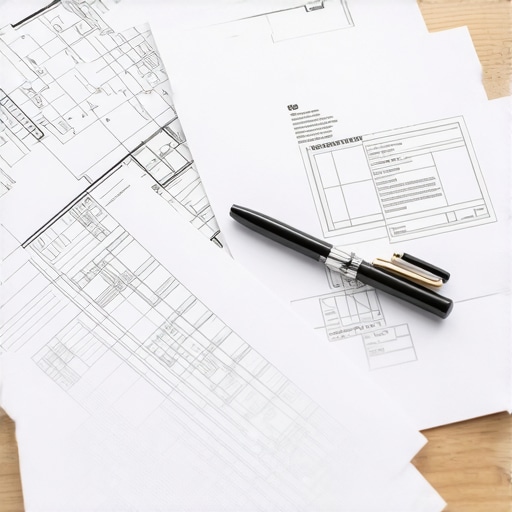 Many homeowners and builders fall prey to common misconceptions about estimating costs and navigating permits. One widespread myth is that simply doubling the initial estimate ensures accuracy; in reality, this can hide overlooked nuances, leading to budget overruns. Advanced professionals know that detailed line-item analysis and understanding regional permitting intricacies prevent costly surprises. A crucial trap to avoid is relying solely on historic averages without accounting for project-specific factors, such as soil conditions or material fluctuations—these can significantly sway costs.
How can savvy estimators account for unforeseen variables in complex projects?
Industry experts emphasize that incorporating contingency factors, based on thorough risk assessments, refines estimates and fosters trust with clients. For example, consulting resources like this expert guide reveals techniques to buffer against hidden expenses. Understanding that permits are not just bureaucratic hurdles but integral parts of project risk management shifts the perspective—treat them as opportunities to identify potential issues early. Overlooking this nuance is a common mistake, often resulting in last-minute delays or violations. As noted in recent studies, such as those compiled by industry authorities, proactive permit management correlates with smoother project execution and cost control.
Let’s dig deeper: Are you aware of the subtle factors that can inflate your project estimates? Recognizing these can make a significant difference. Have you ever fallen into this trap? Let me know in the comments.
To keep your construction projects running smoothly beyond the initial build, having the right tools and systematic approaches is crucial. From project management software to specialized equipment, maintaining your project’s momentum ensures durability, safety, and cost-effectiveness over time. One tool I personally rely on is Procore, a cloud-based project management platform. It centralizes communication, tracks progress, and archives all documents, which is invaluable for long-term reference and accountability. Using uniform documentation platforms like this minimizes miscommunication and keeps everyone on the same page, especially during complex additions or renovations. Additionally, digital tools like PlanGrid streamline blueprint management, enabling quick updates and real-time access for contractors and inspectors alike. These tools adapt well with emerging tech trends, such as AI-based scheduling assistants, which forecast potential delays and suggest proactive adjustments, helping your project stay on track in the future. For physical tools, I swear by Rotary Hammer Drills like the Bosch 11255VSR. They are versatile for both initial demolition and residual touch-ups, reducing the need for multiple machines. Investing in quality equipment means fewer breakdowns and longer lifespan, which is essential when managing multiple projects or scaling operations.
How do I maintain my tools and systems over time?
Regular maintenance is key—cleaning and lubricating machinery, updating software, and scheduling professional inspections extend tool life and prevent costly failures. Establishing a routine checklist for equipment upkeep and software updates ensures everything operates at peak performance. Looking ahead, integrating IoT-enabled devices into your tools could revolutionize maintenance practices, offering predictive analytics for repairs before issues happen. This proactive approach is the future of construction management, reducing downtime significantly. To achieve more reliable long-term results, I recommend establishing a comprehensive maintenance schedule that includes both physical tools and digital systems. Regularly reviewing and updating your processes based on industry innovations can offer a competitive edge and safeguard your investment. Remember, neglecting maintenance can result in unexpected failures, delays, and increased costs. For detailed insights into maintenance best practices, check out this resource. Take the time now to implement a scheduled check-in for your tools and systems—it’s an investment that pays off by keeping your projects on time and within budget. Also, consider conducting quarterly audits of your project documentation and workflows to catch potential issues early before they escalate into major setbacks. Staying organized and proactive is the secret to sustainable, long-term project success. Implementing these habits now can save you significant trouble down the line, especially as your projects scale or become more complex.
The Hardest Lesson I Learned About Estimating and Permits
One of the most eye-opening realizations was that rushing through permit preparation often leads to longer delays and unexpected costs. Taking the time to build a meticulous, evidence-backed estimate and engaging early with permitting authorities can drastically reduce project setbacks. I also learned that assumptions based solely on past projects or generic costs can bite you—regional nuances and project-specific factors matter immensely. Being adaptable and seeking expert advice early became my best strategy, preventing costly surprises down the line.
My Toolbox of Trusted Resources for Construction Success
To navigate these complex processes, I rely on several key tools. Expert estimation guides have helped me refine my budgeting accuracy, especially for unforeseen variables. I also use digital project management platforms like Procore to keep everything organized and transparent. When it comes to understanding permit intricacies, comprehensive guides provide critical insights that prevent delays. Lastly, community forums and local government websites are invaluable for real-time updates and regional regulations.
Your Next Step: Build Confidence and Conquer Challenges
Taking charge of your home addition project by mastering permit strategies and accurate estimating isn’t just a necessity—it’s empowering. Every milestone you reach in understanding and preparation turns frustrations into confidence, paving the way for smoother projects and happier homes. Remember, every expert was once a novice who dared to ask questions and learn from experience. Start applying these insights today, and you’ll be well on your way to making your vision a reality.
What has been your biggest challenge when estimating costs or navigating permits? Share your story below and let’s grow together!
,