How to Secure Your Building Site from Material Theft
I remember the sinking feeling when I arrived early one morning on my construction site and realized that several valuable materials had been stolen overnight. That moment hit me hard—like a punch to the gut. It wasn’t just the loss of raw materials; it was the disruption to my schedule, the added stress, and the worry about future security lapses. That experience was a lightbulb moment, sparking my deep dive into effective site security solutions.
Why Securing Your Construction Site Cannot Be an Afterthought
Property theft at construction sites is more common than many realize. According to the National Equipment Register, equipment theft alone accounts for tens of millions of dollars annually in the construction industry. Not securing your site can lead to unexpected costs, project delays, and even insurance issues. As someone who’s been through it, I can tell you that insuring against theft isn’t enough—preventing it in the first place is what truly saves your project.
Have you ever faced a similar setback? If so, you’re not alone. Many contractors underestimate how attractive an unsecured construction site can be for thieves. I thought minimal security measures would suffice, but I learned — often the hard way — that a proactive strategy is essential.
Is Your Security Measure Actually Worth the Hype?
Early on, I made the mistake of relying solely on basic fencing and occasional patrols. While they might deter casual theft, determined criminals often find ways around such measures. This oversight cost me time and money. Over time, I discovered that integrated security systems—like lighting, surveillance cameras, and controlled access points—are more effective in safeguarding materials.
Taking a strategic approach to site security is crucial, especially when you’re navigating permit requirements or scheduling complex additions. For example, understanding how to properly **navigate permit requirements for additions** can prevent avoidable delays that might leave your site vulnerable. For detailed guidance, check out this comprehensive overview of [permit processes for successful home additions](https://constructionedgez.com/understanding-permit-processes-for-successful-home-additions).
In the following sections, I’ll share practical steps rooted in personal experience and industry best practices to help you protect your investment. Whether you’re just starting or already in the thick of construction, these tips will help you stay one step ahead of thieves and safeguard your materials effectively.
Implementing Robust Security Protocols with Physical Barriers
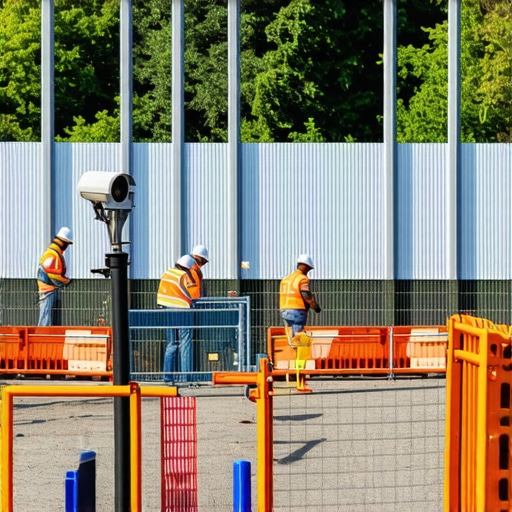
Start by installing high-quality fencing around your site, ensuring it is tall and sturdy enough to deter entry. Complement this with locked gates controlled via key cards or codes, restricting access to authorized personnel only. Periodically check the fencing for damage or breaches—think of it as a fortress that needs constant vigilance. During my project, I reinforced existing fences and added security cameras, which drastically reduced unauthorized access. The initial investment paid off by preventing theft and vandalism.
Enhance Visibility and Deterrence
Use motion-activated lighting and surveillance cameras strategically to cover all blind spots. Think of these as your site’s sentinels—alerting you to movement or suspicious activity instantly. In one instance, installing infrared cameras allowed me to monitor the site remotely, even at night, giving peace of mind and a record to review if needed. Remember, visible deterrents are often more effective than hidden ones; thieves prefer targets with minimal security.
Streamlining Permitting and Regulatory Compliance
Properly navigating permit requirements is crucial to avoid delays and legal issues. Begin by reviewing your local regulations, which vary by region. Use a step-by-step approach similar to assembling furniture—follow the instructions carefully to ensure compliance. For example, I had to secure a special permit for my addition; by consulting the detailed guides at this resource, I understood the documentation needed and the approval timeline, speeding up the process significantly. Missing or misfiling permits can cause project halts, so precision here is essential.
Prioritize Permits for Key Milestones
Identify critical permits needed before starting work—like foundation approval or electrical inspection—and apply early. Think of it as booking appointments before a trip; the sooner, the better. During my project, I submitted permit applications well in advance, which prevented postponements. Also, keep track of permit expiration dates and renewal processes to avoid lapses that could disrupt construction. Utilize tools like checklists to ensure nothing slips through the cracks.
Estimating Costs for Accurate Budgeting
Develop detailed estimates using current market rates and project specifics. Think of estimating as packing a suitcase—you want to fit everything you need without overpacking or leaving essentials behind. I relied on expert insights to refine my budget, adjusting for factors like material fluctuations and labor costs. Break down each phase—foundation, framing, utilities—and assign realistic costs to avoid surprises. Remember, accurate estimates keep your project on track financially.
Use Quantity Takeoffs and Historical Data
Perform thorough quantity takeoffs to determine material amounts, then cross-reference with past projects to verify accuracy. For instance, I used a detailed takeoff template to measure lumber and concrete needs, significantly reducing waste. This proactive step prevents costly overruns and material shortages. Keep in mind, overestimating can tie up capital unnecessarily, so aim for a balanced approach.
Managing Construction from Planning to Execution
Adopt project management techniques that keep everything on schedule. Visualize your project timeline as a flowchart, linking each task to dependencies—like a domino effect. I used a digital tool to assign tasks, monitor progress, and flag delays early. Regular site meetings ensure communication lines stay open, preventing misunderstandings. Think of it as steering a ship—constant adjustments are necessary to stay on course.
Coordinate Subcontractors and Material Deliveries
Schedule trades and deliveries to optimize workflow. For example, I coordinated the framers’ arrival with material shipments, avoiding storage issues and work stoppages. Communicate these plans clearly to all parties using shared calendars or project management apps—it’s your navigational map to smooth sailing. Unexpected delays in deliveries can cascade into larger issues; proactive scheduling minimizes this risk.
When it comes to estimating costs, permits, and planning new builds or additions, many professionals rely on oversimplified methods that can backfire, leading to costly errors. One widespread misconception is that a rough estimate suffices in the early stages. However, seasoned contractors know that inaccurate initial figures set the stage for delays and budget overruns. Overestimating might mean losing competitive bids, while underestimating can cause cash flow issues—it’s a delicate balance. For deeper insights, visit [cost-effective estimating techniques](https://constructionedgez.com/cost-effective-estimating-techniques-for-new-builds-and-additions).Another myth is that permit acquisition is a straightforward process, which isn’t always true. Many assume just submitting paperwork is enough, but the nuances of local regulations can trip up even experienced builders. For example, failing to understand regional setback requirements or specific code nuances can result in rejected applications or costly corrections. To navigate these complexities, check out [permitting tips for seamless approval](https://constructionedgez.com/the-secret-to-a-fast-permit-approval-process).An advanced pitfall lies in ignoring the intricacies of project timelines and how they intertwine with permit and inspection schedules. Overlooking the lead time for obtaining permits or underestimating the time needed for revisions can cause project delays—and budgets to spiral. Smart project management demands proactive planning, including detailed schedules aligned with permit processing times. Curious about managing such complexities? Read [managing additions from planning to execution](https://constructionedgez.com/efficiently-managing-additions-from-planning-to-execution).Moreover, many underestimate the importance of context-specific details, such as soil conditions or historic district restrictions, which can dramatically influence costs and timelines. A thorough site survey and understanding of local ordinance nuances—like the setback conflicts or tree removal permits—are vital. For more, see [navigating permit requirements for additions](https://constructionedgez.com/navigating-permit-requirements-for-additions-in-2025).Finally, an often-overlooked nuance is the psychological trap of anchoring estimates to initial figures, ignoring subsequent data or changes. This cognitive bias can lead to stubbornness in adjusting budgets or timelines, resulting in overruns and strained client relationships. Staying flexible and continuously updating your estimates based on real-time data is crucial. For advanced strategies, explore [estimating costs for new builds](https://constructionedgez.com/estimating-costs-for-new-builds-expert-insights).
Have you ever fallen into this trap? Let me know in the comments. Remember, mastery in estimating and permitting doesn’t happen by luck—it’s about understanding these nuances and avoiding common myths that can sabotage your project success.Maintaining momentum during a construction project requires more than just dedication; it demands precision tools and smart methods. I personally swear by a few key pieces of equipment and software that have transformed how I manage sites. Foremost among these is a high-quality laser level, such as the Bosch GLL3-330C. Its accuracy and ease of use enable quick, precise alignment for foundations, framing, and utilities, reducing rework and delays. Pair that with a rugged, site-ready tablet like the Panasonic Toughbook series—these withstand dust, drops, and weather, allowing me to access blueprints, update schedules, and review permits on the go. Using cloud-based project management tools such as Procore or Buildertrend, I can coordinate tasks, swap files, and maintain tight schedules, regardless of where I am on-site or in the office. Linkages between estimating software like PlanSwift and cost databases streamline bidding and change order management, ensuring the project stays within budget and timeline. As technologies evolve, I predict a future where AI-powered drones and augmented reality will further streamline project oversight, providing real-time site scans and hazard detection. How do I maintain these tools over time? Regular calibration for measurement devices, software updates, and routine inspections of hardware components are essential. For example, laser levels should be recalibrated annually or after any accidental drops. Similarly, scheduling quarterly reviews of project data enhances accuracy and efficiency. Make a habit of setting reminders from your software provider and keeping spare parts handy for your essential gadgets. Want to upgrade your site efficiency now? Try integrating a combination of laser measuring tools and cloud project management systems—they instantly elevate your oversight and reduce costly mistakes. For expert insights on upgrading your toolkit, visit https://constructionedgez.com/estimating-costs-for-new-builds-expert-insights.
The Hardest Lesson I Learned About Estimating and Permits
One of my most impactful realizations was how critical accurate estimates are to avoid budget overruns and project delays. Underestimating materials or time frame can lead to rushed decisions, costing more in the long run. I now meticulously cross-check every estimate, using tools like expert insights to refine my numbers and stay ahead.
What No One Tells You About Navigating Permits
Permitting can feel overwhelming, especially with regional nuances. I once believed submitting paperwork was enough, only to face delays due to overlooked details like setback requirements or zoning restrictions. Learning to proactively communicate and use dedicated resources such as permitting guides has transformed my approach, making approvals smoother and faster.
The Unexpected Power of Planning Additions
After experiencing project delays from poor planning, I now prioritize early application for permits related to additions. Delays in approvals can leave your site vulnerable or halt progress entirely. Incorporating strategies from this expert guide helps me align my timeline with permit schedules, ensuring steady progress and peace of mind.
How I Transformed Site Security Through Personal Hacks
Simple physical barriers like high-quality fencing combined with visible deterrents—such as lighting and cameras—made a huge difference. I learned that consistent site patrols and surveillance were more effective than static measures alone. Using tech tools like remote monitoring allowed me to keep an eye on my site 24/7, giving me confidence that materials are protected, especially after reading about adding value with expert insights.
Stepping Into the Future of Construction Planning
Embracing innovative tools like laser levels, tablets, and project management software has made my work more accurate and less stressful. Regular calibration and routine hardware reviews prevent costly mistakes. When I started integrating these technologies, I noticed immediate improvements—less rework, faster approvals, and better team coordination. For actionable advice, visit the top estimating strategies.