Why Cantilever Carport Prices in Midrand Depend More on Soil Than Steel
Why Cantilever Carport Prices in Midrand Depend More on Soil Than Steel
As a Civil Engineer who has spent years overseeing solar mounting structures and large-scale infrastructure projects across Gauteng, I have seen a recurring trend: homeowners and developers falling in love with the “floating” aesthetic of a cantilever carport, only to be blindsided by the quote. When people look at a cantilever structure, they see the sleek steel arms and the lack of obstructive front posts. They assume the price is driven by the steel. However, in my professional experience, specifically within the geological corridor of Midrand, the steel is the easy part. The real engineering – and the real cost – lies beneath the surface.
The reality is that Cantilever Carport Installation Prices often range from R15,000 to R35,000 for standard residential units. While this price range seems broad, the “why” behind the variance is rarely explained by sales representatives. To a structural engineer, the variance isn’t about the price of the metal; it is about the physics of leverage and the unpredictable nature of Midrand’s soil. If you are planning a project in this region, understanding the relationship between the foundation and the ground is the only way to ensure your investment doesn’t literally “heave” out of the earth in five years.
The Physics of the Cantilever: Why Foundations Matter
To understand why the ground dictates the price, we must first understand the engineering principle of a cantilever. Think of a diving board. When a person stands on the edge of a diving board, their weight creates a massive amount of “moment force” at the point where the board is bolted to the ground. In a standard 4-post carport, the weight of the roof is distributed vertically down four points. In a cantilever, that same weight (plus the weight of the steel itself) is transferred to a single side of the structure.
This creates a “leverage” effect. For every kilogram of weight on the outer edge of the carport, the foundation must provide an equal and opposite force to keep the structure from tipping over. This is known as the “moment arm.” Furthermore, we aren’t just designing for gravity. In South Africa, wind uplift is a major factor. A sudden gust of wind under a cantilever roof acts like a giant sail, attempting to rip the foundation out of the ground. Without posts on the outer edge to anchor the structure, the entire load is concentrated on the rear foundations.
Because of these forces, the foundation of a cantilever carport isn’t just a “hole with some cement.” It is a carefully calculated counterweight. If the foundation is too light or too shallow, the “moment” created by the roof will cause the concrete block to rotate in the soil, leading to a collapsed structure. This is why accurately estimating costs for home improvements involving structural steel requires a deep dive into the engineering specs rather than just a per-square-meter rate.
Midrand’s Geological Challenge: Expansive Clay and Stability
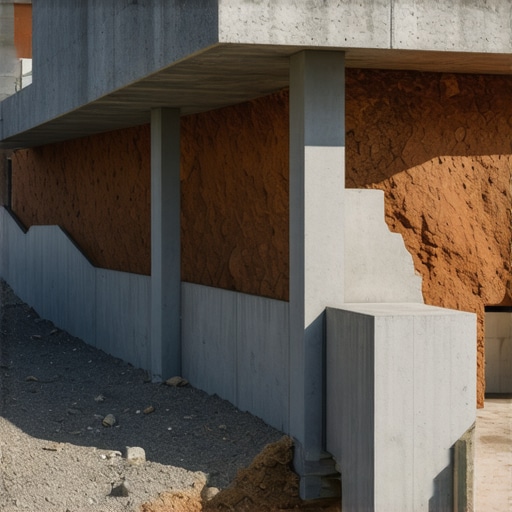
If you are looking at Carport Installation Prices Midrand, you are dealing with a very specific geological profile. Midrand is notorious in the civil engineering community for its “expansive” or “heaving” clays. These are soils that contain minerals like montmorillonite, which expand significantly when they absorb water and shrink when they dry out.
For a standard building, expansive clay is a headache. For a cantilever carport, it is a potential disaster. When the clay in Midrand gets wet during our summer thunderstorms, it exerts massive upward pressure. If your carport foundation is sitting in this “active zone,” the soil can literally push the foundation upward. Because a cantilever is unbalanced by design, even a few centimeters of movement at the base can result in a massive tilt at the roofline. Conversely, during the dry winter months, the soil shrinks, potentially leaving voids under the foundation that lead to settling.
When comparing Carport Installation Prices Johannesburg to those in Midrand, you might notice Midrand quotes are slightly higher for the same cantilever model. This is because a responsible contractor knows they must dig deeper – often past the active soil zone – to reach stable ground or “refusal.” In some parts of Midrand, this might mean digging 1.5 to 2 meters deep for a single post, whereas in the rocky terrain of the South Rand, they might hit shale at 0.5 meters. This extra excavation and the subsequent volume of concrete required are the hidden drivers of the price.
Breaking Down the Cost: Steel vs. Concrete & Labor
It is a common misconception that Steel Carport Installation Prices are the only variable. While steel is a commodity and its price fluctuates based on global markets and Eskom’s impact on local foundries, the quantity of steel in a cantilever is relatively predictable. A Single Carport Installation Prices quote will include a set amount of I-beams or rectangular hollow sections (RHS).
The real variance comes from the “wet works.” Let’s look at the math:
- Standard 4-Post Carport: Might require four holes of 300mm x 300mm x 600mm. Total concrete: Approximately 0.2 to 0.4 cubic meters.
- Cantilever Carport: Requires a massive “gravity” foundation or a reinforced “strip” foundation to act as a counterweight. A single-arm cantilever might require a base of 1.0m x 1.0m x 1.5m deep. Total concrete: 1.5 cubic meters or more.
That is nearly 4 to 5 times the amount of concrete for a Double Carport Installation Prices setup compared to a traditional design. When you add the cost of high-strength 25MPa or 30MPa concrete, the labor of hand-digging deep into Midrand’s clay, and the removal of the excavated soil, the “foundation” portion of your quote can easily exceed the cost of the steel roof itself. Furthermore, if you encounter hard rock during excavation, you might find why your custom home quote needs a rock excavation clause to be a very relevant piece of reading.
Why “Cheap” Quotes are a Red Flag in Gauteng
In my years of inspections, I have seen many “budget” cantilever carports in the North Rand and Centurion areas that begin to lean after just two seasons. The cause is almost always the same: the contractor cut costs on the foundation. When you see a quote for Shadeport Carport Installation Prices that seems too good to be true, the contractor is likely digging a shallow hole and hoping for the best.
A cantilever foundation requires more than just volume; it requires structural integrity. This means high-tensile steel rebar cages must be integrated into the concrete to prevent the “moment” force from snapping the concrete block. I always recommend that clients look for the specific rebar pattern that passes foundation inspections fast. If your contractor isn’t talking about “Y-12 rebar” or “starter bars,” they aren’t building a structure that will last. In the high-wind environment of the Gauteng highveld, a poorly anchored cantilever is a liability that could damage your vehicles or your home.
Comparing Alternatives: Shadenet, Wall Mount, and Sails
If the engineering requirements of a full steel cantilever are stretching your budget, there are other ways to achieve a similar look or function. Many residents in Midrand opt for Shadenet Carport Installation Prices because the lighter weight of the canopy reduces the “moment force” on the foundation, allowing for slightly smaller (and cheaper) footings.
Other alternatives include:
- Wall Mount Carport Installation Prices: If you can bolt one side of the carport to a structurally sound brick wall or a reinforced concrete beam, you eliminate the need for the massive counterweight foundations. However, the wall must be inspected by an engineer to ensure it can handle the lateral load.
- Shadesail Installation Prices: These offer the most “floating” look but require very deep, narrow “piled” foundations to resist the immense tension required to keep the sail taut.
- Multi Carport Installation Prices: When installing carports for a complex or office park, the price per unit often drops because you can share structural supports or use a “back-to-back” cantilever design, where the forces of two roofs cancel each other out, significantly reducing the foundation requirements.
Permits and Compliance in Midrand
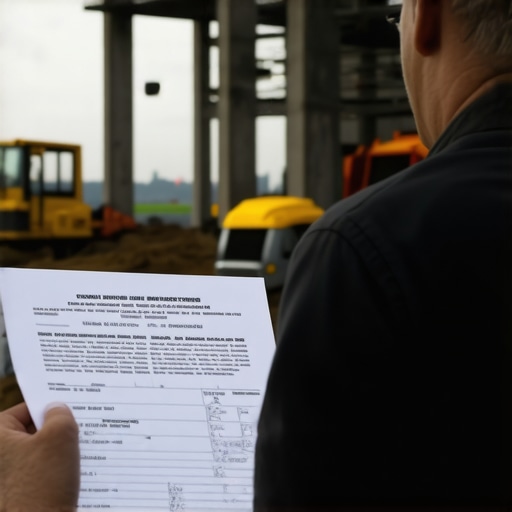
Because cantilever structures are “unbalanced” by nature, they are often scrutinized more heavily by municipal building inspectors in Midrand and Johannesburg. You cannot simply put up a cantilever carport without a structural engineer’s sign-off (Form 2) and approved building plans. The municipality knows the risks associated with these structures and will demand to see the foundation details.
Before starting, I highly recommend understanding permit processes for new building projects. Skipping this step might save you money upfront, but if you try to sell your property later, or if a neighbor complains, the cost of rectifying a non-compliant structure – or worse, the cost of a structural failure – will be far higher than the original permit fee.
Conclusion: Investing in Engineering, Not Just Aesthetics
A cantilever carport is a statement piece. It offers unparalleled convenience by removing the posts that so often result in dinged car doors. However, as a Civil Engineer, my advice to any homeowner in Midrand is to look past the paint and the steel. The true value of your carport is determined by the depth of the hole and the quality of the concrete poured into it.
When you receive quotes, don’t just compare the bottom line. Ask for a “foundation specification.” Ask the contractor how they plan to deal with Midrand’s expansive clay. A professional who understands the local soil will be happy to explain their engineering choices. Those who offer a “one-size-fits-all” price regardless of the ground conditions are the ones to avoid.
To find reputable installers who are familiar with the specific geological challenges of your neighborhood, I encourage you to check the Carport Installation Areas guide. Whether you are in Midrand, Centurion, or the East Rand, ensuring your carport is anchored correctly is the only way to ensure that your “floating” roof stays exactly where it belongs: above your car, not on top of it.