The Labor Shortcuts That Artificially Lower Your Attic Insulation Quote
The Labor Shortcuts That Artificially Lower Your Attic Insulation Quote
As a Lead Maintenance Technician and Foreman at KH Waterproofing and Restoration, I have spent decades crawling through the tightest, darkest corners of residential structures. I have seen the aftermath of “budget” construction projects firsthand – the mold growth, the sagging ceilings, and the astronomical energy bills that homeowners thought they were fixing. When you receive a quote for attic work, the number at the bottom of the page is often the only thing homeowners focus on. However, in the world of home performance, a low price is frequently a red flag indicating that the contractor is planning to skip the most critical labor steps.
The average cost to insulate attic spaces varies wildly across the Bay Area, and for good reason. A “blow-and-go” contractor might quote you $1,500, while a professional restoration and insulation firm might quote $4,500 for the same square footage. To the untrained eye, it looks like the latter is overcharging. In reality, the cheaper contractor is likely omitting 70% of the work required to actually make your home energy-efficient and safe. Insulation is a system, not just a material. If you only pay for the material, you are essentially throwing money into a drafty void.
The “Cap-Over” Trap: Why Skipping Removal Costs You More
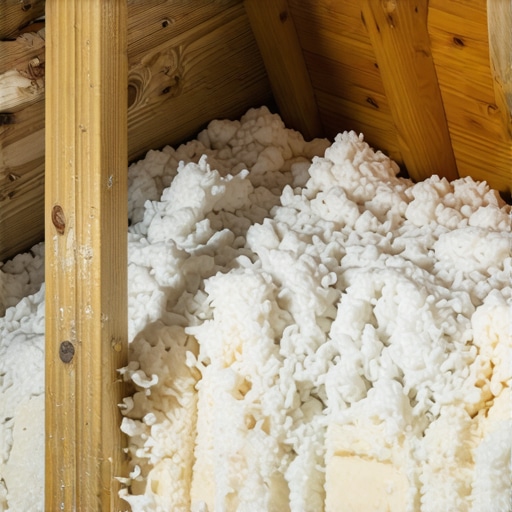
One of the most common ways contractors artificially lower the cost to replace attic insulation is by suggesting a “cap-over.” This is the practice of blowing new loose-fill insulation directly over the existing, decades-old material. On paper, this sounds efficient. You save on the labor of removal and the fees for disposal. However, from a technical maintenance perspective, this is one of the most damaging shortcuts a contractor can take.
Most homes built in the 1970s or 80s have insulation that has been compressed by time, dust, and moisture. When insulation compresses, it loses its R-value (resistance to heat flow). By blowing new material over the old, you are adding significant weight to a ceiling structure that wasn’t necessarily designed for it. More importantly, you are burying existing problems. If your old insulation is contaminated with rodent droppings or urine, adding new material traps those pathogens and odors, eventually forcing them down into your living space through light fixtures and top-plate gaps.
Furthermore, you cannot properly inspect the “floor” of your attic – the ceiling of your home – if it is covered in old debris. This is why professional attic cleaning services are a non-negotiable part of a quality quote. Without a clean slate, you cannot identify structural damage, hidden leaks, or existing pest infestations. If a contractor doesn’t include a line item for pest control in vallejo ca or a thorough clean-out, they are leaving you vulnerable to long-term health risks. You should also check out our guide on Why Your Attic Insulation Quote Probably Ignores Pest Cleanup Costs to understand the hidden biological hazards of old insulation.
The Missing Air Sealing Clause: The Invisible Efficiency Killer
If you want to know how much to insulate attic spaces effectively, you have to talk about air sealing. This is the single most labor-intensive part of an attic project, and it is the first thing budget contractors cut. Insulation (like fiberglass or cellulose) is designed to slow down conductive heat transfer. It does almost nothing to stop convective heat transfer – the movement of air.
Your attic floor is full of holes. There are penetrations for electrical wires, plumbing stacks, recessed lights, and the “top plates” of your interior walls. In the winter, the “stack effect” pulls warm air from your living room through these holes and into the attic. If a contractor just blows insulation over these holes, the warm air will still escape, passing right through the fluffy insulation like a breeze through a sweater. You need a windbreaker (air sealing) under that sweater (insulation).
A comprehensive attic insulation services package will include hours of labor dedicated to crawling into the eaves with cans of spray foam and tubes of caulk to seal every single one of these bypasses. When a contractor skips this, your new insulation might only perform at 50% of its rated R-value. You are paying for a product that cannot do its job because the prep work was ignored. This is why the cost to install insulation in attic areas must include a detailed air-sealing plan.
Ventilation and Moisture: Preventing the “Hot Roof” Syndrome
In the Bay Area, moisture is our greatest enemy. Proper bay area moisture control starts in the attic. A common shortcut taken by low-bid contractors is the neglect of “baffles” or rafter vents. These are plastic or foam channels that ensure air can flow from your soffit vents (at the bottom of the roof) up to the ridge vents (at the top).
When a contractor is rushing, they often blow insulation all the way to the edges of the attic, inadvertently clogging the soffit vents. This kills the airflow. Without ventilation, heat builds up in the summer, baking your shingles from the inside out and shortening their lifespan. In the winter, moisture from the house gets trapped in the attic, condenses on the cold roof sheathing, and leads to wood rot and black mold.
I have seen entire roof decks that needed replacement because a $2,000 insulation job didn’t include $200 worth of baffles and the labor to install them. If your quote doesn’t mention baffle installation or maintaining net free vent area, your contractor doesn’t understand building science. For more on the math behind this, read our article Why Your Attic Ventilation Math Is Probably Wrong.
Safety Shortcuts: Fire Hazards and Disconnected Vents
As a foreman, safety is my primary concern. The attic is a high-risk area for fire if handled improperly. Many older homes have recessed “can” lights that are not IC-rated (Insulation Contact). These fixtures generate significant heat. If a budget contractor blows cellulose or fiberglass directly against a non-IC rated light, it creates a massive fire hazard.
A professional will either install fire-rated covers over these lights or replace them with modern, airtight LED units before insulating. Similarly, many attics have dryer vents or bathroom exhaust fans that have become disconnected or were never properly vented to the outside. A shortcut-heavy contractor will simply bury these pipes under the new insulation.
Imagine your dryer pumping gallons of moist, lint-filled air directly into your brand-new R-60 cellulose. Within a year, you will have a sodden, moldy mess. This is why I always recommend dryer vent cleaning services and a full duct inspection as part of any attic overhaul. If the contractor isn’t looking at your ducts, they aren’t looking out for your home.
The True Cost of Attic Insulation Installation
When you ask, “how much does it cost to replace attic insulation?”, you are really asking for the price of a performance upgrade. To help you evaluate your quotes, here is a breakdown of what a legitimate, high-quality project looks like versus a “shortcut” job:
- Site Preparation: A quality contractor uses drop cloths and plastic sheeting to protect your floors and furniture from the inevitable dust of attic work. Budget contractors often leave a trail of debris from the front door to the attic hatch.
- Old Material Removal: This includes high-powered vacuuming of old material and a “sanitization” phase to neutralize any lingering biological contaminants from pests.
- Air Sealing: Using fire-block foam on all top plates, wire penetrations, and plumbing chases. This usually takes two technicians several hours.
- Baffle Installation: Ensuring every rafter bay has clear airflow from the soffit to the ridge.
- Dam Construction: Building a “dam” around the attic hatch to prevent insulation from falling out when you open the door, and insulating the hatch itself.
- The Insulation Itself: Achieving a modern standard of R-49 to R-60, depending on local climate zones and energy goals.
If you are looking for attic insulation contractors near me, ensure their quote includes these specific labor steps. If the quote is just a single line item for “Blowing R-38 insulation,” you are likely being set up for a “cap-over” that ignores air sealing and safety. You can also verify their credentials by reading How to Verify Your Contractor’s Liability Insurance for New Builds to ensure you are protected if an accident occurs during the install.
Why the “Average Cost” is Misleading
The average cost of insulation in attic projects is often cited as being between $1,500 and $3,500. However, this average is dragged down by “blow-over” jobs that don’t meet building codes or efficiency standards. In the Bay Area, where labor costs are higher and homes are often older and more complex, a proper cost to insulate attic project that includes full removal and air sealing is more likely to fall in the $4,000 to $7,000 range for a standard 1,500 sq. ft. attic.
This may seem like a steep cost of attic insulation installation, but consider the ROI. A properly sealed and insulated attic can reduce heating and cooling costs by up to 15-20%. More importantly, it prevents the need for future $15,000 mold remediation or roof replacement projects. When you pay for quality labor, you are paying for the peace of mind that your home’s “envelope” is secure. This is the same philosophy we apply to crawl space insulation; if you don’t fix the environment, the material won’t last.
The Technical Difference in Materials
Beyond labor, the choice of material impacts the attic insulation quote. Many budget contractors prefer fiberglass batts because they are cheap and fast to throw down. However, batts are notorious for leaving gaps. In an attic, even a 1% gap in coverage can lead to a 5% loss in total R-value. Professional installers often prefer blown-in cellulose or specialized mineral wool.
Cellulose is treated with boric acid, which provides a level of pest resistance and fire retardancy that fiberglass lacks. While the material cost is slightly higher, the performance and safety benefits are superior. If you are also renovating, you might consider The Specific Grade of Insulation Required for Soundproofing an Addition to see how material choice impacts more than just temperature.
Checklist: How to Vet Your Attic Insulation Quote
Before you sign a contract, ask the following questions to ensure you aren’t being sold a “shortcut” job:
- Does the quote include the removal of all existing insulation?
- Will you be using a HEPA-filtered vacuum for the removal?
- How many hours have you budgeted for air sealing the top plates?
- Are you installing baffles in every rafter bay?
- Are my recessed lights IC-rated, and if not, how will you protect them?
- Will you provide photos of the air sealing before the new insulation is blown in?
A reputable contractor will be happy to answer these. A contractor looking to cut corners will likely give you vague answers about “standard practices.” Remember, in the construction industry, “standard” often means “the bare minimum required to get paid.”
Conclusion: Investing in Labor, Not Just Fluff
When investigating how much to insulate attic, remember that you are not just buying bags of fiberglass or cellulose. You are buying a thermal boundary for your home. The labor shortcuts that artificially lower your attic insulation quote today will result in higher energy bills, poor air quality, and potential structural damage tomorrow.
As a foreman who has seen the results of both good and bad work, my advice is simple: prioritize the “invisible” labor. The air sealing, the cleaning, the venting, and the safety checks are what make the insulation work. If you are looking for a comprehensive solution that treats your home as a complete system, visit millerattics.com to see what a professional approach looks like. Don’t settle for a low bid that leaves your home at risk – invest in quality labor and enjoy a more comfortable, efficient, and safer home for years to come.