
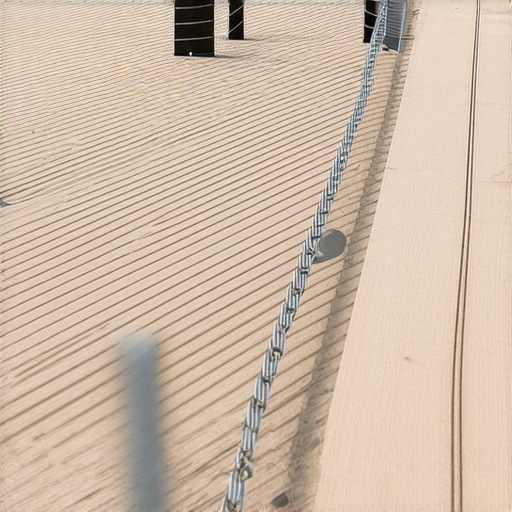
The Cable Railing Gap Rule That Stops Most Deck Approvals
The Cable Railing Gap Rule That Stops Most Deck Approvals
There is a specific kind of silence that happens on a job site in Ogden when a building inspector pulls a small, plastic ball out of his pocket. For many homeowners and DIY enthusiasts, that 4-inch sphere is the difference between a celebratory weekend on a new deck and a costly, frustrating teardown. I’ve seen it happen more times than I care to count. You’ve spent weeks researching decking near me, sourcing the finest materials from a utah deck supply specialist, and meticulously installing every strand of stainless steel. The deck looks like a million bucks, but the inspector’s sphere slides right through the cables with a gentle push. In that moment, your project is officially “non-compliant.”
My name is Tanner Bailey, and as a construction specialist here at Canyon View, I manage custom deck crews throughout the Ogden and Salt Lake City area. I’ve spent years navigating the nuances of the International Residential Code (IRC) and local Utah amendments. While cable deck railing systems are arguably the most popular choice for modern, high-end homes right now – offering those unobstructed views of the Wasatch Range – they are also the most likely to fail a final inspection. The reason almost always boils down to one thing: the “Gap Rule” and the misunderstood reality of cable deflection.
Understanding the 4-Inch Sphere Rule (IRC Building Code)
The International Residential Code (IRC) is the rulebook we live by in the construction industry. One of the most critical safety standards for any deck railing is the 4-inch sphere rule. Simply put, the code dictates that the openings in a guardrail must be small enough that a 4-inch diameter sphere cannot pass through. This isn’t an arbitrary number; it is specifically designed to prevent small children from slipping through the railing or, more dangerously, getting their heads stuck between balusters or cables.
When you are working with traditional vertical balusters – like those found in a standard composite deck railing – meeting this requirement is straightforward. You space your balusters 3.5 inches apart, and you’re safe. However, cable railing is a different beast entirely. Because cables are flexible, a static measurement of 3.75 inches between strands isn’t enough to satisfy an inspector. Before you even break ground or pull a permit, it is vital that you are understanding permit processes for new building projects to ensure your design accounts for these physical realities.
In Utah, inspectors are particularly vigilant about this rule. They know that cable systems can “give” under pressure. If a child can lean on a cable and create a 4.5-inch gap, the railing has failed its primary purpose. This is why the “sphere” isn’t just held up to the gap; it is pushed against it.
The “Deflection” Trap: Why Static Measurements Fail
The biggest mistake I see in DIY cable deck railing systems is the failure to account for “deflection.” Deflection is the technical term for how much the cable stretches or bends when force is applied. If you install your cables exactly 3-7/8 inches apart, they might look perfect while sitting still. But the second an inspector applies a few pounds of pressure with that 4-inch sphere, the cables will spread, the sphere will pass through, and your permit will be denied.
To pass a rigorous inspection in Ogden or Salt Lake, you have to over-compensate for this flex. Based on industry research and years of field testing, we recommend spacing cables at **3-1/8 inches on-center**. This tighter spacing ensures that even when the cable deflects under the weight of a 4-inch sphere, the resulting gap never exceeds the legal limit. It’s a small adjustment during the installation phase that saves a massive headache during the approval phase.
Furthermore, the type of cable and the tensioning hardware you use matter immensely. If you are sourcing your materials from a local deck depot, ask about the grade of stainless steel and the recommended tension levels. High-quality 1×19 316-grade stainless steel cable is the industry standard because it offers the least amount of stretch over time, making it the ideal choice for a cable deck railing system.
Post Spacing and Structural Integrity
You can have the tightest cable spacing in the world, but if your posts aren’t rock solid, the system will eventually fail. Cable railing exerts a tremendous amount of “end-pull” tension on your terminal posts. If those posts lean even a fraction of an inch, the cables will sag, the gaps will widen, and the 4-inch sphere rule will be violated once again.
In my experience, structural integrity begins at the ground level. We often talk about decking footers and deck foundations as the most “boring” part of a build, but they are the most critical for cable systems. If your footings settle or shift, your railing tension is gone. This is especially true if you are building on the varied terrain we have here in Northern Utah. I always tell my crews that why your addition footings need rebar chairs for proper support is a lesson you don’t want to learn after the concrete has cured. Proper rebar placement ensures the footing stays intact, providing a rigid base for the posts that hold your cable tension.
To maintain proper tension and minimize deflection, your railing posts should generally be spaced no more than 3 to 4 feet apart. If you have a longer run, you must use “intermediate pickets” or “spacer bars.” These aren’t structural posts that hold the weight of the deck, but they act as a guide to keep the cables from spreading too far apart. Without these spacers, even a highly tensioned cable will fail the sphere test over an 8-foot span.
Choosing the Right Materials for a Low-Maintenance Deck
When homeowners come to me wanting a low maintenance deck, they are usually looking at composite decking paired with a sleek railing system. The choice of decking material actually impacts how you should approach your railing installation. Composite materials expand and contract with the Utah temperature swings more than traditional wood, which means your railing connections need to be robust.
Two of the most popular choices we see at the utah deck supply houses are Deckorators and Trex. If you’ve read a deckorators review or looked at a deckorators vs trex comparison, you know both brands offer incredible aesthetics. For instance, the deckorators venture sandbar provides a beautiful, sandy tone that looks stunning with black cable railing. On the other hand, trex decking pebble gray offers a classic, weathered look that pairs perfectly with stainless steel hardware.
When using Deckorators or Trex, I often recommend a sturdy top rail like the timbertech fulton rail. This provides a “graspable” surface that meets code while offering the structural rigidity needed to keep the end posts from pulling inward under the weight of the cable tension. Using high-quality trex deck boards for the surface is great, but don’t skimp on the railing components; they are what keep your family safe and your project legal.
Pro-Tips for Passing Your Inspection in Utah
If you are building in the Ogden area, you need to be prepared for an inspector who knows exactly where people cut corners. Beyond the 4-inch sphere rule, there are several “pro-tips” that can ensure your deck passes on the first try. First, always source your hardware from a reputable deck depot rather than a big-box store. The tensioning kits sold at specialized shops are designed for the high-tension requirements of modern code.
Here is a quick checklist for your final walk-through:
- Use a Tension Gauge: Don’t guess. Use a gauge to ensure every cable is tightened to the manufacturer’s specifications (usually around 200-300 lbs of force).
- Blocking is Key: Ensure your trex deck boards have extra structural blocking underneath where the railing posts are mounted. Without it, the posts will wobble, and the cables will sag.
- Lateral Load Connections: In Utah, seismic and wind loads are real concerns. Understand why your second story deck needs lateral load connections. This is a common “miss” that inspectors flag alongside railing issues.
- Check the “Triangle”: Don’t forget the gap between the bottom cable and the deck surface. That, too, must reject the 4-inch sphere.
Building a deck is a significant investment. Whether you are looking for deck materials near me or hiring ogden decks specialists to handle the heavy lifting, the goal is the same: a beautiful, safe outdoor space. Don’t let a simple geometry rule – the 4-inch sphere – stand in the way of your final approval. If you are planning a complex build, like adding a spa, make sure you also research the structural requirement for installing a hot tub on a deck, as this will change your footing and framing requirements significantly.
Conclusion & Final Checklist
The allure of cable deck railing systems is undeniable. They offer a “barely there” aesthetic that complements the natural beauty of our Utah landscapes. However, that beauty must be backed by structural discipline. By following the 3-1/8 inch on-center spacing rule, you account for cable deflection and ensure that the 4-inch sphere rule is never a problem for your inspector.
Before you start your project, I highly recommend visiting ogdendeckdepot.com. They are the premier resource for deck supplies near me and can help you select everything from accessories for deck styling to the heavy-duty hardware required for a legal cable installation. Remember: a deck that “looks right” isn’t enough. It has to be a deck that is built right. Tighten those cables, check your post spacing, and you’ll be enjoying your new view in no time.