

How to Account for Mobilization Fees in Remote Site Estimates
If you’ve ever found yourself staring at a construction estimate with a knot forming in your stomach, you know that feeling of uncertainty. I remember my own lightbulb moment when I realized I had underestimated mobilization fees for a remote project, only to be blindsided by unexpected costs that ate into my profit margin. It was a harsh lesson, but one that set me on the path to understanding how to properly account for these often-overlooked expenses.
Why Tiny Fees Can Derail Your Entire Project Budget
Mobilization fees—those little charges meant to cover the transportation, setup, and initial work for a construction project—are frequently underestimated or neglected altogether. Yet, they can constitute a significant chunk of your costs, especially when working in remote locations. Mishandling these figures can lead to budget blowouts, strained relationships, and project delays.
Are Mobilization Fees Really Worth the Fuss?
I used to dismiss mobilization costs as a minor detail—until I learned that neglecting them can inflate project budgets by up to 15%, according to recent industry data. Early in my career, I made the mistake of combining mobilization with general costs, which skewed my estimates and made me look less professional to clients. That experience taught me the importance of a clear, detailed approach to these fees.
Understanding the nuances of mobilization costs isn’t just about crunching numbers; it’s about safeguarding your project’s profitability and credibility. Have you faced unexpected mobilization expenses? If so, you’re not alone. The good news is, with the right strategies, you can master this part of your estimate and avoid costly surprises down the line.
Today, I’m going to guide you through proven methods to accurately account for mobilization fees, so your estimates reflect reality—and your profits stay intact. Ready to stop guessing and start estimating like a pro? Let’s dive into the practical steps that will make this process clearer and more reliable for you.
Break Down the Components of Mobilization Fees
Start by listing every element that constitutes mobilization costs: transportation, equipment setup, permits, site preparation, and initial labor. During a project, I once overlooked permit fees and initial site clearance, leading to a $2,000 surprise that threatened my budget. To avoid this, create a detailed checklist based on past projects and current job specifics.
Use Detailed Cost Models Instead of Flat Rates
Rather than applying a generic flat fee, develop a model that considers distance, project size, and existing site conditions. For example, when estimating for a remote build, I calculated transportation by mileage, factoring in fuel costs and vehicle types. This granular approach improved our accuracy and prevented overestimates or underestimates, which is crucial when bidding competitively.
Incorporate Contingency Buffers
Always add a contingency—typically 10-15%—to your mobilization estimate. I learned this the hard way when a last-minute permit delay added unexpected costs. Including a contingency helps cushion such surprises, ensuring the project remains profitable even if unforeseen expenses arise.
Account for Permit and Regulatory Costs Early
Permitting can be a major hidden expense. In a recent residential addition, I initially overlooked permit fees, which added 8% to the total mobilization costs. To prevent this, consult local codes and regulations early, access resources like permit guides, and include these costs in your initial estimate.
Adjust the Estimate for Site-Specific Conditions
Evaluate factors such as accessibility, terrain, and existing infrastructure. For instance, in a hillside project, access was limited, increasing transportation and setup times. Adjust your estimates accordingly by visiting the site beforehand or reviewing detailed site plans.
Estimate Equipment and Material Storage Needs
Include costs for on-site storage or renting containers. During a mid-size project, I underestimated storage costs, which led to delays and added expenses. Decide whether you need to rent secure containers or off-site storage, and add those costs to your mobilization estimate.
Leverage Historical Data and Software Tools
Use past project data to inform your current estimates. I routinely review previous bids in construction estimation software to identify cost patterns, ensuring consistency. Tools can also automate calculations and update costs dynamically, saving time and increasing accuracy.
Maintain Clear Communication with Stakeholders
Keep clients, suppliers, and subcontractors in the loop about mobilization costs. During one project, a supplier changed fuel surcharge rates unexpectedly. By maintaining transparent communication, I adjusted our budget promptly, avoiding disputes and delays. Always document agreed costs to prevent misunderstandings.
Regularly Review and Update Your Estimation Process
As market rates fluctuate, continuously refine your approach. I set quarterly reviews of our estimation templates and data sources, which keeps us aligned with current costs and industry standards. This vigilance ensures your estimates stay reliable over time.
By implementing these precise, step-by-step methods, you can transform your mobilization fee estimates from guesswork into a reliable part of your overall project budget. This core technique safeguards your profits and enhances your professionalism in every bid.
Interested in sharpening your estimating skills further? Check out top strategies for project budgeting for more expert advice and advanced techniques.

While many believe that accurate estimates are primarily about crunching the right numbers, the real mastery lies in understanding the subtle complexities and myths that can trip up even seasoned professionals. Contrary to common assumptions, estimating isn’t just about adding up costs; it’s about interpreting those numbers with a keen eye for nuance and potential pitfalls.
Why Do Most People Misjudge Permitting and Additions?
A frequent misconception is that permits are a straightforward cost to add at the end of your project. However, permitting processes often involve hidden delays, zoning disputes, and specific code requirements that can dramatically inflate costs if overlooked.
For example, some underestimate how long permit approvals can delay a project, causing the estimator to miss critical scheduling and cash flow impacts. An often-overlooked detail is that permits for additions can require different approvals than new builds, leading to unexpected expenses and timeline extensions. I’ve seen budgets blow up because estimators assumed the same process across all project types.
Another common myth is that allowances for permits and additions are universally standardized. The truth is, local jurisdictions vary widely in fee structures and approval timelines. Doing diligent research and building in local-specific contingencies is essential.
Advanced Mistakes Contractors Make When Estimating New Builds
Many focus solely on material and labor costs but forget to account for site-specific nuances such as soil conditions, existing utilities, or environmental restrictions that can escalate expenses unexpectedly. Advanced estimators know that incorporating these factors early prevents costly revisions later.
For instance, assuming standard soil conditions in a new build across varied topographies can lead to underestimating foundation or drainage costs. This oversight emphasizes the importance of conducting thorough site analysis before setting your estimates.
Additionally, many underestimate how zoning restrictions impact buildability. I once bid a project where a local setback rule reduced usable lot space, necessitating redesigns and additional permits, which were never accounted for initially. These “hidden” constraints underscore the need for detailed due diligence.
What About the Myth That Larger Projects Are Easier to Estimate?
It’s tempting to think that bigger projects mean more room for error, but in reality, scale amplifies the hidden variables. Larger builds have more moving parts, more subcontractors, and a greater likelihood of unforeseen issues. Properly managing these complexities requires advanced estimation techniques, like probabilistic cost analysis, which many overlook.
Studies show that large projects experience more variance in completion times and budgets when estimators rely solely on historical averages. Incorporating contingency planning, sensitivity analysis, and dynamic updating of estimates are critical for success in these scenarios.
In my experience, the key is to treat each element—permitting, site conditions, and project scope—with a strategic lens, rather than just a sum of parts. This approach reduces surprises and builds trust with stakeholders.
Think you’re ready to refine your estimating process? Dive deeper with comprehensive guides like estimating costs for home improvements or top strategies for accurate project budgets. Have you ever fallen into this trap? Let me know in the comments.

Embracing Technology for Long-Term Maintenance
To ensure your projects stay on track from start to finish, leveraging the right tools is essential. I personally rely on construction estimating software like our estimation tools because they allow me to update costs dynamically, incorporate market fluctuations, and generate detailed reports effortlessly. This not only improves accuracy but also saves valuable time during revisions and project management.
Why I Switched to Digital Tools
Initially, I relied heavily on spreadsheets, but they became cumbersome as project scope grew. Transitioning to dedicated software provided real-time collaboration features, version control, and integration with other project management platforms. Over time, this shift reduced errors and improved communication across teams, which is critical for long-term success.
Building a Reliable Maintenance Routine
Consistent maintenance of your estimating and project management systems ensures longevity and accuracy. I recommend quarterly reviews of your templates and software updates to keep pace with industry changes. For example, incorporating new permit processes, as outlined in this resource, helps prevent costly delays caused by outdated procedures.
How do I maintain tools and data over time?
Establishing a routine that includes regular backups, software updates, and team training helps keep your tools effective. Additionally, maintaining close contact with suppliers and regulatory bodies via platforms like our contact page ensures you’re always informed about policy changes that could impact your estimates or project scope.
Scaling Your Operations Sustainably
As your business grows, so do the demands on your estimating tools and processes. To scale effectively, consider integrating advanced features such as AI-driven cost predictions and real-time market data feeds. For instance, adopting industry-best practices can help you identify trends and adjust estimates proactively, reducing risk and improving competitiveness.
Anticipating future trends is vital. According to recent industry analysis, the integration of predictive analytics is set to revolutionize construction estimating, providing even more precise forecasts. Staying ahead requires continuous learning and adaptation, so I encourage you to experiment with emerging tools and methodologies.
Addressing Common Maintenance Questions
Many professionals ask, “How do I ensure my estimating process remains accurate over multiple projects?” The key lies in standardizing procedures, leveraging reliable software, and regularly reviewing historical data to identify areas for improvement. Testing new features, like automated cost updates, can significantly enhance your accuracy and efficiency.
Try integrating one advanced tip today—such as setting up automated alerts for market rate changes—and observe how it streamlines your workflow. Remember, the goal is to build a resilient system that evolves with your project needs and industry standards.
Looking Forward
In the near future, expect more construction firms to adopt AI-powered estimation tools, which will refine accuracy and reduce human error. Staying current with these innovations will position your business for long-term success. To explore this further, check out our comprehensive guide on adding value with expert insights.
Maintaining your tools and processes isn’t just about technology—it’s about cultivating habits of continuous improvement. By doing so, you’ll enhance project outcomes, safeguard profits, and build a reputation for reliability and precision in all your bids.
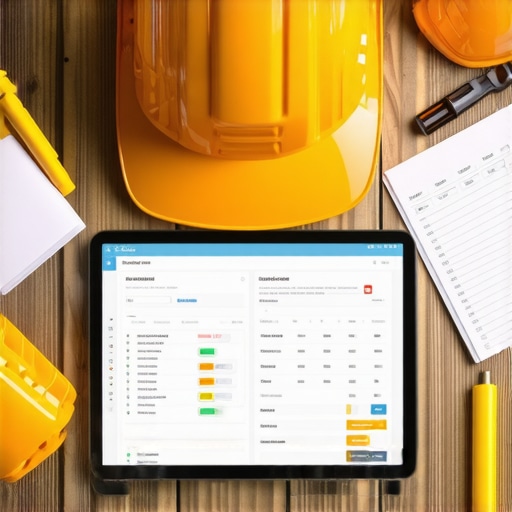
Visualize your maintenance routine with a clear workflow diagram, showing checkpoints for updates, backups, and training sessions. This will help your team stay aligned and proactive, ensuring your estimating and project management tools serve you well for years to come.
The Hardest Lesson I Learned About estimating, additions, permitting, new builds
One of my most eye-opening experiences was realizing that even small permit delays could ripple through the entire project timeline, inflating costs and stressing relationships. It taught me the importance of viewing permits not as paperwork but as critical project milestones that need early attention.
3 Myths About estimating, additions, permit, new builds That Held Me Back
- Permits are straightforward and predictable. I once underestimated permit approval times, leading to misaligned schedules and budget overruns.
- Site conditions don’t significantly affect permits. Soil, existing utilities, and zoning can drastically change costs and approval processes.
- Bigger projects are easier to estimate. Larger builds often hide complex permit requirements and site-specific challenges that can derail even the most detailed plans.
What Experts Won’t Tell You About estimating, additions, permit, new build
Many seasoned professionals skip the nuanced details of local regulations, assuming standard procedures apply everywhere. However, deep dives into local codes and early permit consultations reveal hidden costs and prevent surprises. Embracing this informational edge transforms uncertainty into confidence.
My Essential Toolkit for estimating, additions, permits, and new builds
- ConstructionEdgez estimation software – Trusted for its dynamic updates and comprehensive data, making complex calculations more reliable.
- Local permitting guides and resources – Access to detailed, jurisdiction-specific information saves time and money.
- Site inspection checklists – Early site evaluations reveal surprises that could inflate estimates if overlooked.
- Industry networks and contacts – Building relationships helps clarify permit processes and expedites approvals.
The Future of Estimating and Building Confidence
By embracing detailed insights, leveraging advanced tools, and paying close attention to the often-overlooked permit intricacies, you can elevate your estimating game. Remember, each project is a learning opportunity that refines your skills and broadens your understanding. With continuous improvement, you’ll transform estimation from guesswork into a strategic advantage, ensuring profitability and client satisfaction. So, what’s your next step? Dive into local regulations, enhance your toolkit, and share your experiences. Together, we can build smarter, safer, and more successful projects.
Don’t Be Afraid to Start
Every expert was once a beginner who dared to look beyond the basics. Take that bold step today—consider the permit and new build complexities early, and watch your confidence grow. Mastery in estimating isn’t magic; it’s deliberate practice and curiosity in action. Share your stories below—what surprises have you uncovered in local permits or project planning? Let’s learn from each other and build a community rooted in always improving.