

How to Handle a Stop Work Order Due to Expired Permits
Just last month, I stood on my freshly poured foundation, feeling confident—and a little cocky—only to hear the dreaded knock at the door. It was code enforcement, handing me a stop work order. My stomach sank. I had missed renewing an expired permit for my addition. That moment was a stark reminder: in the world of construction, permits aren’t just bureaucratic hoops—they’re the backbone of a safe, legal project.
Facing a Stop Work Order Over Expired Permits: What You Need to Know
If you’re like I was, thinking permits are just paperwork, this could be your wake-up call. When permits expire unexpectedly, your project can come to a screeching halt. It’s frustrating, stressful, and if you’re unprepared, costly. But here’s the thing—obtaining a permit isn’t just about ticking boxes; it’s about ensuring your build is up to code, safe, and legally compliant. Ignoring permits, especially expired ones, can lead to fines, forced demolitions, and significant delays.
From my experience, the first step is understanding how and why permits expire. Permits typically have expiration dates, partly to ensure inspections happen timely and to keep projects on track. If those dates pass without renewal, the permit is considered invalid. This can trigger a stop work order, which is exactly what I faced. But don’t despair—there are clear, actionable steps to get your project back on track.
Have you already ignored a permit renewal deadline? You’re not alone.
I made the mistake early on of assuming that once a permit was issued, I was good to go forever. Big mistake. That oversight cost me time and money. According to industry experts, over 30% of permit-related delays stem from permit expiration issues, which could be avoided with proactive management. For a deep dive into permit requirements, check out this comprehensive guide.
In the chapters ahead, I’ll share the practical steps I took—and you can take—to resolve a stop work order and keep your project moving forward. But first, it’s crucial to understand the underlying rules around permit validity and expiration, so you can avoid making the same costly mistake. Ready to dive in? Let’s get started on the roadmap to handling these hurdles without losing your cool—or your project.
Identify and Confirm Your Permit Status
Since I ignored my permit renewal, I first logged into my local building department’s portal, using my project details to verify the permit’s status. I discovered it had expired, which explained the stop work order. To prevent confusion, always verify your permit status online early, especially before critical phases begin or after extensions.
Gather Necessary Documentation and Evidence
Next, I compiled all relevant documentation: approved plans, inspection reports, and proof of past compliance. Having organized records made the process smoother and helped demonstrate my good-faith efforts when applying for renewal. Keep digital copies accessible; some jurisdictions now require electronic submissions.
contacts the Building Department and Explain Your Situation
I contacted my local building department directly, speaking with a plan examiner. Clear communication is vital; I explained the reasons for the lapse and expressed willingness to rectify promptly. Be honest about oversight—departments often appreciate proactive engagement rather than surprises.
Prepare for Retroactive or Reinstatement Applications
In my case, I needed to submit a retroactive permit application, including current site photographs and a detailed explanation of my project’s status. Some areas may require paying a renewal fee; others might ask for additional inspections or correction of code violations. Review local rules via this permit guide to ensure completeness.
Pay Outstanding Fees and Complete Required Inspections
Upon submitting my application, I paid any overdue fees and scheduled inspections. Sometimes, the department will perform a site visit before reinstating the permit. During this phase, ensure your site is compliant with current codes; neglecting this could cause further delays.
Follow Up and Obtain Your Reinstated Permit
I maintained regular contact with the department, tracking my application’s progress. Once approved, I received my permit reinstatement letter, and the stop work order was lifted. Keep copies of all correspondence and approvals for future reference and audits.
Mitigate Future Expirations with Proactive Management
To avoid repeating this hassle, I set calendar reminders for renewal deadlines and periodically checked my permit status online. Many jurisdictions offer online portals like this service to streamline renewals. Regular oversight ensures your project stays compliant and avoids costly halts.
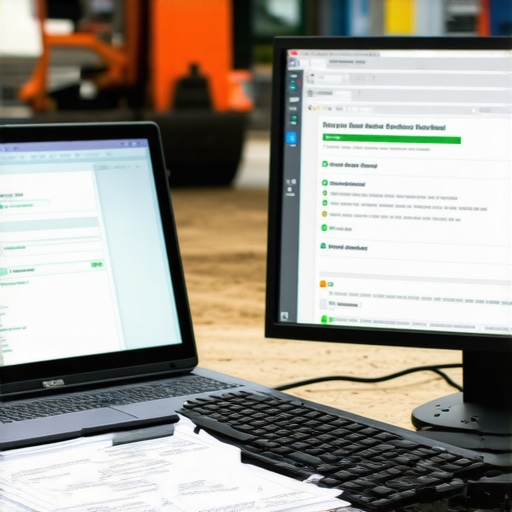 Many contractors and homeowners operate under common misconceptions about additions, new builds, estimating, and permits. Let’s dig deeper into some of these nuances that can make or break your project success. First, there’s a widespread belief that permits are merely bureaucratic hurdles to be minimized or bypassed, but in reality, understanding permit nuances—like expiration triggers and renewal tactics—can save you significant delays. For instance, few realize that permits often have specific window requirements for inspections, and missing these can lead to non-compliance issues, costing thousands in rework. It’s a mistake to assume that once a permit is issued, your responsibilities end; ongoing management is crucial, as explained in this detailed guide.
When it comes to estimating—many rely on simplistic square footage calculations—yet, advanced estimates incorporate factors like site accessibility, material fluctuations, and unnecessary contingencies. Overestimating can lead to budget blowouts, while underestimating risks project delays. A strategic approach, leveraging techniques from this resource, can help you develop accurate budgets.
A common myth is that new builds are straightforward if you follow the code rules. But the reality is, nuances such as soil stability, load calculations, and local variance requirements are critical for safety and compliance. For example, overlooking the importance of soil testing can result in foundations that crack or sink, leading to costly repairs. Skilled estimators and builders consider these hidden factors upfront.
Another advanced mistake is underestimating permit re-approval timeframes, especially when projects span multiple phases or jurisdictions. In my experience, proactive engagement with local departments—like checking this step-by-step permit wisdom—can mitigate unexpected delays. Remember, proper documentation, clear communication, and understanding jurisdictional extensions are vital.
Finally, urban projects often ignore easement and setback changes—small oversights that cause major legal hassles. Being aware of these hidden constraints and how they interact with permits can prevent future conflicts. These are advanced details, but mastering them elevates your projects from ‘good enough’ to ‘expert level.’
Do you often fall into these traps? Share your experiences or questions in the comments below. Staying informed about these subtle, yet impactful, factors keeps your construction projects on the fast track and under budget.
Tools that Keep Your Construction Workflow Smooth
When managing a construction project, having the right tools is essential for maintaining momentum and ensuring quality. I personally rely on a combination of project management software and physical equipment that streamlines every phase. For instance, Procore has become my go-to platform for real-time collaboration, document sharing, and issue tracking. Its mobile app keeps me connected on-site, enabling instant updates and notifications, which are vital for maintaining tight schedules and quality control. Additionally, Laser Distance Measurers like the Leica Disto series eliminate manual tape measurements, replacing guesswork with precision—saving time and reducing errors in estimating and layout tasks.
Far beyond basic tools, I utilize digital leveling instruments to verify elevations during foundation pour and framing, ensuring compliance with design specifications. These tools help prevent costly rework due to skewed foundations or misaligned structures, which can compromise long-term stability. When paired with accurate estimating strategies, these instruments empower me to keep each phase within budget and timeline, crucial for scaling projects efficiently.
Streamlining Permits for Long-Term Success
In my experience, permits are not a one-and-done step; they’re ongoing commitments that need careful oversight. To do this efficiently, I leverage online permit management portals. These digital platforms allow me to track renewal deadlines, upload required documentation, and receive updates directly. This proactive approach minimizes the risk of permits lapsing, which can halt a project unexpectedly and set back timelines significantly. As the trend toward digitalization grows, investing in dedicated permit management tools now prepares you for seamless renewals and compliance checks in the future.
Moreover, regular maintenance of equipment like generators, cranes, and scaffolding ensures they operate safely and effectively throughout the project lifecycle. Implementing a routine inspection schedule—using checklists and logging data—helps prevent failures that could cause delays or safety hazards. This habit maintains operational readiness and ensures your project doesn’t lose momentum due to preventable equipment issues.
How do I maintain long-term construction efficiency?
The key is integrating technology and consistent routine checks. Updating your toolkit periodically with the latest hardware and software, and conducting scheduled maintenance, establishes a reliable workflow. As I plan my projects, I predict that in the near future, increasing automation and smart equipment will further refine project management. Embracing these advancements now, like adopting smart permit tracking tools and precision measurement devices, positions you ahead of the curve.
So, I encourage you to try integrating a laser measuring tool into your next project’s layout phase. The immediate accuracy gains and time savings are well worth it—and it’s an easy step toward more professional results.
The Unexpected Lessons That Changed My Approach to Building
My biggest takeaway was realizing that permits are more than just paperwork—they are your project’s foundation for legality and safety. Overlooking renewal deadlines taught me the importance of proactive permit management, a lesson that saved me from costly delays. Additionally, I learned that accurate estimating isn’t just about numbers; it’s about understanding every nuance, from soil conditions to material fluctuations, to prevent budget overruns. Lastly, I discovered that transparency with local authorities and leveraging modern tools can turn a potentially chaotic process into a smooth operation, empowering you as a builder and homeowner alike.
Tools and Resources That Elevated My Construction Journey
To navigate the complex world of permits and estimating effectively, I rely on online permit management portals. These platforms help me stay ahead of renewal deadlines and maintain compliance effortlessly. For precise measurements, I trust the latest estimating strategies outlined in industry guides, which help me craft realistic budgets. When it comes to understanding permit nuances, this in-depth resource has become my go-to for detailed compliance checklists. Finally, project management software like Procore keeps communication clear and documentation organized, ensuring nothing falls through the cracks.
Empowering Your Construction Future Today
Remember, mastering permits and estimating isn’t just about avoiding mistakes—it’s about building confidence in your construction processes. By embracing proactive management, leveraging the right tools, and continuously learning, you set yourself up for success. Don’t wait for setbacks to teach you valuable lessons—take charge now and turn your projects into masterpieces of efficiency and legality. Your construction journey deserves that level of commitment and care.