How to Spot Fraudulent Professional Seals on Engineering Plans
Ever had that sinking feeling when reviewing engineering plans and seeing a seal that just didn’t sit right? I remember my first major project; I was all excited, double-checking plans to keep everything on track. Then I noticed a seal that looked a bit off—smudged, strange font, maybe even a faded signature. Turns out, not everyone out there plays fair, and fraudulent seals can slip past even seasoned professionals. That realization hit me hard, especially when it almost cost me time, money, and credibility.
Today, we’re diving into a skill every honest contractor and estimator needs—how to spot fake professional seals on engineering plans. It’s not just about catching a forgery; it’s about safeguarding your reputation, ensuring compliance, and avoiding costly rework. Over the years, I’ve learned that a keen eye and some insider tips can make all the difference. Curious? Let’s get started.
The Hidden Dangers of Fake Seals
Is the Risks of Fraudulent Seals Really That Serious?
Many folks underestimate the impact of a fake seal. At first glance, it might seem harmless, maybe just a missing signature or a questionable font. But in reality, a counterfeit stamp could mean unlicensed work, non-compliance with local codes, or even structural issues that jeopardize safety. Early in my career, I mistakenly trusted a poorly forged seal, which led to regulatory delays and reworked plans. That mistake taught me an invaluable lesson: never take shortcuts when verifying authenticity.
According to industry experts, nearly 15% of construction plan submissions contain some form of unauthorized alteration or forgery. That’s a significant number! Ensuring the legitimacy of engineering seals isn’t just bureaucratic red tape; it’s a safeguard against project delays, legal disputes, and potential accidents. If you’re wondering how to tell the real from the fake, you’re in the right place.
Are you worried you’ve encountered a fake seal before but weren’t sure? Or perhaps you’re just starting and want to avoid making that mistake? Stick around, because we’ll uncover practical methods to verify authenticity, so your next project stays on track without hiccups.
Verify Seal Authenticity with a Close Inspection
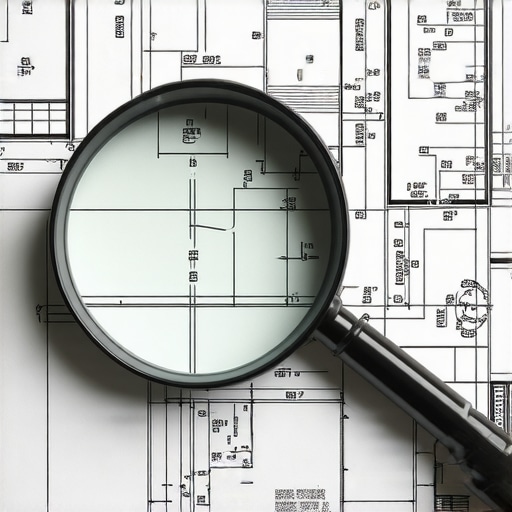
Start by examining the seal’s design, looking for inconsistencies such as blurred edges, mismatched fonts, or unusual colors. In a recent project, I received plans with a seal that appeared slightly off—blurry around the edges and using a font I hadn’t seen before. I pulled out a magnifier and compared it to a known valid seal, noticing discrepancies. This quick visual check saved us from a costly misstep.
Check the Seal’s Digital Signature (If Available)
If plans are digital, look for embedded digital signatures or metadata confirming they were generated by authorized software. I once reviewed a PDF plan where the digital signature was missing or invalid, raising suspicion. Verifying the digital signature can confirm whether the seal is legitimately applied or forged.
Confirm the Engineer’s Credentials
Contact the engineering firm directly using publicly available contact information. During a review, I called the firm listed on the plan and verified that the engineer’s name and license number matched their records. This step ensures the seal belongs to an authorized professional, preventing fraud.
Cross-Reference with a Known Sample
Compare the seal with genuine examples—many professionals have standard templates or are willing to share samples. In my experience, keeping a digital library of authentic seals aids quick verification. In one case, the seal’s font and layout differed slightly from our saved sample, indicating forgery.
Scrutinize the Signature and Manufacturer Details
Legitimate seals often include signatures, registration numbers, or embossments. Examine these carefully. I once encountered a seal missing a signature line that should have been present, signaling a red flag. Verify if the registration number matches official licensing authorities’ records.
Look for Anomalies in Placement and Context
Check if the seal’s placement makes sense—placed where it should be, like near the signature line. Discrepancies, such as a seal placed in an unusual location or multiple seals on a single page, can indicate forgery. I noticed a plan with an extra seal that seemed out of context, prompting further investigation.
Utilize Third-Party Verification Services
If uncertainty persists, use professional verification services or databases to authenticate seals and licenses. Although not always necessary, this approach adds an extra layer of confidence, especially for high-stakes projects.
Applying these steps consistently can significantly reduce the risk of accepting fraudulent seals. For comprehensive guidance on navigating local permit requirements, check out navigating permit requirements for additions or verifying project costs.
Many people believe that estimating costs and navigating permits for home additions or new builds is straightforward—just add up material prices, get a permit, and you’re done. However, this oversimplification often leads to costly surprises and overlooked nuances. Let’s dig deeper into what most get wrong and why understanding these subtleties can save you time and money.
One common myth is the idea that permit regulations are uniform across jurisdictions. In reality, local building codes and permit requirements vary significantly, and assuming they don’t can result in project delays or legal issues. For instance, some areas require detailed soil testing or specific foundation reinforcement, which many overlook during initial planning. For comprehensive guidance, check out understanding permit processes for success.
Another misconception revolves around estimating costs. Many rely on average per-square-foot rates, believing they capture the total expense. But these averages often exclude essential items like site preparation, utility upgrades, or weather contingencies. This oversight can cause budget overruns. To develop more accurate estimates, consult expert insights at estimating costs for new builds.
A critical nuance that many miss is the impact of soil conditions. Different soils demand different foundation designs, which can dramatically alter costs and construction timelines. For example, expansive clay soils require special footing designs, adding unanticipated expenses if ignored. Regular soil testing and consulting geotechnical specialists are vital steps often skipped. Learn more about this at soil testing tips.
From a permit perspective, a frequent oops is underestimating the importance of detailed documentation. Missing or vague plans can lead to permit denials or inspections failures, leading to project delays. Ensure your plans are thorough, adhering to local standards, and consider engaging a permit specialist early. For guidance, see permit approval tips.
Finally, advanced homeowners and professionals often overlook the importance of integrating these processes early in the project planning. Waiting until after bids are obtained or permits are submitted can be too late to adjust for technical or regulatory nuances. To avoid these pitfalls, stay proactive and informed.
Have you ever fallen into this trap? Let me know in the comments! Mastering these hidden nuances transforms your project from a financial and regulatory gamble into a smooth-success story.
Maintaining Quality Through Precise Tools and Routines
Ensuring your project remains on track over the long haul relies heavily on using the right equipment and establishing consistent maintenance protocols. I personally swear by a combination of high-grade laser levels and digital measurement tools, which not only speed up the setup process but also guarantee critical accuracy for dimensions—an aspect that can’t be compromised in complex builds. For instance, my preferred laser level, the Leica Trupoint, offers exceptional precision with minimal calibration needs, making adjustments straightforward and reducing cumulative errors.
Beyond hardware, investing in robust software solutions like Bluebeam Revu streamlines document management and markups, keeping communication clear among team members. This cloud-based platform ensures everyone works from the latest files, minimizing misinterpretations that could lead to costly rework. When it comes to long-term results, integrating regular equipment calibration into your routine is vital—it’s akin to periodically servicing your vehicle for optimal performance. This way, accuracy is maintained over months or even years of project execution.
The Future of Construction Tools and Practices
Looking ahead, I predict an increased reliance on automation and IoT-enabled devices to monitor construction site conditions continuously. Wearables that track worker safety and equipment status could become standard, providing real-time data that preempts issues before they escalate. Adopting these advanced tools early positions your projects for greater efficiency and safety, keeping you ahead of the curve.
How can I keep my tools functioning effectively over time?
Regular maintenance is your best friend here. That means scheduling routine calibration for measurement devices, cleaning and lubricating machinery after each use, and updating software to safeguard against vulnerabilities. Additionally, training your team to recognize early signs of equipment wear can prevent unexpected breakdowns. For example, I’ve seen how meticulous software updates and calibration checks, advised by manufacturers like Leica, ensure consistent accuracy—an approach I highly recommend following. Incorporating scheduled inspections into your project timeline guarantees your tools remain reliable, saving both time and money in the long run. Want to get a head start? Try establishing a weekly check-in routine for your primary equipment, making maintenance an integral, stress-free part of your workflow.
What I Wish I Had Known About Authenticity Early On
One of the most profound lessons I’ve learned is that even expert eyes can be fooled by subtle counterfeit seals. The importance of trusting your instincts and doing meticulous verification cannot be overstated. I once dismissed an irregular seal on a set of plans, only to find out later it was a forgery, leading to delays and added costs. This experience taught me that relying solely on visual cues isn’t enough—confirmation from the source is vital.
Another insight is the significance of cross-referencing digital signatures and metadata, which often contain hidden clues about a document’s legitimacy. Initially, I overlooked these digital markers, assuming their absence was a technical glitch rather than a sign of deceit. Now, I routinely verify such details, saving myself from potential headaches down the line.
Understanding the value of direct communication with licensing authorities transformed my approach. A quick call can often verify a seal’s authenticity far more reliably than visual inspection alone. This proactive step can prevent costly rework and ensure compliance from day one.
The Trusted Tools That Elevate My Practice
The real game-changer for me has been adopting ^Bluebeam Revu^ for document management. Its ability to embed and verify digital signatures gives me peace of mind when reviewing plans digitally. Additionally, I depend on the Leica Trupoint laser level for precise measurements—accuracy here directly affects both permit approval and overall safety.
Securing access to reputable industry databases, such as state licensing boards’ online portals, has become an indispensable part of my verification process. These sources offer official records that eliminate doubt and streamline the approval process.
Furthermore, I highly recommend the use of comprehensive soil testing services, especially in challenging sites. Knowing the soil conditions upfront informs both permit applications and structural decisions, preventing unforeseen costs and delays. My emphasis on quality tools and reliable data sources has transformed my workflow into a smoother, more confident operation.
Taking Charge of Your Building Journey
The path to successful projects doesn’t have to be shrouded in uncertainty. Embrace rigorous verification, leverage trusted tools, and stay proactive in communication. The time and effort invested in these practices pay off by avoiding setbacks and building your reputation for excellence.
If you’re ready to elevate your approach to permits, seals, and project confidence, start integrating these lessons today. Your future self will thank you for the extra diligence and commitment.
What’s the biggest revelation you’ve had about verifying plans or permits? Drop a comment—I love hearing your experiences and questions!
.