Why Your Site Plan Needs a Tree Protection Zone
It was a bright Saturday morning when I stood there, staring at my freshly cleared land, realizing I had forgotten one crucial thing—protecting the mature trees that shaded my backyard for years. That moment of clarity hit me hard; I’d botched the permit process because I underestimated the importance of a Tree Protection Zone (TPZ). Since then, I’ve learned firsthand that neglecting this step can turn a potentially smooth project into a costly, time-consuming headache. Are you currently facing a confusing site plan or grappling with permit delays? If so, you’re not alone, and I’ve got some insights that might just save you from my rookie mistake.
Don’t Overlook the Power of a Tree Protection Zone
When planning your site, it’s easy to focus on the big picture—layout, permits, and budget—while ignoring the quiet giants on your property. Trees influence your landscape’s health, your property’s value, and even your local ecosystem. Failing to designate a proper Tree Protection Zone during construction not only risks damaging those valuable assets but can also lead to permit rejections or legal issues. From my experience, this oversight can be an expensive lesson. I once rushed through a permit application, assuming that as long as I marked the boundary for construction, I was good. That mistake cost me valuable time and money because I didn’t clearly define or protect the tree roots near my project site. Trust me, it’s a mistake you want to avoid. Want to ensure smooth sailing for your project? Let’s explore how establishing a solid TPZ can be your best move.
Is Protecting Trees Overhyped? Here’s Why It’s Worth Your Time
Early in my development journey, I brushed off the importance of a Tree Protection Zone, thinking it was just a bureaucratic hoop. Turns out, that was a costly error. According to recent industry insights, properly maintaining a TPZ can significantly reduce the risk of root zone damage, which is vital for the tree’s health and your legal compliance. The local building codes often specify minimum distances and protective measures, and neglecting these can result in project delays or fines. My initial mistake was assuming that minor infringement wouldn’t be an issue—until I found out that some municipalities have strict enforcement, and damage to protected trees can halt your project entirely. If you’ve ever faced permit refusals or unforeseen costs, you’ll understand why this step is non-negotiable.
By now, I hope you’re curious about how to effectively incorporate a Tree Protection Zone into your site plan. It might feel overwhelming at first, but with the right knowledge, you can protect both your property’s natural beauty and your project’s timeline. Keep reading, and I’ll walk you through practical steps to make this part of your planning process straightforward and stress-free. And if you’re eager to get started immediately, I recommend checking out this comprehensive guide to permits for new builds, which emphasizes the importance of incorporating natural features during planning.
Assess Your Site and Identify Critical Trees
Begin by conducting a thorough site survey, mapping out the location of all mature trees, especially those with significant canopy coverage or ecological value. Use tools like a surveyor’s blueprints or a detailed site plan to mark their positions. During my recent project, I personally walked the site, noting down each tree’s species, trunk diameter, and health status. This helped me determine which trees required protection and the extent of the area to be preserved.
Determine Required Buffer and Set Buffer Boundaries
Consult local regulations or guidelines to establish the minimum distance you must keep from tree roots, typically outlined as a Tree Protection Zone (TPZ). For most mature trees, this boundary extends beyond the drip line to safeguard roots, trunk flare, and canopy roots. Use measuring tapes or laser distance tools to mark these zones accurately on the ground, aligning with government or arborist recommendations. In my case, I used stakes and chalk lines to define these zones clearly on-site.
Implement Physical Barriers and Signage
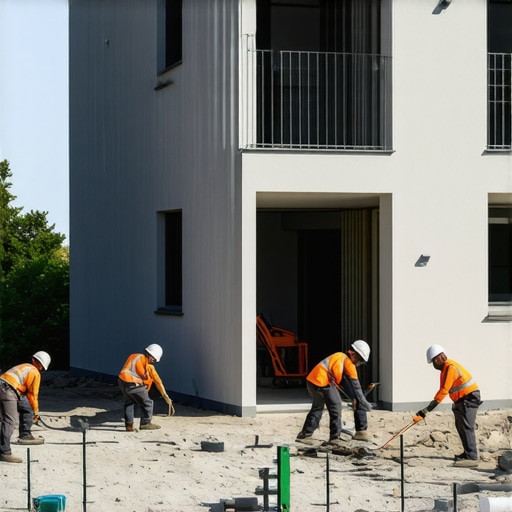
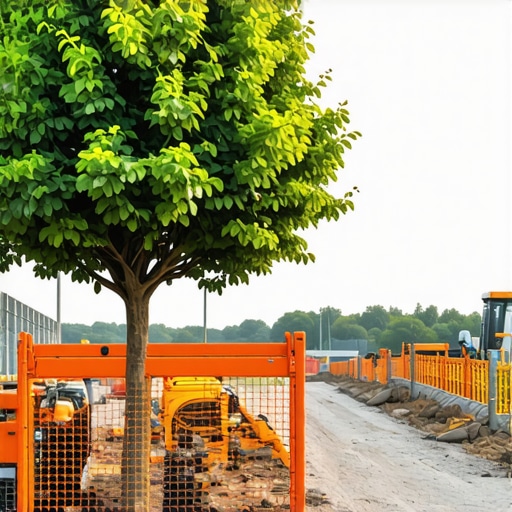
Create a visible and sturdy barrier around the TPZ to prevent construction machinery and foot traffic from encroaching. Use chain-link fences or sturdy wooden fencing, ensuring the barriers are fixed deeply into the ground and can withstand construction activity. Place clear signage indicating the zone as protected area and remind workers to avoid contact with roots or canopy. During my project, I learned that these barriers also served as visual cues for subcontractors, reducing accidental encroachments.
Communicate With Your Construction Team
Hold a pre-construction meeting, informing all contractors, workers, and inspectors about the protected trees and zones. Distribute plans highlighting the TPZ boundaries and emphasize the importance of respecting these areas. During my experience, I made sure to review this information daily, especially during excavation and foundation work, to prevent costly damages or permit violations. Regular reminders kept everyone vigilant, avoiding unintentional breaches.
Monitor and Adjust During Construction
Assign a responsible supervisor or arborist to monitor the TPZ throughout the project. Conduct periodic inspections to ensure barriers remain intact and no construction activities are happening within protected zones. If necessary, modify the construction schedule or methods to minimize root disturbance, such as using hand tools instead of heavy machinery within the zone. I encountered a situation where a buried utility line crossing near a protected tree required temporary rerouting—quick communication and flexible planning prevented disruption of the project and preserved the tree’s health.
Finalize Safeguarding and Restore Surrounding Areas
Once construction concludes, remove barriers carefully, avoiding damage to exposed roots, and implement soil aeration or mulching around the tree base to promote recovery. Document the condition of trees pre- and post-construction to ensure compliance and future reference. In my project, proper aftercare preserved the health and aesthetics of the trees, adding long-term value to the property.
Managing these steps systematically ensures your Trees stay protected during construction, helping you comply with permits and avoid costly disputes. Remember, clear communication and diligent monitoring are your best tools to safeguard natural assets effectively.
Many experienced builders and homeowners assume that permit processes and cost estimations are straightforward tasks, but in my experience, there’s a hidden layer of nuances that can trip up even seasoned professionals. One misconception I often encounter is the belief that quick, generic estimates suffice for complex projects. However, overlooking detailed site-specific factors—like existing underground utilities or nuanced local regulations—can lead to costly overruns. For example, many underestimate the impact of detailed permit requirements, which vary significantly between jurisdictions. Rushing through permit applications without thoroughly understanding or preparing documentation can cause delays and unexpected fees, as outlined in this guide.
A common myth is that permits are just a bureaucratic hurdle rather than a tool to streamline project success. In reality, a well-prepared permit application that addresses potential issues proactively can accelerate approval times and prevent expensive rework. Additionally, many underestimate how construction costs fluctuate based on small variables—soil conditions, material shortages, or unanticipated site constraints—all of which should be integrated into your estimates. Relying solely on national averages or rough sketches rarely leads to accurate budgets.
Now, a sophisticated question for project managers: How does one adjust estimates dynamically when encountering unforeseen site conditions, without blowing the budget? Advanced estimation techniques, such as contingency planning and layered costing, are vital. You might consider leveraging detailed cost models found in this resource to refine your forecasts.
Here’s the oops you want to avoid: neglecting these nuanced factors in the initial planning stage can lock your project into delays and financial pain. To navigate this, I recommend deep dives into local code requirements and engaging with experienced permit specialists early. This approach not only saves time but also ensures your estimates reflect real-world complexities. Have you ever fallen into this trap? Let me know in the comments!
Investing in Reliable Equipment and Software for Long-Term Success
Maintaining your construction projects over time requires the right set of tools and software tailored to your specific needs. Personally, I rely heavily on laser distance meters like the Leica Disto series because of their precision and speed, which save me hours during site measurements and boundary checks. Such tools help minimize errors that can compound over a project’s lifespan, ensuring that your initial plans stay accurate as your project progresses.
Complementing hardware, I use project management platforms like Buildertrend. It centralizes communication, schedules, and documentation, making it easier to monitor progress, track changes, and address issues before they escalate. This integration is vital because, over time, small miscommunication or overlooked details can lead to costly rework or delays.
Future Trends in Maintenance and Estimating
The future points toward automated site monitoring using drone technology and AI-powered data analysis. These innovations will enable real-time insights into structural integrity, material usage, and even environmental impact, reducing manual inspections. Embracing these advancements now will position your projects for efficiency and clarity in the long run.
How do I keep my tools and systems effective over time?
Regular calibration and updates are key. For instance, calibrate your laser tools annually to sustain measurement accuracy, especially after harsh weather conditions or heavy use. Likewise, software updates often patch bugs and improve compatibility, which is crucial for maintaining security and performance. Additionally, regularly training your team on new features ensures everyone exploits the tools to their fullest potential, preventing costly mistakes and keeping workflows smooth.
Finally, building relationships with vendors for ongoing support can help you troubleshoot issues promptly, avoiding downtime that affects your schedule or estimates. Consider subscribing to industry-specific newsletters, like these updates from Construction Edge, to stay ahead of technology trends and best practices.
Putting It into Practice
One practical tip I recommend is integrating cloud-based project management tools that sync data in real-time across devices. This ensures every team member is on the same page, and adjustments can be made swiftly, especially during complex permit applications or change orders. Try setting up a process where your team uploads progress photos and measurement data daily, keeping everyone informed and accountable.
To further streamline your long-term operations, I urge you to explore advancements like cost estimation software. These tools employ historical data and AI to refine your estimates, reducing surprises down the line.
In sum, investing in the right tools, maintaining their condition, and leveraging evolving technology are your best strategies for sustained project success. Building these habits will help you avoid costly errors and ensure your work stands the test of time. Are you ready to try a modern laser measurement device or cloud-based management system on your next project? Taking this step can significantly enhance your accuracy and efficiency, giving you a competitive edge in managing permit processes like new builds.
Overconfidence Can Cost You Big Time
One lesson I learned the hard way was believing that a quick site survey was enough, only to discover later that overlooked underground utilities and existing trees delayed my project and ballooned costs. It taught me that detailed inspections and thorough pre-planning are non-negotiable if you want to keep your permit and estimate accurate.
The Myth of One-Size-Fits-All Permits
I used to assume that permit requirements for additions or new builds are standardized, but every jurisdiction has its quirks. I found that understanding local nuances through credible sources like this guide saved me weeks of confusion and rework.
Small Details, Big Impact
Missing a simple soil test or misjudging the Tree Protection Zone can cause permits to be delayed or denied. I now make it a habit to double-check all site-specific variables and incorporate contingency plans early on, which ultimately saved me from costly setbacks.
Curating My Toolkit for Long-Term Success
Having the right tools makes all the difference. I trust laser distance meters like this resource because they provide quick, reliable measurements. Complemented with project management platforms such as Buildertrend, these tools have transformed my workflow, ensuring ongoing accuracy and efficiency.
Take Action Now—Your Property Depends on It
Each project is an opportunity to learn and refine your process. By avoiding common pitfalls like neglecting to establish a clear Tree Protection Zone or rushing permit applications, you’re paving the way for smoother builds and happier clients. Ready to implement these insights into your next project? Remember, proactive planning today leads to successful results tomorrow.