How to Verify the Purity of Your Fill Dirt Bid
Imagine you’ve just received a bid for your fill dirt, and it looks too good to be true. That little voice in your head whispers, “Is this really pure soil, or am I about to get a mix of debris and clay that will ruin my project?” I’ve been there, trusting estimates only to find out later that the dirt was loaded with hidden contaminants. It’s frustrating and costly, and I realized early on that I needed a reliable way to verify the quality of what I was paying for.
Why Verifying Fill Dirt Matters More Than You Think
Ensuring the purity of your fill dirt isn’t just about getting a good price; it’s about protecting your entire project. Contaminated or impure dirt can lead to drainage issues, structural instability, and even permit rejections. I once accepted a bid that claimed to be “clean fill,” only to discover that it contained significant amounts of clay and construction debris after delivery. The extra cost to replace it and fix the problems added hundreds to my budget. That was a lightbulb moment—the kind where you realize a little extra effort before purchase can save you from a mountain of trouble later.
Is Skepticism About Dirt Bids Worth the Hassle?
Initially, I thought, “How hard can it be? Just buy the dirt and move on.” But I made a critical mistake: I didn’t ask for proof or testing results, and I trusted the word of the supplier without verifying. As a result, I faced delays, added expenses, and a lot of headaches. It turns out that some suppliers might intentionally omit or hide issues to keep costs low and bids competitive. That experience taught me the importance of being proactive and thorough when verifying the quality of your fill dirt.
If you’ve ever wondered whether your dirt bid is truly reliable, stick around. I’m going to share practical steps backed by my own experience and some expert insights, so you can avoid my mistakes and rest assured your project materials are up to standard. And believe me, taking these measures is well worth the effort—your future self will thank you for not cutting corners on this crucial aspect of construction.
Ready to learn how to confidently verify your fill dirt? Let’s dive into the details so you won’t get caught off guard during your next project.
,
Start with a Clear Sample Collection Process
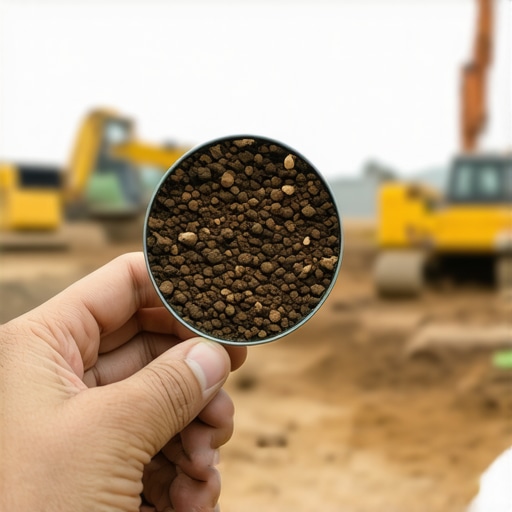
During my first major renovation, I learned the importance of collecting a representative sample before purchasing bulk fill dirt. I used a clean shovel to gather soil from multiple spots across the delivery site, ensuring the sample reflected the entire batch. Placing these in a sealed container, I labeled each with the source location for later comparison. This initial step prevents surprises and helps establish a baseline for your soil testing analysis.
Practice Getting Expert Soil Tests
Once I collected the samples, I hired a local geotechnical laboratory to perform comprehensive tests. The lab analyzed for contaminants, soil composition, compaction potential, and moisture content. While this may seem an added expense, it proved invaluable when the results confirmed the dirt was suitable, saving me from costly rework down the line. For accurate results, make sure the lab uses standardized testing procedures that align with local building codes.
Compare Test Results to Building & Permitting Standards
After receiving lab data, I cross-referenced the findings with the requirements outlined in permit and building standards. I checked that soil bearing capacities met foundation specifications and that no harmful substances were above permissible thresholds. This step ensures your dirt meets local regulations, avoiding permit rejections that could delay your project. Always verify the specific standards applicable to your locale and project scope.
Request Proof and Documentation From Suppliers
I learned that some suppliers are hesitant to share detailed testing reports unless explicitly requested. During negotiations, I asked for official lab reports and certificates of analysis directly from the supplier. If they can’t produce credible documentation, it’s safer to seek alternative sources. This diligence protects you from receiving contaminated or unsuitable soil, which could compromise your project’s longevity and safety.
Inspect Delivered Dirt On-Site Before Placement
Even after lab approval, I made it a point to visually inspect each load upon arrival. I looked for obvious signs of debris, clay clumps, or unusual odors that lab tests might not detect. If visible issues were present, I rejected the load immediately, saving myself future headaches. Remember, practical on-site inspections complement laboratory tests—they’re your last line of defense against poor quality material.
Document Every Step for Future Reference
Throughout the process, I kept detailed records: photos of samples, lab reports, supplier correspondence, and inspection notes. This documentation not only clarifies the source and quality of your fill dirt but also becomes crucial if disputes arise. Proper records streamline the permitting process and can significantly reduce delays caused by questions or challenges about soil quality.
Applying these concrete steps turned my tentative acceptance of soil into a well-informed decision. The upfront effort saved countless headaches—delays, added costs, and potential safety concerns—making my build smoother and more predictable. Remember, in construction, verifying soil quality isn’t just a precaution; it’s a foundation for lasting success.
 Many homeowners and even seasoned builders fall into the trap of oversimplifying the estimating process for new builds and additions, often because of widespread myths. One prevalent misconception is that accuracy isn’t critical—believing that rough estimates suffice in early planning stages. In reality, these initial figures can significantly influence project planning and budgeting, and small errors tend to compound as the construction progresses. For instance, underestimating site prep costs due to overlooked soil conditions can lead to costly overruns, a mistake I learned firsthand. To avoid this, rely on detailed, itemized estimates and consult expert resources like the comprehensive guides on estimating home additions.
Another myth is that permits are a mere formality—an accessory step once the design is finalized. This couldn’t be further from the truth. The permit process contains nuanced requirements that, if misunderstood, can cause significant delays. For example, many skip the critical step of reviewing understanding permit processes early on, which leads to surprises during inspections or even project halts. An advanced mistake many overlook is underestimating the cost and time associated with permit approvals, especially in jurisdictions with complex regulations. To streamline your project, it’s essential to familiarize yourself with local rules by consulting targeted resources like permits for new builds tips.
What most don’t realize is that the detailed nuances of soil testing, site constraints, and local codes can significantly impact your total budget and timeline. A common pitfall is not factoring in unexpected permit requirements, such as additional soil assessments or variances, which can delay approvals. According to construction expert insights, proactive planning around these aspects reduces surprises. Why settle for an estimate that’s just a ballpark? Instead, detailed pre-planning ensures your financing, permits, and execution phases stay aligned.
Would you like to learn how to better navigate these complex yet crucial elements? Dive into mastering new build estimating or navigate permit requirements confidently. Just remember: a thorough understanding not only saves costs but ensures your project stands on a solid foundation.
Have you ever fallen into this trap? Let me know in the comments.
Invest in Reliable Equipment and Software
Staying productive during construction or renovation hinges on the tools you choose. Personally, I rely on a digital laser level for precise measurements—it saves time and reduces errors during site layout, ensuring everything aligns perfectly without rework. For project management, I use software like Procore, which streamlines communication with contractors and tracks progress in real-time, helping me catch potential delays early. Having trusted, accurate tools isn’t just about efficiency; it’s about maintaining safety standards and quality throughout the build.
Establish Routine Maintenance Like a Pro
Regular inspection of equipment, such as checking the calibration of laser levels or ensuring power tools are in good working order, prevents unexpected breakdowns that can halt progress. I schedule weekly check-ins to clean tools, replace worn parts, and troubleshoot issues before they escalate. For larger machinery, I keep detailed maintenance logs, which not only extend the lifespan of your equipment but also serve as documentation for permits and inspections, demonstrating diligent adherence to safety requirements.
Prepare for Long-Term Results by Documenting Everything
Maintaining comprehensive records of your tools, maintenance, and project milestones sets the stage for future scalability. When planning additions or major renovations later, these records facilitate accurate estimates and streamline permit renewals. For instance, updated site drawings and equipment logs can make a difference when negotiating with inspectors or applying for new permits, like those discussed in understanding permit processes.
Scaling Up Call for Advanced Planning and Tools
As projects grow, so does the need for more sophisticated tools. Incorporating 3D modeling software, such as SketchUp or Revit, allows me to visualize additions or modifications before breaking ground, reducing costly errors. Additionally, remote monitoring systems can track equipment performance remotely, preventing downtime and enabling proactive maintenance. Planning for scaling involves assessing your current toolset and investing in technologies that improve accuracy, compliance, and efficiency over the long haul.
How Do I Keep Everything Working Over Time?
Maintaining your tools and equipment isn’t a one-and-done task. Schedule regular inspections, stay current with manufacturer updates, and train team members on proper use. For software, keep licenses up-to-date and back up project data frequently. The future of construction technology leans toward automation and cloud-based solutions, making ongoing maintenance even more critical. According to industry expert insights on efficient project management, a proactive approach prevents delays and costly breakdowns. Try setting a monthly maintenance checklist for your equipment and software—that small step can keep your project moving smoothly and prevent costly setbacks.
The Hardest Lesson I Learned About Estimating and Permits
One of my most impactful realizations was that even the smallest oversight in estimating or permit planning can snowball into significant delays and expenses. I once assumed that a quick bid for site preparation would suffice, only to discover later that hidden soil conditions required costly remediation and extra permit reviews. It taught me to never accept estimates at face value and to always dig deeper, understanding the details behind every quote.
Tools and Resources That Changed My Approach
Over time, I’ve curated a set of reliable tools that make estimating and permit navigation smoother. For instance, I trust the comprehensive guides on cost estimation because they combine expert insights with real-world examples. Additionally, using permit tracking software helps me stay ahead of deadlines, ensuring I don’t miss critical submissions that could delay approval. These resources have been game-changers in making my projects more predictable and less stressful.
Here’s What Truly Keeps Me Going in Construction
The emotional drive behind my work is knowing that thorough preparation — from soil testing to detailed permit research — directly correlates with project success. Building confidently despite complexities requires patience and an unwavering commitment to doing things right. If you’re feeling overwhelmed, remember that every step you take to verify soil quality, organize documents, and understand permit requirements builds a stronger foundation not just for the structure, but for your peace of mind. Take that first step today, and watch your confidence grow.
What’s Your Next Move to Master Estimating and Permits?
Have you encountered surprises with soil conditions or permit delays that set your project back? Share your experiences in the comments below. Your story might help someone else avoid the same pitfalls, transforming challenges into learning opportunities for all of us.